


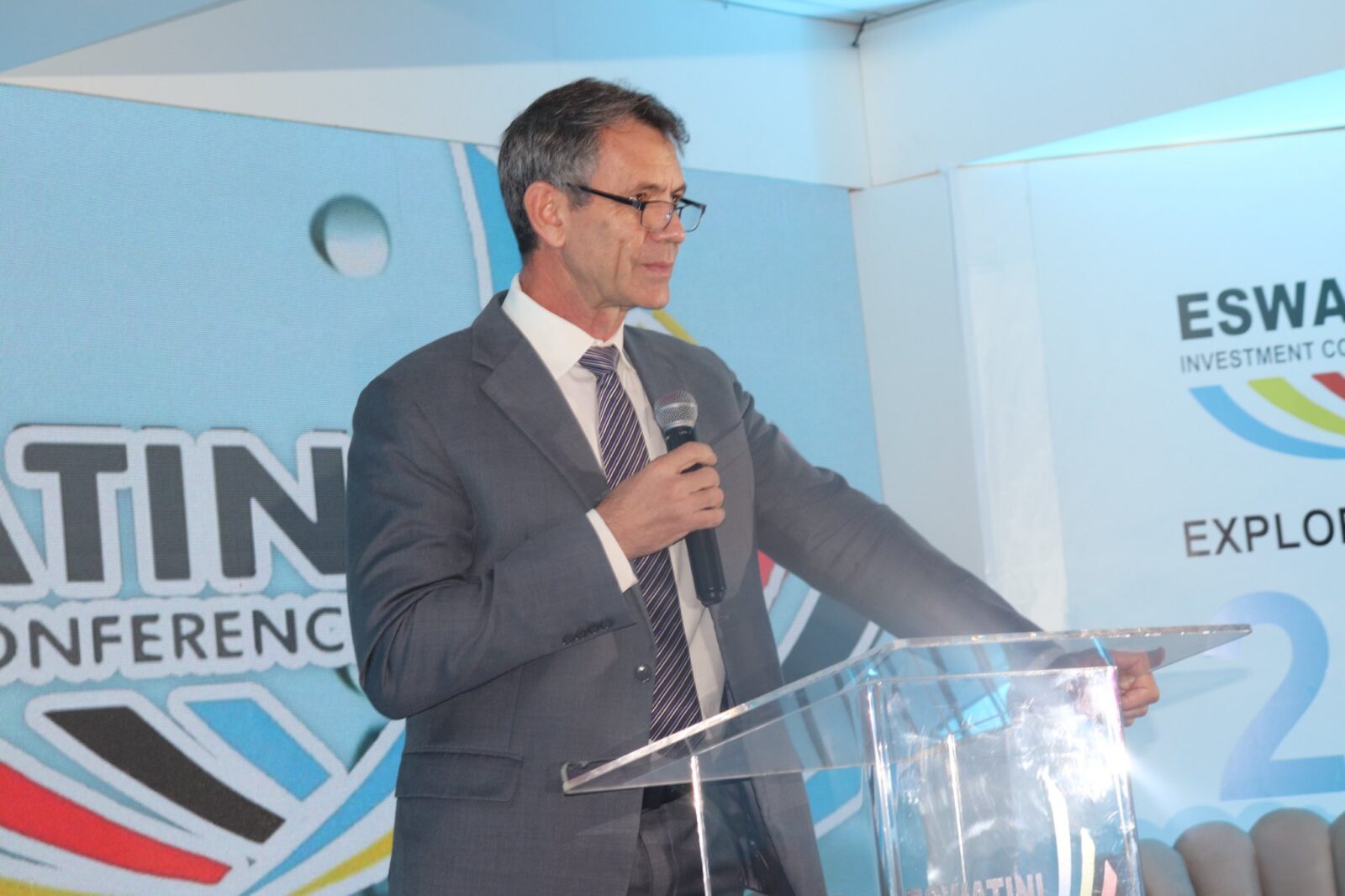
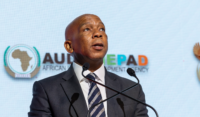
MBABANE – Minister of Finance Neal Rijkenberg has shared confidence in Eswatini’s economic direction, stating that the country is “truly open for business” as it makes strides to attract both local and international investment. He spoke during the Eswatini Investment Conference, reflecting on his 25-year entrepreneurial journey and the broader reforms driving economic transformation.
The minister, who grew his enterprise from a micro-level business to a large company within the country, pointed to structural and policy shifts now favouring the private sector. He cited a blend of fiscal discipline, pro-business taxation, and ongoing reforms as evidence of Eswatini’s readiness for serious investment.
A major move has been the reduction of corporate tax from 27.5% to 25%. Rijkenberg also noted that businesses operating under Development Approval Orders qualify for a 10% tax rate, while those within Special Economic Zones (SEZs) enjoy a 0% tax rate — a setup designed to make Eswatini competitive within the region.
Government spending has also seen a shift, with a 14.4% increase in the capital budget as part of efforts to prioritize infrastructure over consumption. This reallocation, the minister explained, is expected to stimulate long-term economic development.
On sustainability, the finance ministry reported that Eswatini’s fiscal deficit has narrowed significantly — from 7.5% to just 2%. Debt levels remain low, with the country on course to fully clear its IMF obligations by year-end. At present, the debt-to-GDP ratio stands at approximately 40%, one of the lowest in Southern Africa.
Efforts to improve the ease of doing business are ongoing. Among the new measures are the introduction of digital systems for visa and permit applications, aimed at streamlining entry for foreign investors and skilled labour.
Rijkenberg also referred to the country’s political environment as a stabilising factor, crediting the Tinkhundla governance system for its predictability and long-term consistency, which he described as “highly democratic and incredibly effective.”





Leave a comment