


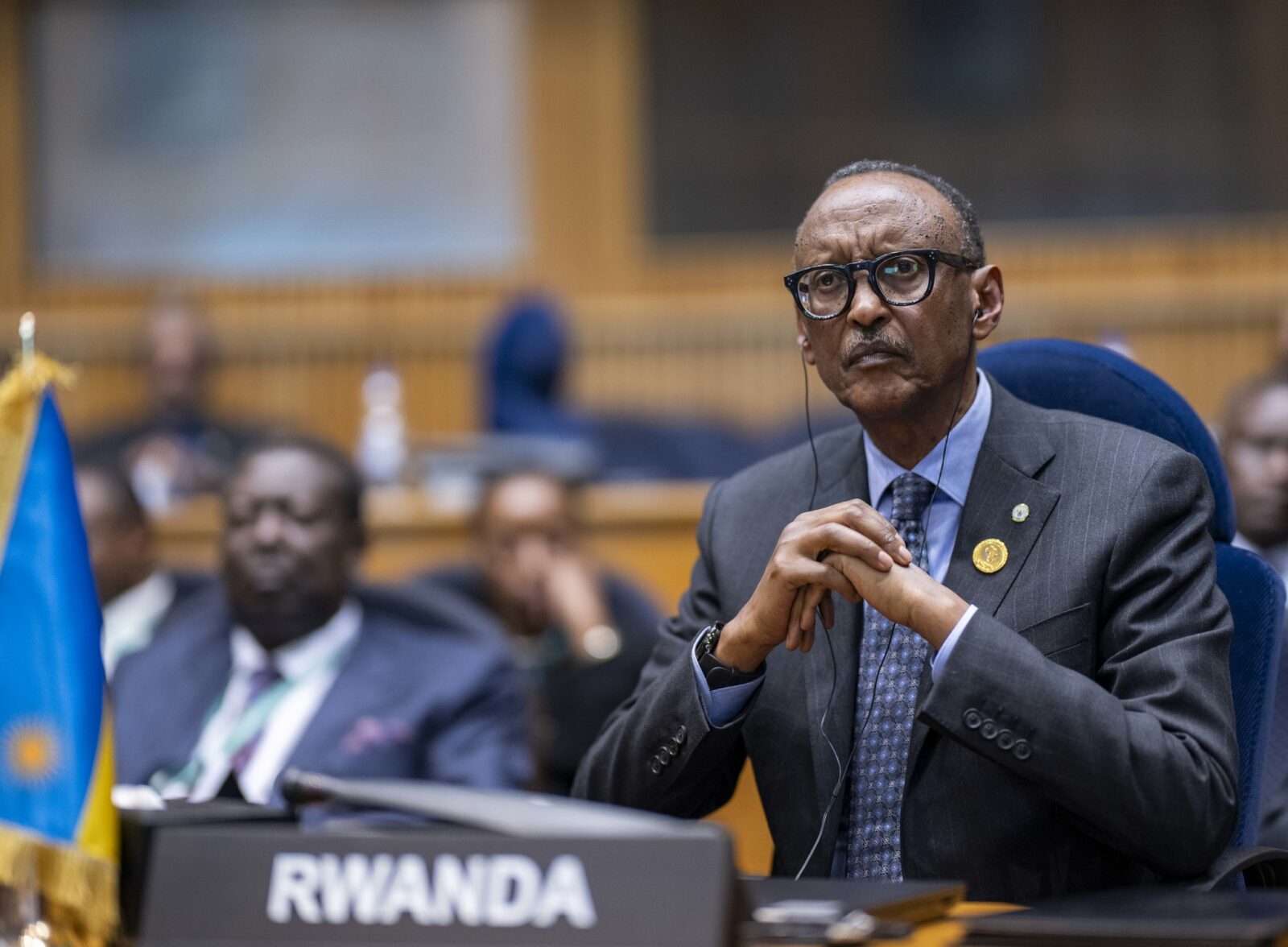
Rwandan President Paul Kagame has attributed the country’s approach to environmental cleanliness to collective responsibility, public participation and a decision to tackle the challenge using local resources rather than relying on foreign aid.
Speaking in a video explaining how the initiative began, Kagame said Rwanda chose to take responsibility for keeping its surroundings clean, regardless of its economic circumstances.
“We ask ourselves, does the country need foreign aid to to keep itself clean? We say do not. We can actually clean it up ourselves irrespective of our economic status. And that’s how it started,” he said.
Kagame acknowledged that the early stages of the initiative were difficult, with some people questioning why they were expected to participate in cleaning activities. However, he said the government continued with the effort despite the initial resistance.
The president also took part in the cleaning activities himself, a move he believes helped encourage other citizens to join.
“And uh uh uh uh uh even I made sure I I would show up myself to do some cleaning. And maybe some people said, well, but if the president can go there, well, maybe why not me? So they started to coming,” he said.
According to Kagame, public participation grew as people began to recognise the benefits of maintaining a clean environment, particularly for those living in the communities where the activities took place.
“And then uh later on they saw the benefits because if if the environment is clean, it’s uh to benefit benefits those who live in that environment. So one thing led to another and so on and so forth. Uh So it’s just because we decided to do it and anybody can decide to do it, anybody can achieve it,” he said.
His remarks point to Rwanda’s approach as an example of how government leadership and citizen involvement can contribute to environmental management without making foreign financial assistance a prerequisite.
Kagame also linked the country’s cleanliness drive to Rwanda’s wider efforts to establish a distinct international identity despite its relatively small size.
He said Rwanda needed to pursue initiatives that would make the country visible to the rest of the world, particularly in areas where its achievements could shape how it is perceived internationally.
“So it’s one of the things and it look as a country, as a small country like Rwanda, you know, again it’s our discussion, we keep telling you having it as a discussion among ourselves.
“The the the we have uh a bigger task for people to notice and and be associated with us. You see what that mean? So we try to do something that will be visible and and by that we shall be visible as well,” he said.
The president noted that larger countries often attract international attention because of their size and resources, while smaller nations may struggle to gain the same recognition.
He argued that negative perceptions could further undermine a small country’s ability to attract international engagement, using corruption as an example.
“There are people who don’t have to go through that to be visible because of what they have, because of their size, because of the So, but it’s like even let’s say in the concept of fighting corruption. If Rwanda, a small country like ours, is known for corruption, who will come to you?
“They even ignore you. They not notice this small country that is corrupt. They look the other way and go somewhere else. You don’t represent anything to them,” he said.
Kagame said Rwanda therefore had to guard against problems that could damage its reputation and divert attention from its development ambitions.
“So we make sure that oh, let’s let’s avoid this thing that will take our attention away from us because of of how negative it is. Yes.
“So we we we cannot afford to be known for corruption because it will destroy us,” he said.




Leave a comment