


Pretoria – South Africa’s Department of Land Reform and Rural Development has committed R500 million in grant funding to expand access to affordable agricultural finance for emerging and developing farmers through a new agreement with the Land and Agricultural Development Bank of South Africa (Land Bank).
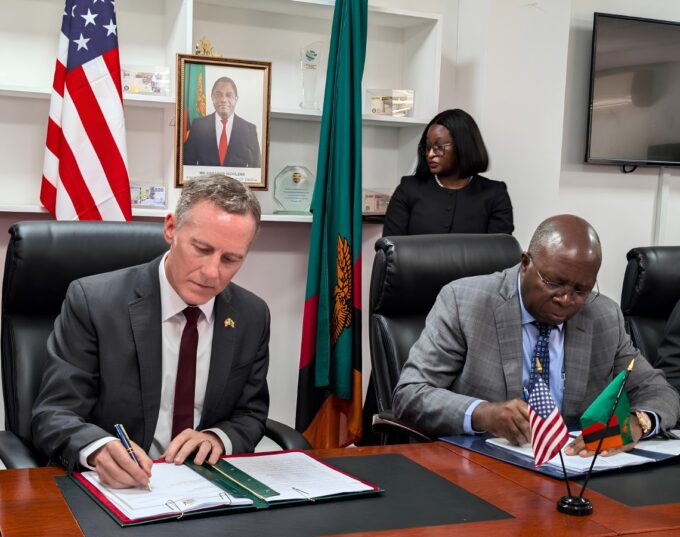
The department and Land Bank have signed a Memorandum of Agreement (MoA) to strengthen the bank’s Blended Finance Scheme (BFS), which combines loans with non repayable grants to help qualifying farmers establish, grow and sustain their agricultural businesses.
The funding will cover the remainder of the 2026/27 financial year and will be combined with Land Bank loans to provide more accessible financing for eligible farmers and agricultural enterprises.
The contribution from the Department of Land Reform and Rural Development (DLRRD) builds on the existing support provided by the Department of Agriculture, which has played a key role in financing and implementing the scheme.
The expanded government partnership is intended to advance agricultural transformation, support land reform beneficiaries and enable historically disadvantaged producers to participate more fully in South Africa’s mainstream agricultural economy.
The Blended Finance Scheme addresses one of the major obstacles confronting emerging and new entrant farmers: the high cost and limited availability of suitable financing. By combining bank loans with grant funding, the initiative reduces the amount beneficiaries need to repay, allowing them to invest in productive assets, expand their operations and strengthen their participation in agricultural value chains.
By the end of the 2025/26 financial year, approximately 540 clients and beneficiaries had received support through the scheme, demonstrating the demand for affordable financing among historically disadvantaged agricultural producers.
However, applications have exceeded the grant funding available, forcing Land Bank to temporarily suspend the acceptance and consideration of new applications for the remainder of the 2026/27 financial year while prioritising existing commitments.
The additional R500 million is expected to strengthen the scheme’s financial resources and help address funding pressures created by the growing demand for agricultural finance.
Land Bank, the Department of Agriculture and the Department of Land Reform and Rural Development will continue working together to maximise the impact of available funding and expand sustainable access to finance for eligible farmers.
Land Bank Acting Chief Executive Officer Jabu Mphambo welcomed the agreement, describing cooperation between government and development finance institutions as essential to overcoming structural barriers to agricultural development.
“Access to affordable and appropriate finance remains an important enabler of agricultural transformation. We welcome DLRRD’s support and partnership in the Blended Finance, which builds on the important support already provided by the Department of Agriculture and strengthens our collective ability to respond to the significant demand for developmental agricultural finance. Through partnerships of this nature, we can leverage the respective capabilities and resources of the government and Land Bank to support sustainable agricultural enterprises that can grow, create employment, strengthen rural economies and contribute to food security.”
Minister of Land Reform and Rural Development Mzwanele Nyhontso also welcomed the signing of the agreement, saying it represented progress towards ensuring that beneficiaries of land reform receive the financial support needed to make productive use of their land.
“Land Reform cannot succeed on the transfer of land alone. Farmers who receive land must also have the means to work it productively, and for too many emerging and developing farmers the cost of finance has stood between them and a viable agricultural enterprise. This partnership with Land Bank directs public resources to close that gap. By combining grant funding with Land Bank lending, we are lowering the barrier to entry for historically disadvantaged producers and giving them a fair opportunity to participate meaningfully in the mainstream agricultural economy”, said the Minister.








Leave a comment