


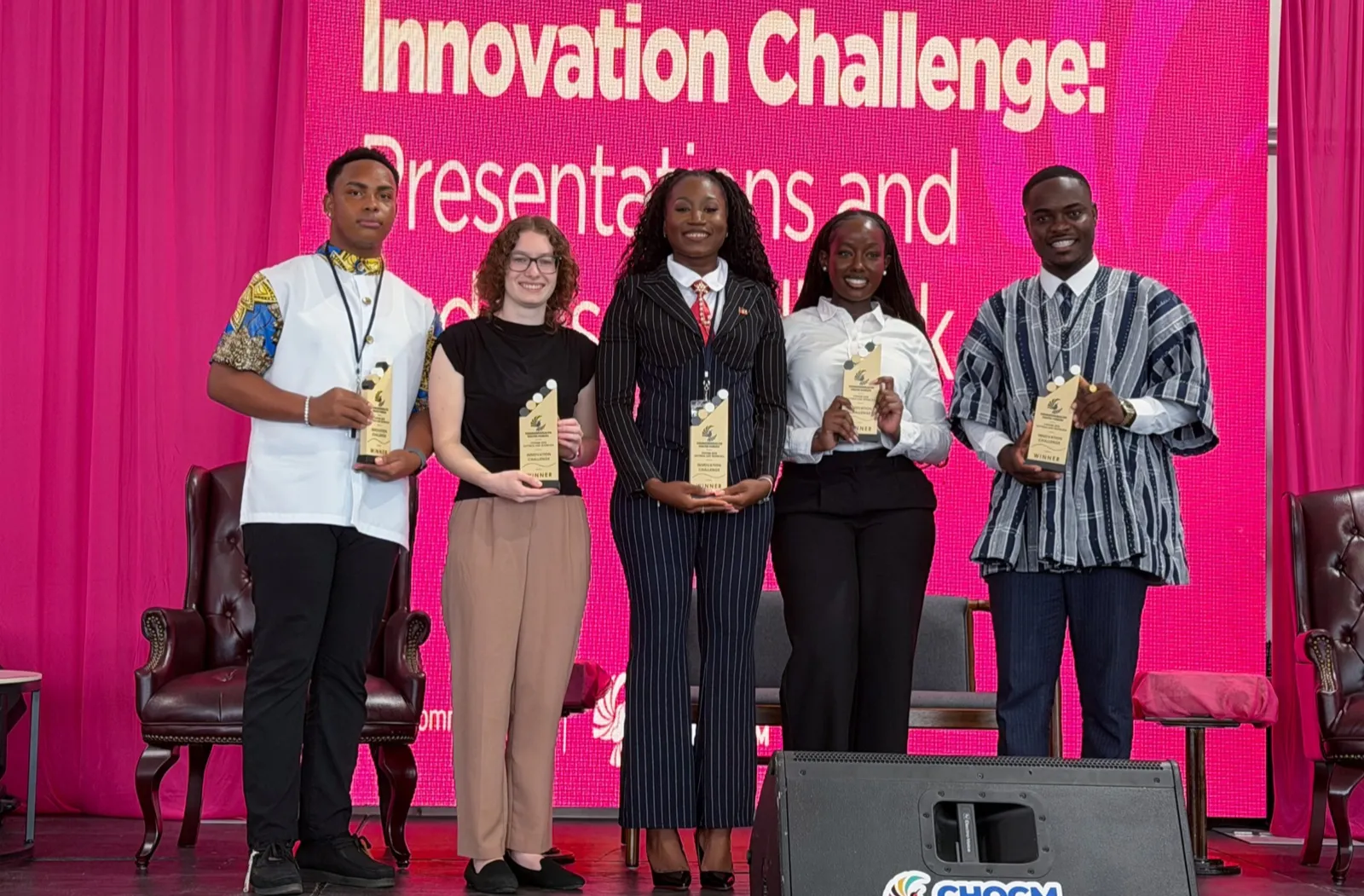
ST JOHN’S, Antigua and Barbuda, 4 November 2026 – More than 300 young leaders from across the Commonwealth have called for greater youth participation in decision-making, improved access to decent employment, stronger climate action and increased investment in young people’s initiatives as the 2026 Commonwealth Youth Forum concluded.
The two-day deliberations produced the 14th Commonwealth Youth Policy Document, which sets out priorities for consideration by Commonwealth Heads of Government and provides a framework for continued youth advocacy and accountability across the organisation’s 56 member countries.
The recommendations were presented as part of the wider Commonwealth Heads of Government Meeting (CHOGM) programme in Antigua and Barbuda, bringing together young representatives from the five Commonwealth regions.
The policy document calls on governments and institutions to give young people meaningful positions in decision-making processes, protect civic participation and publicly demonstrate how their recommendations influence policies and programmes.
On employment, delegates urged governments to better connect education and training with paid, safe and decent work. They also called for fairer opportunities for young entrepreneurs to access financing, establish businesses and develop sustainable livelihoods.
Climate change featured prominently, with participants seeking greater youth involvement in environmental policymaking and stronger support for locally driven adaptation initiatives.
The recommendations also address access to mental health services and other essential healthcare, particularly for young people from underrepresented communities who continue to face barriers to accessing support.
Digital inclusion was another major priority, with delegates calling for wider access to technology, improved digital skills, responsible innovation and stronger protections for privacy, personal rights and online safety.
Young people demand greater influence
The policy document emerged from a participatory process that began with pre-consultations before the proposals were examined and refined through plenary discussions and workshops.
The process was designed to incorporate perspectives from all five Commonwealth regions while ensuring that the recommendations reflected the everyday experiences and challenges facing young people.
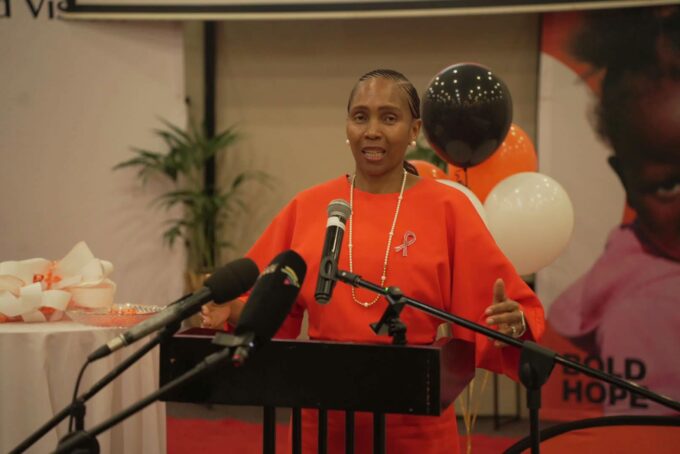
Commonwealth Deputy Secretary-General Tania Baumann said the young delegates had presented a strong vision of the changes they wanted to see across the organisation.
Addressing participants at the closing ceremony, she said:
“Together, you have developed a powerful set of recommendations that speak directly to the Commonwealth’s future. And be in no doubt: we have heard you. Your outcome document will inform CHOGM discussions and ensure that Heads of Government know what young people across the Commonwealth want. The Commonwealth Secretariat will also carry your recommendations into our own work.
“I thank the Government and people of Antigua and Barbuda for their warm hospitality and for hosting the Commonwealth Youth Forum alongside CHOGM.”
One of the central messages emerging from the discussions was that young people should not be brought into policy conversations only after governments and institutions have already determined their priorities.
Delegates argued that youth participation must extend beyond consultation to include involvement in designing policies, implementing programmes and monitoring institutional performance.
National youth delegates described youth agency as more than simply having an opportunity to express opinions.
For them, it means “having the power, resources, knowledge and platforms to shape decisions, test solutions and lead change.”
Other participants called on institutions to move away from occasional or symbolic youth consultations towards sustained participation and shared leadership.
Youth organisations and innovators also raised concerns about access to funding, calling for flexible and predictable financial support that would enable their initiatives to grow beyond short-term projects.
They argued that investment should extend to strengthening organisational structures, improving governance and helping promising youth-led ideas develop into sustainable institutions.
Universities urged to expand opportunities
Prof. Colin Riordan, Secretary-General and Chief Executive of the Association of Commonwealth Universities, said financial difficulties, geographical barriers and personal circumstances continued to prevent many young people from accessing education.
He said:
“Too many young people are still held back from education by cost, distance or circumstance. The ambition shown at this Forum is a reminder of what is possible when that potential is unlocked. Universities have a vital role to play – widening access, building skills and creating pathways for young people to turn their ideas into lasting change.”
Riordan pointed to the role universities can play in expanding educational opportunities, equipping young people with relevant skills and supporting their transition from learning into meaningful contributions to society.
Culture and innovation mark closing ceremony
The closing ceremony brought together cultural performances, youth creativity and recognition of innovation, reflecting the diversity of the Commonwealth’s five regions.
Antigua and Barbuda’s musical traditions featured prominently, with young musician Annia Mathews opening the performances with a guitar rendition celebrating hope, resilience and the voice of young people across the Commonwealth.
The ceremony also recognised winners of the Innovation Skills Challenge, which featured six categories: technology, finance, advocacy, entrepreneurship, the creative economy, and education and power.
Each winner received an environmentally friendly trophy designed by Stanley Anigbogu, the 2025 Commonwealth Young Person of the Year, in recognition of youth creativity and innovation.
The awards formed part of the Forum’s broader efforts to recognise young people developing practical solutions to challenges affecting their communities.
Building on five decades of youth development
The 2026 Commonwealth Youth Forum was organised through a partnership involving the Government of Antigua and Barbuda, the Commonwealth Secretariat, the Commonwealth Youth Council and the International Taskforce of young leaders.
The gathering builds on more than 50 years of Commonwealth engagement with young people through the Commonwealth Youth Programme.
Its newly endorsed Strategic Framework 2026–2030 provides a foundation for expanding the impact of youth development initiatives and integrating leadership, participation and youth empowerment into the Commonwealth Secretariat’s strategic priorities.
The recommendations from the 14th Youth Policy Document are expected to inform discussions among Commonwealth leaders during the 2026 CHOGM, giving governments a set of priorities developed directly by young people from across the organisation.







Leave a comment