


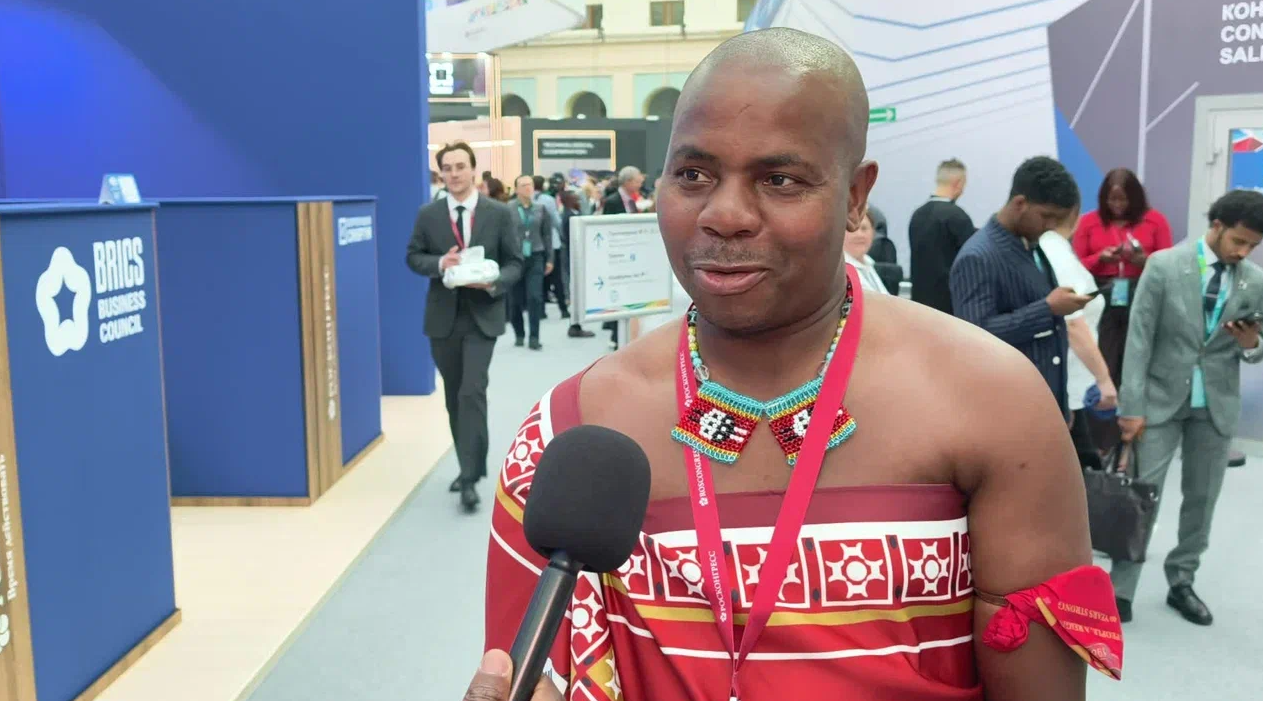
MOSCOW, Russia: Eswatini is looking to strengthen its tourism ties with Russia, with the southern African kingdom identifying the Russian market as a potential source of visitors and new opportunities for cooperation.
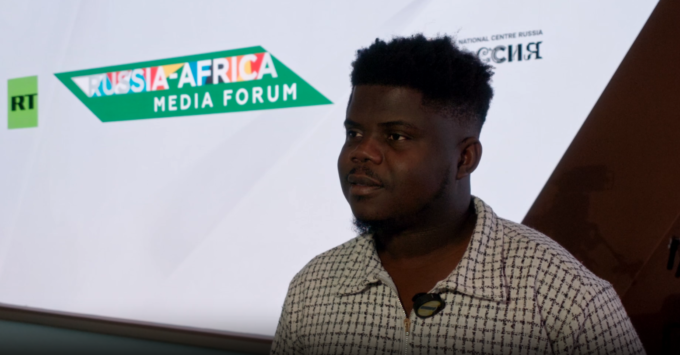
Vusie Dlamini of the Eswatini Tourism Authority made the remarks during an interview with Adekunle Owolabi of The African Daily at Gostiny Dvor in Moscow, on the sidelines of the Russia Africa Summit.
Dlamini, who was visiting Russia for the first time, described his participation in the gathering as an exciting experience, saying the visit had already provided opportunities to engage with several organisations and explore areas of mutual interest.
“It’s an exciting one for me. Personally it’s first time to Russia. But also it’s exciting for Eswatini’s tourism sector. We’ve had a few meetings with a few entities. I think Russia becomes a potential market for us from a tourism point of view,” he said.
He said Eswatini saw considerable scope for attracting Russian visitors to the kingdom, adding that the country had much to offer travellers seeking natural attractions, cultural experiences and a peaceful holiday destination.
“We do believe there’s quite a lot that we can do in Russia, particularly to attract people to come to the kingdom,” Dlamini said.
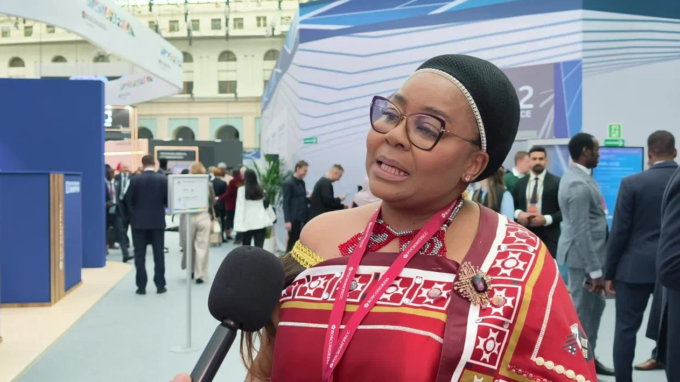
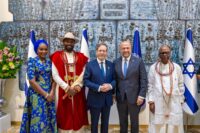
During the interview, Dlamini also drew attention to his traditional attire, which attracted interest at the summit.
Explaining the clothing, he said it was traditional male attire in Eswatini and shared similarities with garments worn by women in the kingdom.
He also pointed to the animal skin worn underneath, explaining that the leopard skin was traditionally associated with royalty.
“Ordinarily, it’s worn by royalty. I’m not saying that I’m royalty, but it’s worn by royalty. I’m just a Dlamini,” he said.
Asked to identify five reasons international visitors should consider travelling to Eswatini, Dlamini outlined the country’s natural environment, scenic beauty, cultural heritage, hospitality and peaceful atmosphere.
He said Eswatini’s relatively untouched natural environment remained one of its strongest tourism attractions, with the country retaining much of its natural character and landscapes.
“I think first of all it’s the fact that we are still a pristine country, very pristine naturally pristine. Our nature is still there, it’s not destroyed,” he said.
According to Dlamini, visitors travel to the kingdom to experience its scenery and natural beauty, alongside its cultural traditions, which have been preserved across generations.
He said Eswatini’s cultural heritage offered international tourists an opportunity to experience traditions that have remained an important part of national identity.
The country’s cultural calendar also provides opportunities for visitors to engage with local communities and witness traditional ceremonies and celebrations.
Dlamini mentioned the Reed Dance, known locally as Umhlanga, as one of the major cultural events attracting interest, alongside the Incwala ceremony, which he described as a sacred traditional occasion.
He also cited the MTN Bushfire Festival as another important event that brings people together through music and cultural expression while showcasing different aspects of Eswatini’s identity.
Beyond its natural and cultural attractions, Dlamini said the warmth and friendliness of emaSwati remained a significant reason for visiting the country.
He described the population as welcoming and helpful, noting that visitors could expect assistance from local people when navigating the relatively small kingdom.
“Our people are generally very, very warm people. Are welcoming and very friendly. You will never get lost. Small country. But obviously if you happen to be lost, a person can actually be able to take you from one place to another without you necessarily being hurt,” he said.
Dlamini further identified peace and tranquillity as another important selling point, describing Eswatini as a peaceful destination where visitors could enjoy a relaxed atmosphere.
“Lastly, it’s because of our peace and tranquillity that I think we can 150% guarantee we are a very peaceful country,” he said.
The interview also provided an opportunity to hear Dlamini’s impressions of Russia, particularly Moscow, as he reflected on his first visit to the country.
He said he had been impressed by the friendliness of Russian people, despite occasional communication difficulties arising from language differences.
Dlamini explained that he sometimes preferred walking around unfamiliar cities to experience everyday life rather than relying entirely on transport. During his stay in Moscow, he occasionally found himself lost while trying to locate his hotel.
However, he said the residents he encountered were willing to assist him, particularly those who could communicate in English.
“I honestly have noted how friendly Russians are as well. I think I got lost a bit in the city sometimes looking for my hotel because I prefer to walk sometimes to experience the real life of a city when I’m coming in for the first time,” he said.
“Though they struggled with English, the ones that I found that would understand English, they actually were able to take me from place to place. So, which I think was really, really amazing.”
For Dlamini, the experience in Moscow extended beyond tourism promotion and cultural exchanges, providing an opportunity to identify areas where Eswatini and Russia could develop stronger partnerships.
He said the country was returning home with a positive impression of the Russian people and a greater appreciation of the possibilities for cooperation between the two countries, particularly within the tourism industry.
“But I think for me what I’m taking away here is that there’s lots of opportunities that we can explore with Russia from a tourism point of view,” he said.








Leave a comment