


MBABANE, Eswatini, 4 November 2026 – Eswatini is considering changes to its immigration framework that could create new pathways to permanent residence for foreign investors and individuals with specialised skills, as the government moves to address gaps in the country’s existing immigration system.
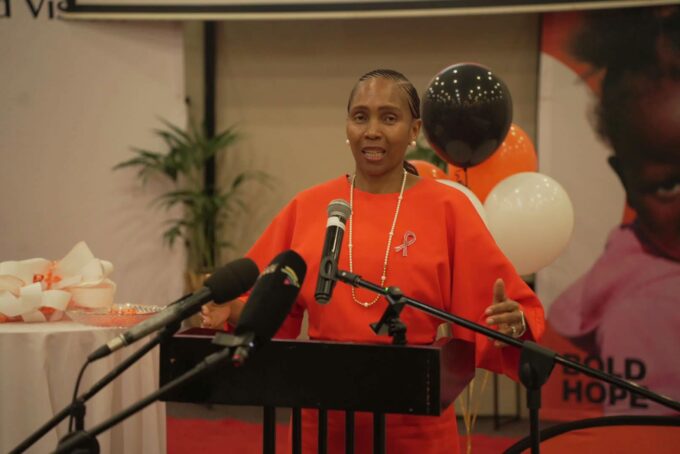
The proposed reforms are contained in the Immigration Bill, which Acting Minister of Home Affairs Senator Pholile Dlamini Shakantu wants expedited to provide clearer procedures for people seeking long-term residence in the Kingdom.
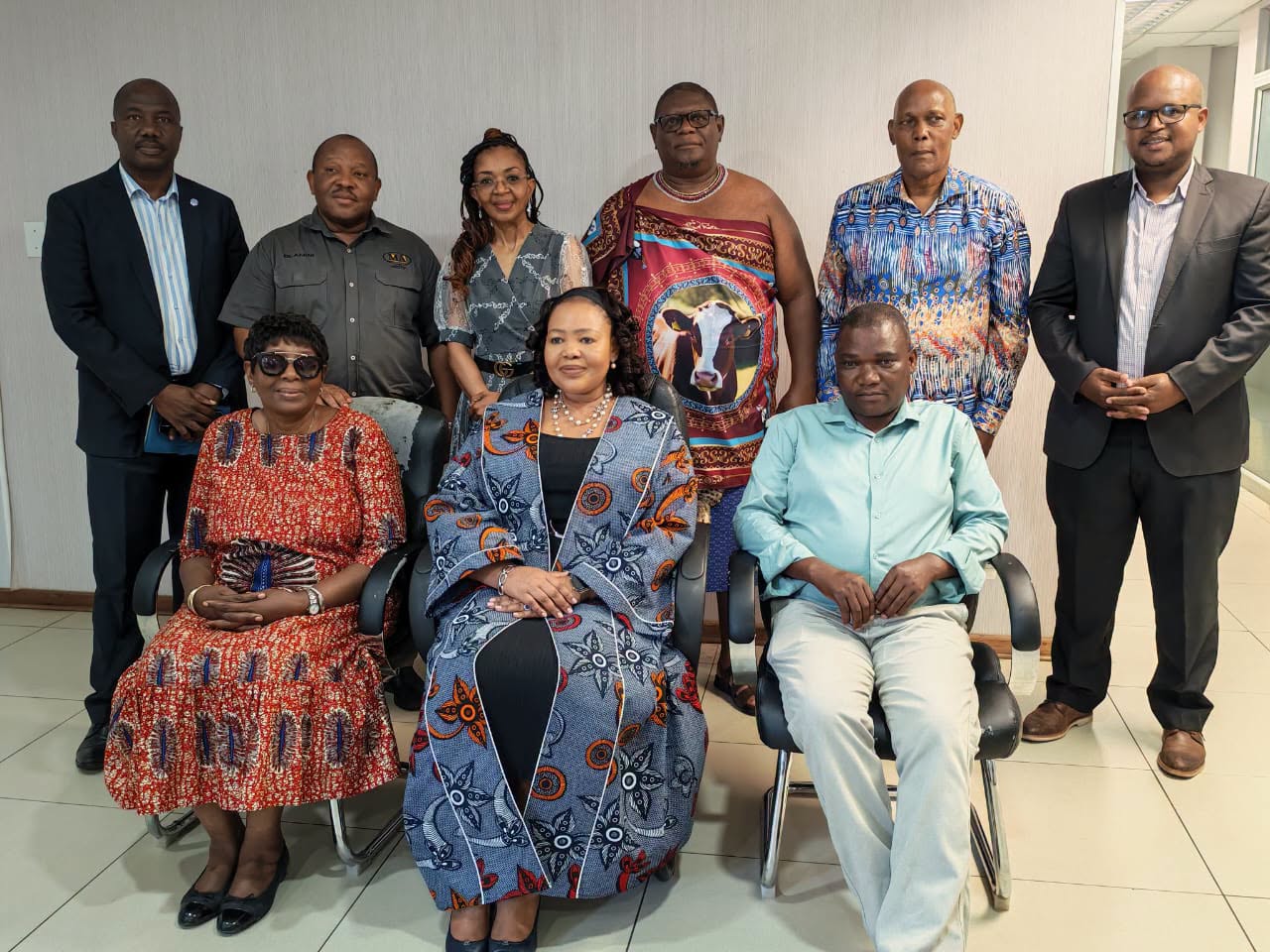
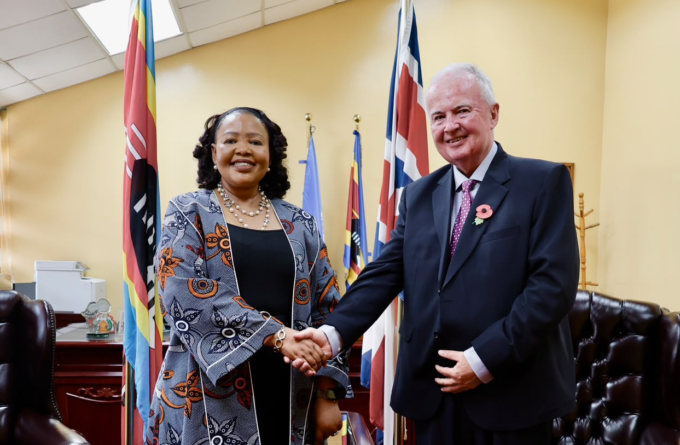
Shakantu met members of the Citizenship Board at the Ministry of Home Affairs headquarters in Mbabane on Wednesday, where discussions focused on the Board’s responsibilities, citizenship applications and the proposed changes to immigration legislation.
During the engagement, the Acting Minister encouraged the Board to continue carrying out its mandate with integrity, diligence and commitment to the interests of Eswatini.
A major issue raised was the introduction of a permanent residence visa and a separate permanent residence by investment visa, also referred to as an Investor Visa.
Under the proposed arrangements, applicants seeking permanent residence would, among other requirements, need to demonstrate that they have met and exceeded a specified investment threshold in Eswatini.
The proposed Investor Visa would establish a dedicated route for qualifying foreign nationals who wish to settle permanently in the country while making investments that contribute to economic development.
Shakantu noted that several countries have introduced permanent residence by investment programmes as alternatives to citizenship. Such arrangements allow foreign nationals to establish long-term residency and participate in economic activities without necessarily having to acquire citizenship.
The distinction is particularly relevant for investors and professionals who want to build lasting business and economic interests in a country but may not require or qualify for nationality.
Citizenship applications and economic contribution
Members of the Citizenship Board used the meeting to outline the considerations guiding their assessment of citizenship applications.
Among the factors they identified were applicants’ investment footprints, their contributions to the national economy and their professional involvement in Eswatini.
The Board also pointed to the importance of attracting people with scarce and specialised skills that are needed to support the country’s development priorities.
According to the Ministry of Home Affairs, the Board observed that a considerable number of people currently applying for citizenship could potentially be accommodated through a dedicated permanent residence arrangement.
This would allow Eswatini to maintain a clearer distinction between permanent residency and citizenship while providing appropriate recognition to foreign investors and individuals whose expertise contributes to the country.
The proposed Immigration Bill is expected to address shortcomings in the existing framework by creating more structured routes through which foreign nationals can progress from temporary residence to permanent residence and, where applicable, citizenship.
The reforms are intended to improve immigration administration and ensure that applicants are assessed under categories that reflect their circumstances, contributions and eligibility.
Shakantu assured the Citizenship Board that the concerns raised during the meeting would be taken into account as the proposed legislation is developed.
She also called on members to continue processing citizenship applications fairly and transparently, stressing the need for integrity and consistency in their decisions.
Citizenship Board membership
The Citizenship Board is chaired by Ms Fikile Dlamini and includes HRH Princess Msindvose, Chief Ngangaza Dlamini, Vusi Tfwala, Pastor Griffiths Dlamini, Muzi Dlamini and Lungile Nxumalo.
Mthokozisi Dlamini serves as an ex-officio member.







Leave a comment