


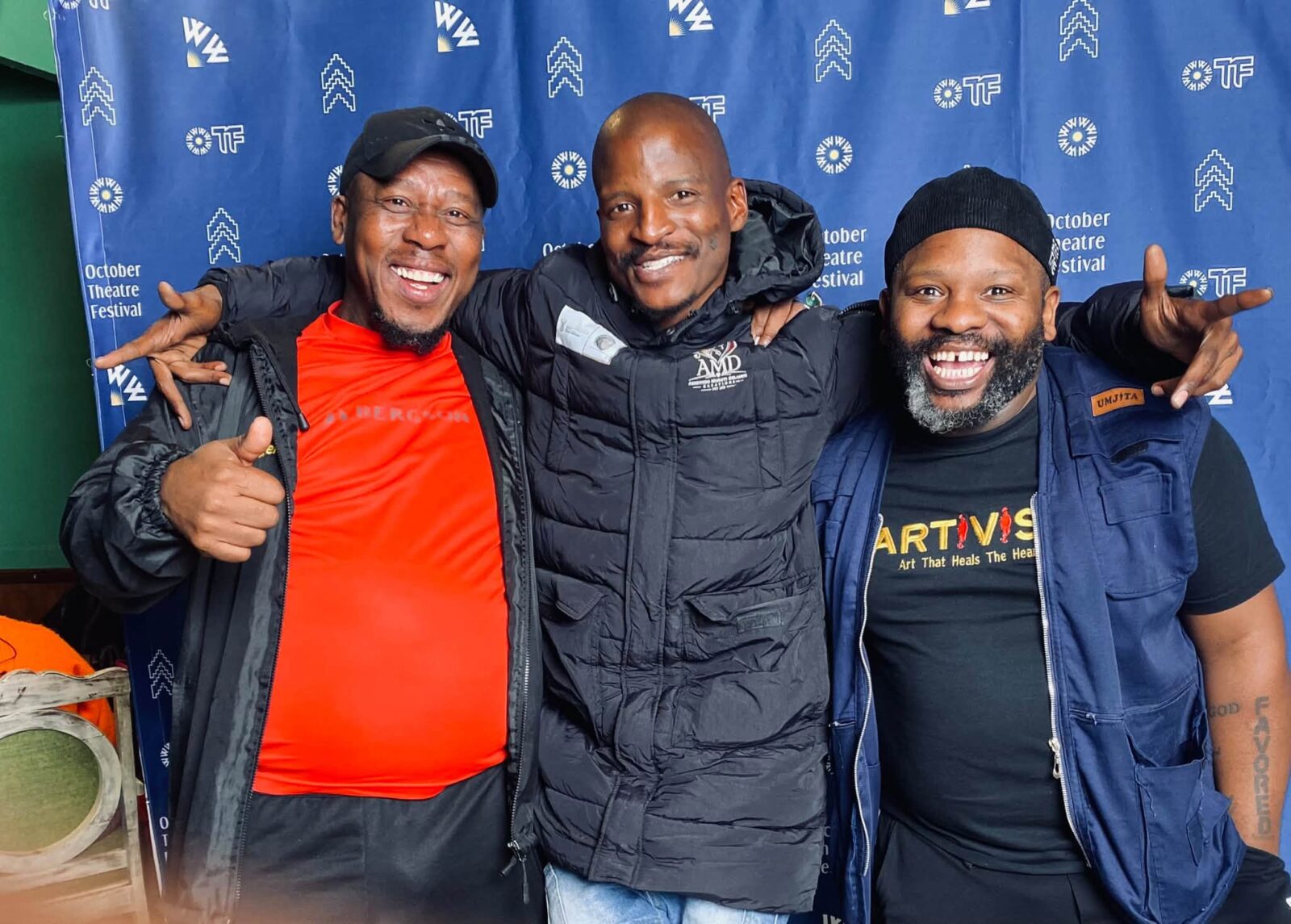
MBABANE: The October International Theatre Festival (OITF) is bringing together young performers, established theatre practitioners and creative professionals from across Southern Africa for a programme of performances, masterclasses and artistic exchanges in Mbabane.
The festival opened on 30 September at the Mbabane Theatre Club with the Genesis Ekucaleni School of Creative Arts programme, which brought together learners and teachers from 20 schools for training in storytelling, movement and performance.
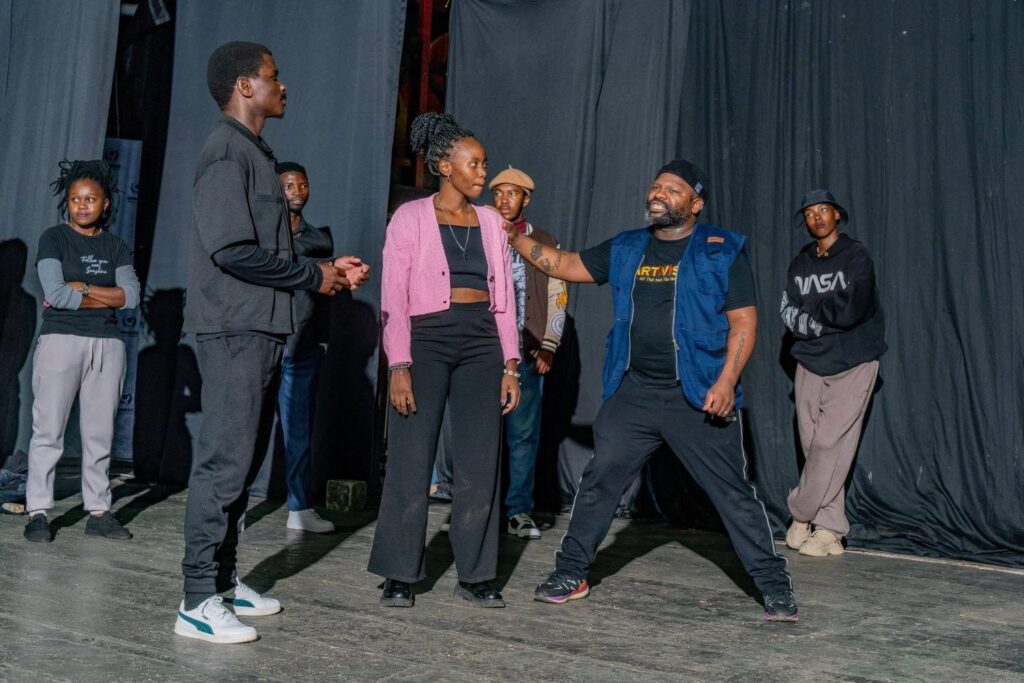
Mozambican choreographer Alexandre Dos Santos is leading the dance programme, while South African actor Hamilton Dlamini is conducting theatre training. Additional workshops in creative writing, poetry and directing are taking place at American Corner Mbabane and Yini Loku.
The student theatre participants include performers who emerged from the Inyatsi Schools Theatre Competition, including learners from Swazi National High School and Ngomane Primary. They recently took part in a cross border collaboration with Dlamini through the IGAZI play hosted in Mbombela by South African actor Phindy The Real Queen. The collaboration was facilitated through the Eswatini National Council of Arts and Culture.
Dlamini’s sessions are focused on more than script memorisation. The learners are being trained in listening, mental preparation, teamwork, dialogue and the discipline required for stage performance.
He has also given participants different characters to perform as a way of building confidence and helping them adapt to a range of roles. The training includes exercises designed to help performers respond quickly when a character demands an emotional reaction.
The festival has also featured specialised sessions led by South African theatre director Moruti Dhlamini, who conducted a directing masterclass focused on the relationship between actors and directors and the process of developing believable characters.
Dhlamini told aspiring creatives that projection was not simply about speaking loudly but about taking ownership of a performance.
“The audience does not have to find your voice, it is your responsibility to give them the voice,” he said.
He also urged performers to understand their characters thoroughly and to approach scripts with intention.
“You must embody the character. Once you read the script with intention, you will know how to portray it at its best,” he said.
Listening, he said, is central to believable theatre because characters need to genuinely respond to one another rather than simply deliver prepared lines. He also encouraged actors to study the written material, seek clarity from directors and draw on their own emotional and observational experiences.
Dhlamini told participants that directors should create room for actors to interpret their surroundings rather than treating performers as tools.
“You read the script and you find yourself. I cannot control you. You are not a tool. I just give you the lines you are supposed to follow and give you space to play, to look at your surroundings in your own way. Play what you have seen,” he said.
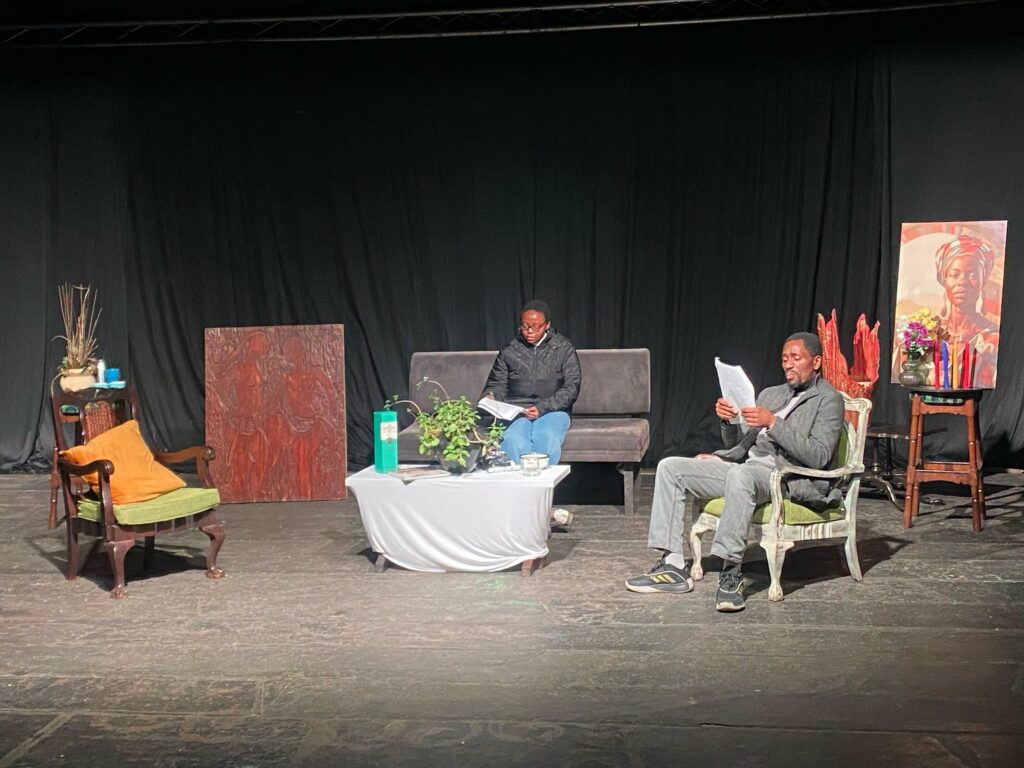
He used the example of a gunman standing by a door to explain how performers can use imagination and observation to create a believable reaction, even when they have never experienced such a situation.
The director also encouraged performers to build a wide collection of references, observations and emotional memories that can be used as creative resources when developing characters.
Another major training session has been led by South African theatre practitioner Dr Sindi Disi, who has been working with aspiring actors and actresses through a practical theatre making masterclass.
Disi placed participants in different settings, including a hospital ward, construction site and school environment, requiring them to create dramatic situations from scratch.
The exercises focused on creating immersive productions through the combination of sound, visual elements and monologues, rather than relying only on dialogue.
The workshop also dealt with the professional demands of the performing arts, including discipline, audience expectations, concentration, difficult dialogue and the need for performers to commit fully to their assigned characters.
“The festival is doing a phenomenal job by providing a vital platform for local talent to showcase what they are truly capable of, I have been genuinely amazed by the level of raw talent, hunger to learn and creative passion I have seen among the participants here.” Disi said.
The festival’s programme has also brought established regional performers to Eswatini, including South African actor and theatre practitioner Bheki Mkhwane.
Mkhwane, who has more than three decades of experience across stage acting, physical theatre, mime and playwriting, was scheduled to headline a special showcase at the Mbabane Theatre Club on 30 September.
The KwaMashu born performer became widely recognised for his portrayal of Samson Ndlovu in the Mzansi Magic drama series Isibaya. His television and film credits also include eHostela, Ifalakhe and Uzalo.
Mkhwane has also continued working in theatre and mentoring emerging creatives across the continent.
The OITF programme is continuing with performances, training sessions and creative exchanges as the festival brings together artists and young performers from Eswatini and neighbouring countries.
The dance programme led by Dos Santos has seen students undertake practical exercises focused on stagecraft and movement, giving participants an opportunity to develop their performance skills through direct instruction and group work.
The festival is scheduled to continue through 3 October, with the Mbabane Theatre Club serving as one of its main venues.









Leave a comment