


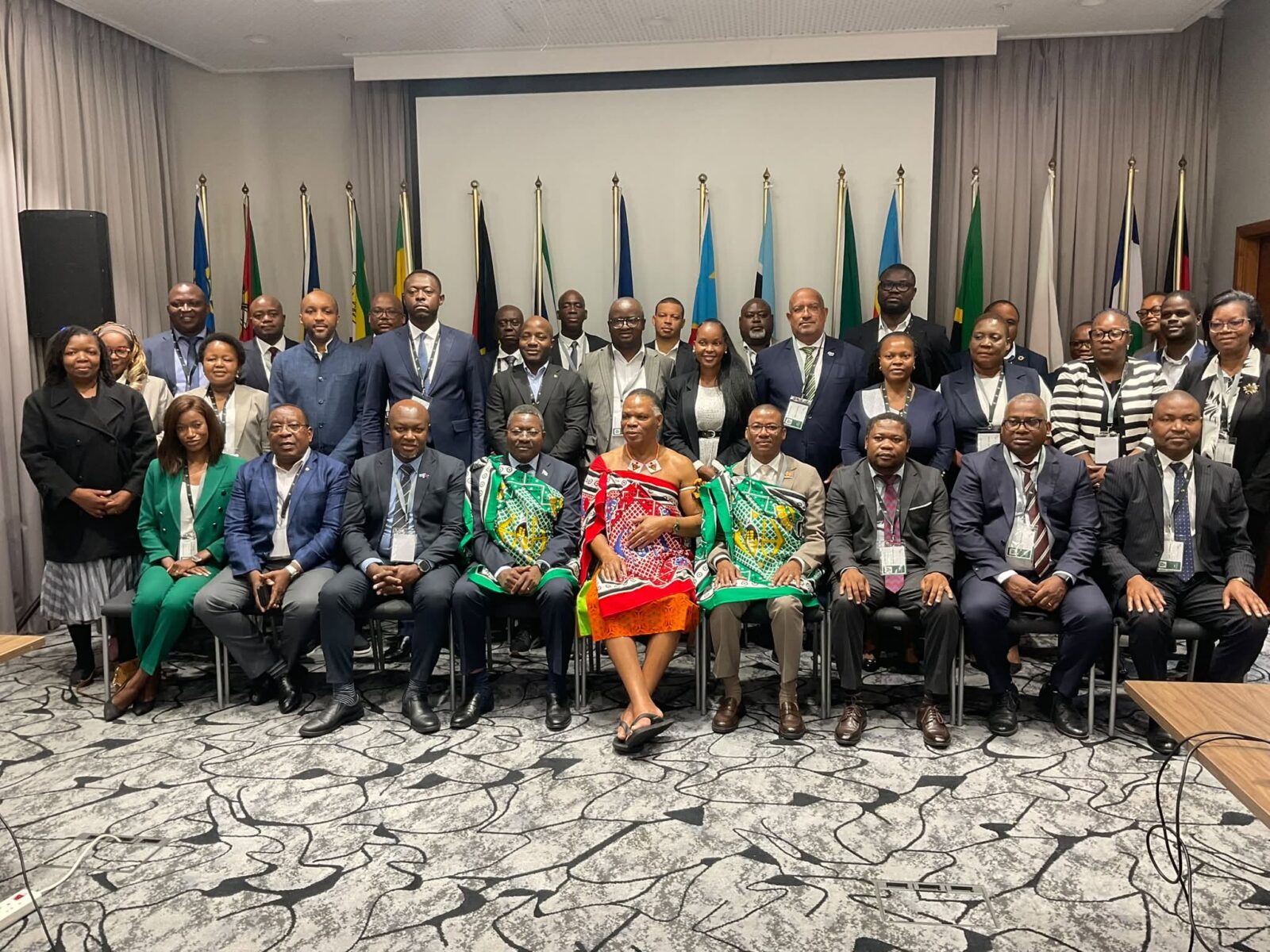
MBABANE, Eswatini – Eswatini is hosting the 61st Southern African Power Pool (SAPP) Executive Committee Meeting, bringing together energy sector leaders and stakeholders from across Southern Africa to discuss electricity security, regional power cooperation and investment in critical energy infrastructure.
The meeting, currently underway in the Kingdom, provides a platform for representatives from the region to examine strategies for addressing electricity supply challenges, strengthening cross-border power trading and accelerating the development of a more integrated and sustainable regional electricity market.
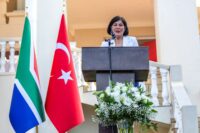
The Minister of Natural Resources and Energy, His Royal Highness Prince Lonkhokhela, was represented at the official opening by the ministry’s Under Secretary for Technical Affairs, Ms Gabisile Mabuza, who formally declared the meeting open.
In his address, the Minister pointed to the growing importance of energy security in supporting economic growth and industrialisation across Southern Africa. He identified three priority areas requiring greater regional attention: investment in electricity transmission infrastructure, strengthening regional electricity markets to attract investment, and diversifying energy sources to improve security and resilience.
Although Southern Africa has considerable energy resources, the Minister noted that the region continues to face electricity shortages, transmission limitations and affordability challenges, which affect the reliability of power supply.
He said overcoming these obstacles would require stronger regional integration, more efficient electricity trading arrangements and increased investment in both power generation and transmission infrastructure.
Providing an update on Eswatini’s efforts to strengthen its domestic electricity network, Prince Lonkhokhela outlined progress under the Network Reinforcement and Access Project.
The initiative has resulted in the completion of key transmission substations at Nhlangano 2, Hluti, Matsanjeni and Lavumisa, together with associated 132kV transmission infrastructure.
The developments are part of the country’s broader efforts to improve electricity distribution capacity, strengthen network reliability and expand access to power.
The Minister also outlined Eswatini’s plans to diversify its energy sources and increase domestic electricity generation. These include the proposed Lower Maguduza Hydropower Station, exploration of geothermal energy opportunities and additional solar power projects.
The initiatives are intended to strengthen the country’s electricity generation capacity and reduce its exposure to disruptions in external electricity supplies.
Prince Lonkhokhela said Eswatini’s energy security could not be achieved independently of developments elsewhere in the region, making cooperation among Southern African Development Community (SADC) member states through the Southern African Power Pool essential.
He urged the SAPP Executive Committee to concentrate on practical interventions and speed up the implementation of regional energy projects.
According to the Minister, the success of regional cooperation should be reflected in more reliable and affordable electricity, increased generation capacity and stronger cross-border electricity trade.
Minister welcomes regional delegates
Following the official opening of the 61st SAPP Executive Committee Meeting, Prince Lonkhokhela also held a courtesy engagement with delegates attending the gathering.
The Minister welcomed the visiting representatives to the Kingdom of Eswatini and wished them an enjoyable and memorable stay.
As part of the reception, he presented delegates with Swati traditional regalia, giving them an opportunity to experience and appreciate the country’s cultural heritage.
The gesture formed part of Eswatini’s hospitality towards the regional energy stakeholders attending the meeting.
The SAPP Executive Committee gathering brings together key decision-makers and industry representatives from across Southern Africa to deliberate on electricity security, regional power trading, infrastructure development and investment opportunities.
Beyond discussions on individual national energy priorities, the meeting offers participating countries an opportunity to strengthen cooperation on shared electricity challenges and advance the development of an interconnected regional power market.
Eswatini continues to support regional initiatives aimed at developing a secure, reliable and sustainable electricity sector capable of supporting economic development and improving living standards across the SADC region.









Leave a comment