


JOHANNESBURG, South Africa – South Africa has removed nearly 820,000 Traffic Register Numbers (TRNs) found to be duplicated or non-compliant following a nationwide investigation into the registration of foreign nationals, a move that could affect thousands of foreign drivers working for ride-hailing and delivery companies such as Uber and Bolt.
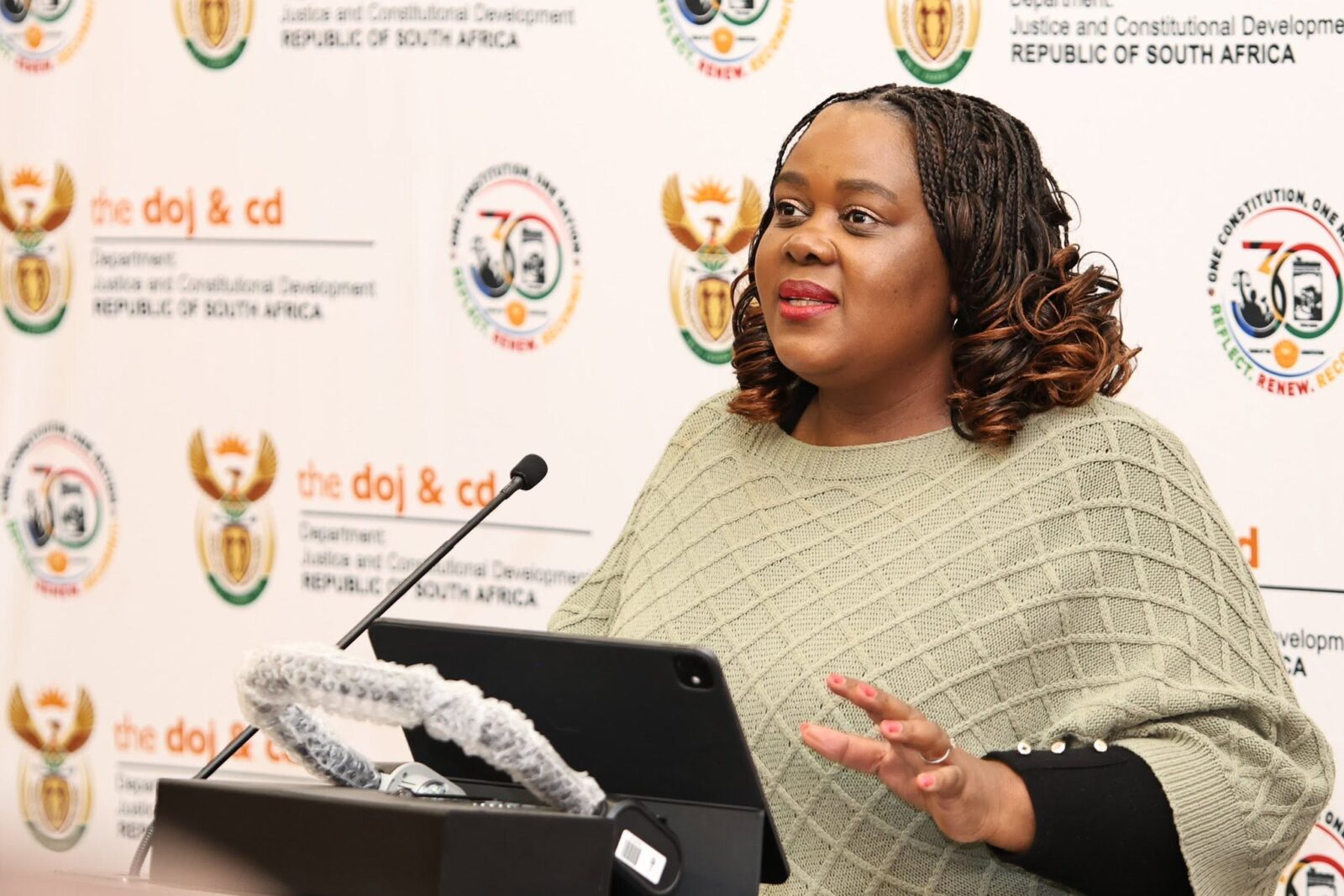
Minister of Justice and Constitutional Development Mmamoloko Kubayi, who chairs the Inter-Ministerial Committee (IMC) on Migration, disclosed the latest figures on Thursday while providing an update on the government’s efforts to clean up the country’s traffic registration system.
The exercise forms part of a broader effort by the Department of Home Affairs to establish whether foreign nationals holding South African traffic registration numbers have the necessary immigration status to remain and conduct business in the country.
The investigation began after Home Affairs revealed in June that hundreds of thousands of traffic registration documents issued to foreign nationals were irregular.
Authorities examined 1,072,258 TRNs issued by the Road Traffic Management Corporation (RTMC) between January 2000 and July 2023. The records were checked against four government databases: the Visa Adjudication System (VAS), National Immigration Identification System (NIIS), Electronic Movement Control System (eMCS) and Movement Control System (MCS).
The findings revealed significant discrepancies. Only 29,653 recipients, representing 2.7% of the total, could be matched against the National Immigration Identification System, while 747,350 records had no corresponding matches in the Visa Adjudication System.
Providing the latest figures, Kubayi said the government had retained approximately 850,000 compliant registrations while removing almost 820,000 numbers that failed the verification process.
“I want to highlight that we have now 850 000 TRNs that are compliant in registration. We have removed almost 820 000 registration TRN numbers that were either a duplicate or after screening were found to be non-compliant,” said Kubayi.
She explained that some foreign nationals had used the traffic registration numbers to purchase vehicles and operate commercial services despite not having the appropriate immigration status.
“Somebody will ask, what is this? Many of them were utilising this to operate your Ubers, your Bolt, your deliveries, while they did not have recognition of proper status. So they could go buy a car utilising TRNs. Many of the foreign nationals were utilising this area.”
The development is significant for foreign nationals working in South Africa’s growing ride-hailing and delivery industries, where access to vehicles and the necessary documentation is essential for earning an income.
The clean-up also follows a proposal announced by the Department of Transport last month to amend regulations governing acceptable identification documents.
The proposed changes seek to remove Traffic Register Numbers, South African driving licences and learner’s licences from the list of documents accepted as identification.
Under the proposed arrangement, South African citizens would be required to use appropriate identity documents, while foreign nationals who are not permanent residents would need to present valid passports issued by their countries of origin, together with relevant permits from Home Affairs confirming their legal status in South Africa.
Spaza shop registrations
Kubayi also turned attention to the government’s efforts to regulate small businesses, particularly spaza shops operating in townships and rural communities, accusing some South Africans of helping undocumented foreign nationals bypass business registration requirements.
The issue dates back to November 2024, when President Cyril Ramaphosa announced that all spaza shops would be required to register with their respective municipalities.
The government introduced the registration drive following cases of food-borne illnesses and deaths among children linked to contaminated products purchased from spaza shops.
The registration process was also intended to improve oversight of the informal retail sector and ensure that businesses comply with relevant regulations, including requirements governing who may legally operate them.
However, Kubayi said some South Africans had been registering businesses under their own names before allowing foreign nationals to run the shops.
She warned that the practice was undermining the government’s regulatory efforts and creating the impression that authorities were permitting undocumented migrants to operate businesses illegally.
“Now, it looks as if it’s the government that is registering or allowing illegal immigrants to operate small businesses. We are really appealing to South Africans. We can only be able to effectively manage the migration process, respond to the needs of South Africans, heed the call when we work together,” said Kubayi.
She appealed to residents in townships and rural communities to stop registering businesses on behalf of foreign nationals and subsequently renting the premises or licences to them.
“Those of us in townships, in rural communities, please stop what you are doing. Registering these businesses in municipalities in your name and renting them out to foreign nationals. You are actually obstructing justice.
“And some of them are senior citizens, which is painful. Because when we make arrests, it will be like government is arresting old people. Others are saying, these people are giving us an income. But lying to the state and registering wrongly, it’s a criminal offence.
“So when these people come into the communities as they are monitoring these licences, they will start identifying those individuals and reporting them to law enforcement agencies.”
The minister warned that authorities would continue monitoring business registrations and could refer individuals suspected of facilitating fraudulent registrations to law enforcement agencies.

















Leave a comment