


CAPE TOWN, South Africa, November 19, 2026 – Africa’s ability to overcome electricity shortages, attract industrial investment and accelerate economic development will depend increasingly on how effectively countries connect their power systems and trade electricity across national borders.
The Africa Energy Indaba 2027 is positioning regional electricity cooperation as a central part of the continent’s energy agenda, calling for stronger interconnected power networks, investment in renewable energy and closer collaboration between African governments and private-sector players.
The argument comes as African countries face growing electricity demand while seeking to expand access, improve energy security and develop more reliable power infrastructure.
Although the continent possesses substantial energy resources, including solar, wind, hydropower and natural gas, their availability varies considerably between countries and regions. Greater integration of national electricity grids could allow countries with excess generation capacity to supply neighbouring markets experiencing shortages.
Such arrangements could also reduce pressure on national electricity systems, improve the use of existing generation assets and create a larger market for electricity producers.
Beyond addressing power shortages, regional electricity trade offers wider economic opportunities. Better connected energy markets could support manufacturing, mining, agriculture, digital infrastructure and other industries that depend on consistent and competitively priced electricity.
For Africa, electricity integration is increasingly being viewed as an important component of economic cooperation and the continent’s broader industrialisation ambitions.
Regional power pools offer a pathway
Regional electricity markets provide a framework through which African countries can coordinate power generation, transmission and commercial trading.
Under these arrangements, countries with surplus electricity can sell to neighbouring states, allowing available generation capacity to serve a wider regional market rather than remaining confined within national borders.
The approach can also improve the financial viability of major energy projects by giving developers access to more customers and creating opportunities for long-term electricity trading agreements.
West Africa provides an example of the progress being made. More than 4,000 kilometres of high-voltage transmission lines have been constructed to connect the electricity networks of 15 countries through the West African Power Pool (WAPP).
By 2026, approximately 8% of electricity in the region was being traded across national borders, illustrating the potential of interconnected power systems to improve regional energy cooperation.
Other regional initiatives, including the Southern African Power Pool (SAPP) and the Eastern Africa Power Pool (EAPP), are also creating opportunities for countries to coordinate electricity supply and expand regional markets.
For Southern Africa, strengthening the SAPP could help countries manage generation constraints, diversify electricity sources and improve access to available power across the region.
Renewable energy development presents another major opportunity. Countries with favourable conditions for solar, wind and hydropower generation could supply electricity to neighbouring markets, allowing more renewable energy to enter regional grids.
This could also reduce dependence on expensive and carbon-intensive electricity sources while supporting the continent’s transition towards cleaner energy systems.
However, expanding cross-border electricity trade requires more than constructing transmission infrastructure. Governments must coordinate energy policies, establish compatible regulatory frameworks and develop commercially sustainable trading arrangements.
Reliable payment mechanisms and long-term investment in transmission infrastructure will also be necessary to ensure that electricity transactions remain financially viable.
The African Union’s African Single Electricity Market (AfSEM) initiative is working towards the gradual integration of national and regional electricity markets into a unified continental system.
The initiative seeks to make electricity trading across Africa more efficient, allowing countries to benefit from the continent’s collective generation capacity and energy resources.
Investment and policy coordination remain critical
Governments, electricity utilities, regulators, development finance institutions and private investors will have important roles to play in removing the barriers that continue to limit regional energy integration.
Investment in transmission lines, cross-border interconnectors, modern electricity grids and energy storage infrastructure will be essential to improving the movement and management of electricity between countries.
Equally important will be predictable regulatory systems capable of attracting private-sector financing into projects that often require substantial capital and long development periods.
The expansion of regional electricity markets also has implications for Africa’s economic integration ambitions, particularly as countries implement the African Continental Free Trade Area (AfCFTA).
Manufacturing companies, mining operations, agricultural businesses and technology firms all require dependable electricity to operate competitively. Improved regional energy cooperation could therefore help create better conditions for industrial investment and cross-border commercial activity.
The development of interconnected power markets is consequently linked to a wider ambition of connecting African industries, businesses and national economies through shared infrastructure.
Africa Energy Indaba prepares for 2027 edition
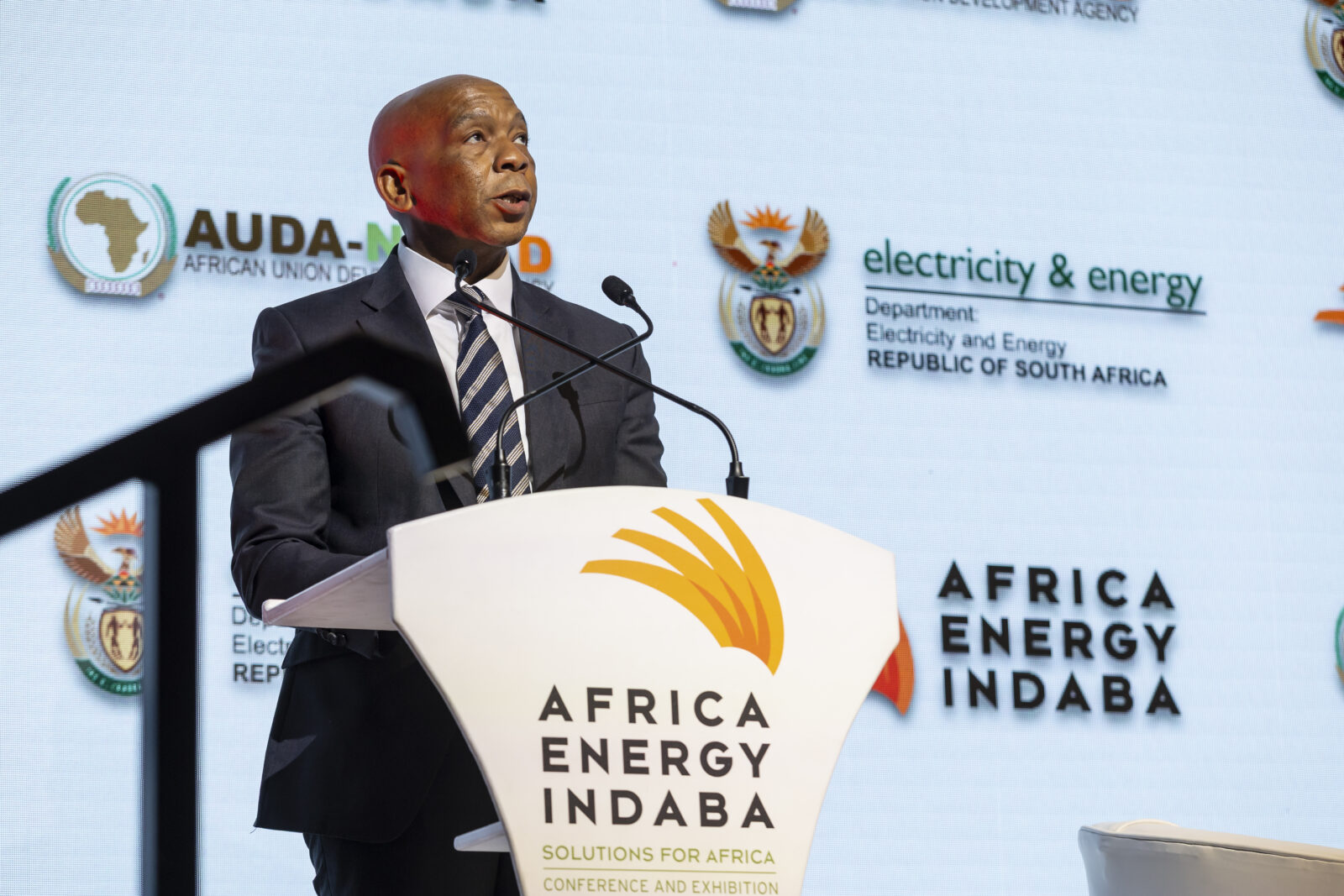
The Africa Energy Indaba is placing regional electricity cooperation among the major issues expected to shape discussions at its 2027 gathering in Cape Town.
The event brings together policymakers, energy companies, investors, project developers, technology providers and other industry stakeholders to examine the challenges facing Africa’s energy sector and identify opportunities for investment and cooperation.
Liz Hart, Managing Director of Africa Energy Indaba, said the continent needed to move beyond individual national energy strategies and pursue a more coordinated approach to electricity development.
“Africa’s energy future cannot be built in isolation. We must move beyond individual national energy strategies and recognise the strength of what we can achieve through regional cooperation. By connecting our energy systems, sharing resources, and creating opportunities for cross-border electricity trade, we can improve energy security, unlock investment, and accelerate industrial development. A connected Africa is a stronger, more competitive and better-powered Africa.”
The 19th Africa Energy Indaba will take place from March 2 to 4, 2027, at the Cape Town International Convention Centre (CTICC), under the theme “African Energy – Pathways to Prosperity: Connectedness and Cooperation.”
Its conference programme and associated industry forums will bring together decision-makers and energy sector participants to discuss electricity access, infrastructure investment, renewable energy development and partnerships capable of strengthening the continent’s energy systems.
The gathering is expected to provide opportunities for stakeholders to examine how regional cooperation can move beyond policy discussions towards practical projects, investment commitments and stronger electricity trading arrangements.
For African economies seeking to expand electricity access, increase renewable energy generation and strengthen industrial capacity, the integration of national power systems is becoming an increasingly important part of the continent’s development agenda.








Leave a comment