


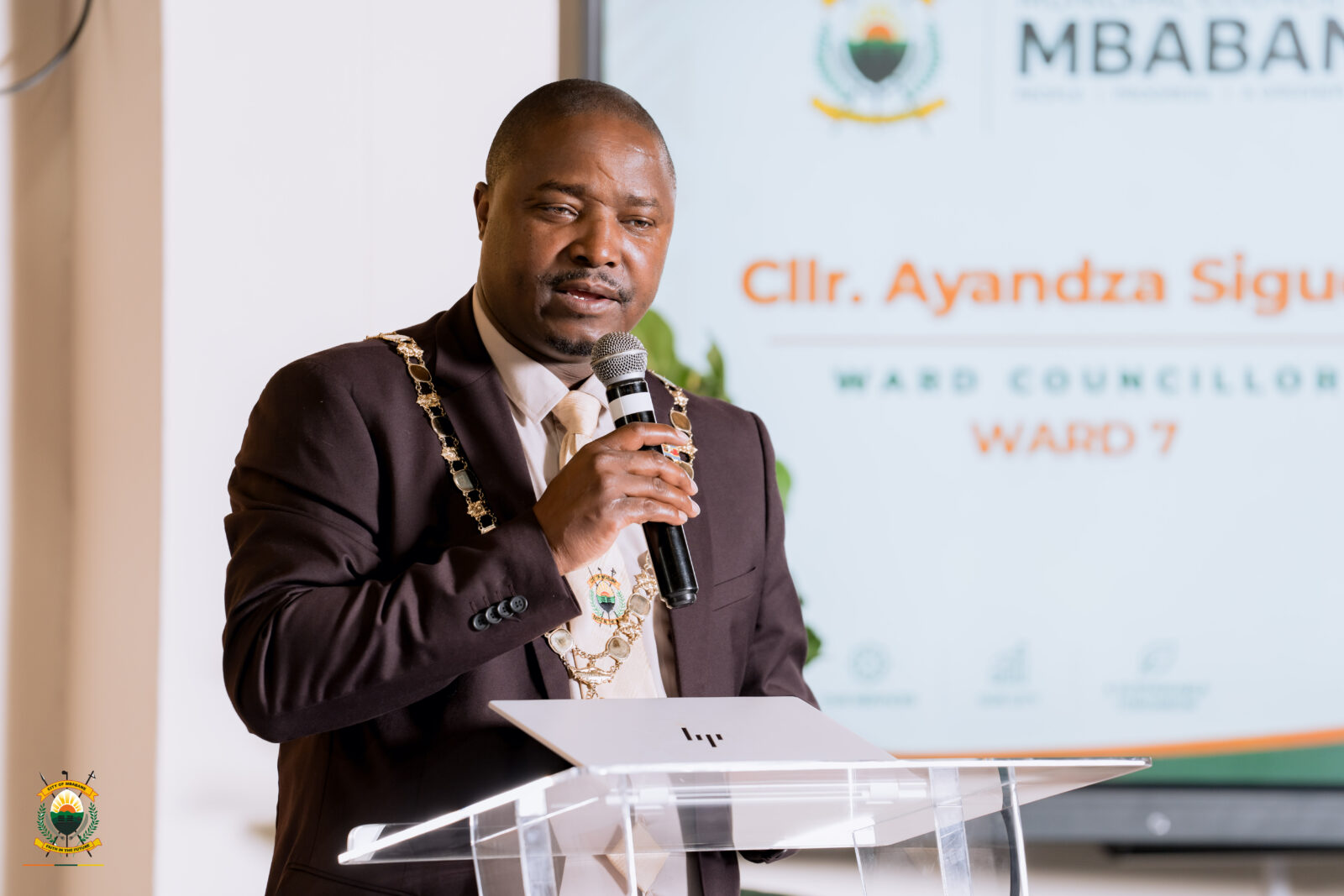
MBABANE, Eswatini, September 18, 2026 The Municipal Council of Mbabane recorded a surplus of E6.9 million for the financial year ended March 2026, despite operating costs rising faster than total income, according to its latest audited financial statements.
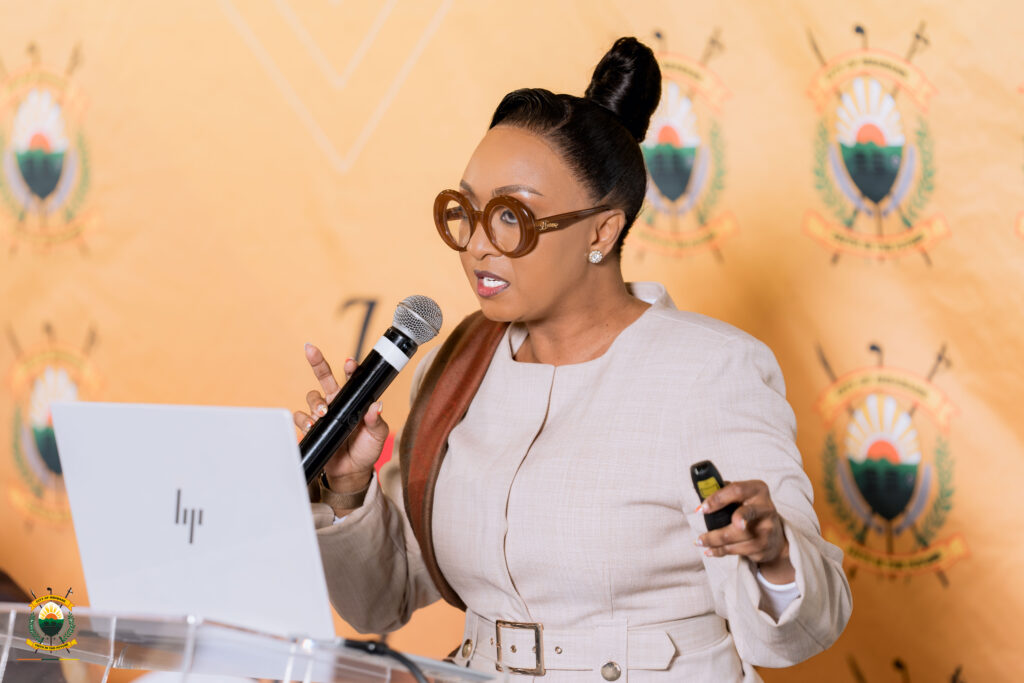
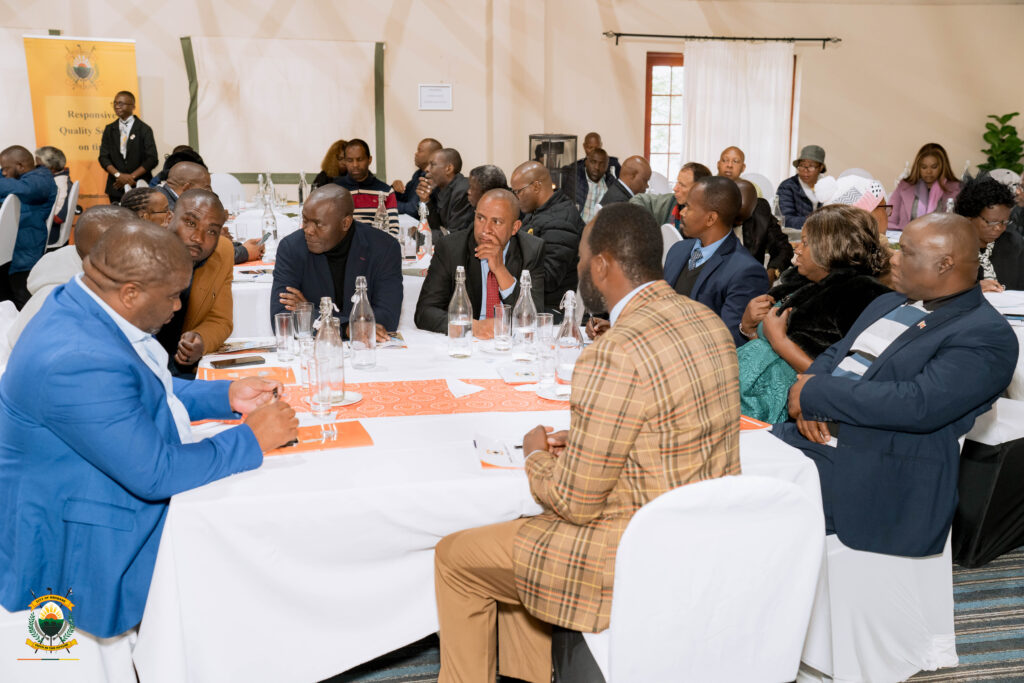
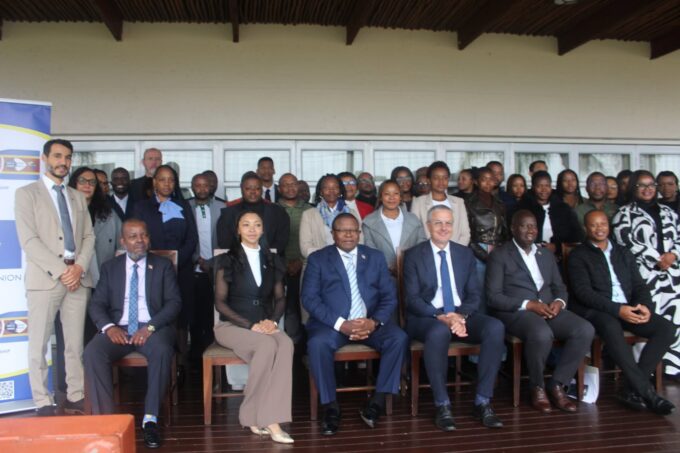
The figures were presented during the Mbabane Annual Meeting, where the council reported total income of E176 million for the year, up 5.4 percent from E167.1 million in 2025.
Operating expenditure increased by 7.7 percent from E164.5 million to E177.1 million, resulting in an operating deficit of E1.08 million before finance income.
Finance income, however, rose to E10.3 million from E6.8 million, while finance costs fell from E3.46 million to E2.37 million. The council consequently recorded a surplus of E6.88 million, compared with E5.98 million in the previous financial year.
The council’s audited financial statements received an unqualified audit opinion. The report states that the financial statements were prepared, in all material respects, in accordance with the accounting basis described in the financial statements.
Revenue remained heavily dependent on rates. Private rates contributed E91.59 million, representing 52 percent of total income, while government rates contributed E67.90 million, or 39 percent.
Rates penalties and interest contributed E5.41 million, while other operating income accounted for E11.12 million. Refuse collection contributed E4.41 million within the other operating income category.
Personnel costs increased to E60.70 million from E56.80 million, while depreciation stood at E16.04 million. Other operating costs rose by 9.9 percent to E100.36 million from E91.36 million.
Road rehabilitation and drainage accounted for E21.90 million of other operating costs, compared with E15.77 million in 2025.
Waste management, security, cemetery and markets cost E19.79 million, while utilities accounted for E12.31 million. Town planning, community and public health services cost E7.15 million.
Rates debt remains a concern
The council reported E90.47 million in trade and other receivables at the end of March 2026, down from E102.12 million a year earlier.
Outstanding private rates increased by 14 percent to E59.37 million, while government rates outstanding fell by 21 percent to E51.37 million.
Total outstanding rates stood at E110.74 million compared with E116.89 million in 2025.
The council said E28 million of the outstanding rates had been handed over for legal collection after internal collection efforts had been exhausted, in line with the Rating Act.
The current rates collection rate improved slightly from 82 percent to 83 percent. However, the proportion of rates debt considered doubtful increased from 25 percent to 31.7 percent.
The council’s gross cash cover also improved from four months to five months, while borrowings as a proportion of assets declined from 3.4 percent to 2.1 percent.
Cash and cash equivalents increased by 15.7 percent to E75.93 million, compared with E65.64 million in 2025.
Net operating cash inflow stood at E31.11 million, while the council recorded a net investing outflow of E12.66 million and a net financing outflow of E8.17 million. The overall increase in cash during the year was E10.29 million.
Council outlines development priorities
The council’s strategic objectives include reducing its reliance on rates to below 70 percent of the budget by 2029 and increasing rates collection by three percent annually.
It also plans to expand user fees and charges, attract investment through public private partnerships, facilitate investment, modernise the city and pursue inner city revitalisation.
Other financial priorities include automating finance services and strengthening financial performance and sustainability measures.
The council also listed environmental management, public health, social development, spatial planning, local economic development, infrastructure, governance, risk management and smart city development among its strategic priorities.
Plans include waste minimisation and recycling, landfill management, environmental assessment, pollution control, sanitation management, food safety, water quality management and disease prevention.
Social development programmes include social centres, early childhood development, health outreach, community halls, parks, public consultations and stakeholder dialogue.
| E MILLION | 2026 | 2025 |
|---|---|---|
| NET OPERATING INFLOW | 31.11 | 35.24 |
| Cash collected – cash utilized in Operations -11.7%. | ||
| NET INVESTING OUTFLOW | (12.66) | (13.21) |
| PPE purchases E12.81m; [2025- PPE-7M Financial Assets-6M] | ||
| NET FINANCING OUTFLOW | (8.17) | (6.80) |
| Debt repayments E9.90m, offset by net trust receipts | ||
| NET INCREASE IN CASH | 10.29 | 15.23 |
| CASH AND CASH EQUIVALENTS AT THE END OF THE YEAR | 75.93 | 65.64 |
Smart city programme expands
Mbabane’s smart city plans include the implementation of real time city surveillance, a smart disaster early warning system, smart transportation systems, digital government services and public Wi Fi hotspots.
The council reported that a 5G network and 60 security cameras had been installed in the central business district.
A control room equipped with modern technology is being operated by police officers from the Royal Eswatini Police Service, with daily reports generated from the system.
The council also reported a youth economic empowerment project focused on grass cutting. Twelve grass cutting machines were procured and 28 Mbabane youths had participated in the project by the end of the reporting period.
Crime and security
The council recorded 2,684 reported cases across the listed crime categories during the 2025/26 reporting year.
The figures included 1,365 theft cases, 481 housebreaking and theft cases, 149 cases of theft from motor vehicles, 142 shoplifting cases and 111 robbery cases.
There were also 47 rape cases, 41 armed robbery cases, 15 attempted murder cases, 10 cases of grievous bodily harm and five murder cases.
The council said the engagement of a new security company during the reporting period was associated with a marked reduction in illegal trading activities and other forms of criminality within the city.
Public health services
The council’s public health programmes recorded thousands of interventions during the year.
These included 7,235 HIV testing services, distribution of 3,477 HIV self test kits, 2,074 pre exposure prophylaxis interventions and 279 post exposure prophylaxis interventions.
The council also distributed 684,616 condoms and 22,978 units of lubricant.
A total of 16,647 home based care visits were recorded, alongside 967 treatments for minor illnesses, 737 blood pressure screenings, 886 tuberculosis screenings, 595 COVID 19 screenings and 556 family planning services.
The council recorded 153 new HIV infections during the year and said all those identified were successfully linked to care. Most of the new infections were among adolescent girls and young women.
The council said its future response would combine biomedical and behavioural interventions, guided by NERCHA.
Food safety inspections resulted in the seizure and destruction of 1,100 kilograms of unsafe and expired food, as well as an uninspected 88 kilogram bovine carcass.
The council said it was revising its food safety by law and planned to place greater attention on a risk based food inspection system.
Social programmes reach children
The council continued feeding programmes at nine social centres, providing two meals each day to an average of more than 1,100 children throughout the reporting year.
With external funding, 15 high school students who could not afford tuition fees were assisted to enrol in school.
The council also conducted 13 gender based violence awareness and prevention campaigns in communities, workplaces and tertiary institutions.
Spelling Bee and public speaking competitions were held for primary and high school learners, with the programmes focusing on literacy, public speaking, leadership, critical thinking and civic participation. The council also marked Social Inclusion Day for children with disabilities.
Waste and environmental programmes
Mbabane received 14,486 tonnes of landfill waste during the reporting period, compared with 18,604 tonnes in 2024/25.
The reported diversion rate was 39 percent, with 5,590 tonnes diverted from landfill disposal.
A further 2,989 tonnes of city dry waste were recycled across the four quarters, while 36 schools participated in Eco Club initiatives that recycled 7,638 kilograms of dry waste through the Environmental Health and Safety Services programme.
The council also continued environmental initiatives including wetland rehabilitation, removal of invasive plants and clearing of overgrown vegetation in public open spaces and riverine areas.
A total of 181 trees were planted, including 46 Alexander palms along the route between Kia traffic signals and Mangwaneni traffic signals. The council also reported that 350 hectares of overgrown vegetation had been cleared.
Roads and public transport
The council reported that 5.0 kilometres of streets had been rehabilitated during the financial year.
It also carried out pothole patching across 6,000 square metres, with expenditure of E5.6 million, while vegetation clearance covered 855,000 square metres.
Drainage cleaning and grading and regravelling were also undertaken, with reported distances of 40.7 kilometres and 43.3 kilometres respectively.
The Sidwashini satellite bus rank became operational during the year.
The council received 720 public transport permit renewal applications but recommended that no new permits be issued because the main bus rank was already congested.
The national Road Transportation Board had also suspended the issuing of fresh public transport permits.
The reported fleet operating in the city consisted of 730 minibuses, 80 metered taxis and 35 buses, bringing the total to 845 vehicles.
The council said road safety initiatives included a school campaign and a week long vehicle audit.
The annual report also records more than 2,400 participants in the Mbabane Marathon, more than 500 participants in the Olympic Day Run, more than 600 burials handled, 140 participants in Age in Motion and 80 participants in the Oval Keep Fit programme.
Land and urban development
The council received E1.68 million in UDP Phase 1 plot payments against a target of E1.5 million.
A total of 267 99 year leases were registered, while 23 Crown Land applications were processed through three sittings.
Under UDP Phase 2, pegging was completed at Nkwalini Zone 3, while the Makholokholo and Sidwashini pegging process was completed and the township General Plan approved.
Gazetting was finalised for Mahwalala Zone 6C and Fonteyn, while the council approved the UDP Phase 2 plot pricing model during the financial year.
Environmental audit reports for Gobholo, Mncitsini and PTS under UDP Phase 3 were also approved by the Eswatini Environment Authority.
The council reported completed township registration for Malagwane, Mvakwelitje, Fonteyn and Mahwalala Zone 6C, covering hundreds of surveyed lots and public open spaces.
The annual report states that the council had 102 employees during the 2025/26 financial year, excluding temporary staff. Two employees resigned and three were hired during the period.
The council’s organisational performance assessment recorded a score of 90 percent, which the report said represented a high performance level according to an independent organisational audit. Its governance performance assessment was 93 percent.










Leave a comment