Home Climate Eswatini targets climate resilience with new adaptation tools
Climate

Eswatini targets climate resilience with new adaptation tools

Share
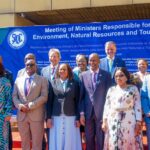
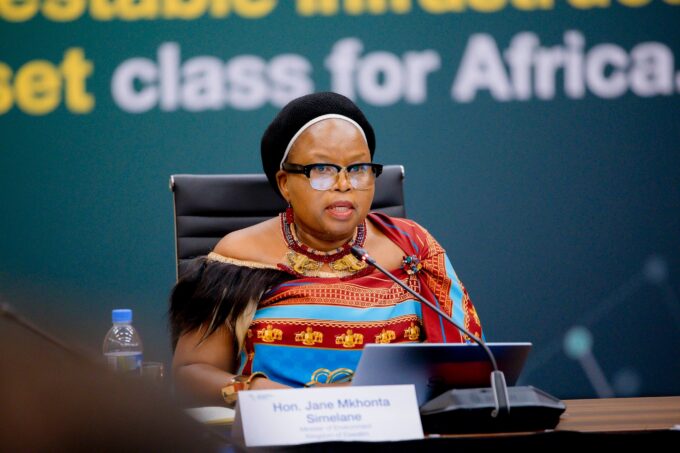
Delegates engage during the National Adaptation Plan validation workshop at Sibane Hotel, where key tools for climate resilience in Eswatini were reviewed.
Share

Stakeholders from across Eswatini’s public and private sectors gathered at Sibane Hotel on Thursday to review tools set to guide the country’s response to intensifying climate risks.

Led by the Eswatini Economic Policy Analysis and Research Centre (ESEPARC) in partnership with the Ministry of Tourism and Environmental Affairs, the session focused on validating two key components of the National Adaptation Plan (NAP): a prioritisation tool and a costing framework.

These instruments are part of Eswatini’s ongoing efforts to confront rising climate threats such as frequent droughts, flooding, and extreme heat, which continue to endanger communities across the kingdom—especially the most vulnerable.

Delegates engage during the National Adaptation Plan validation workshop at Sibane Hotel, where key tools for climate resilience in Eswatini were reviewed.

The revised National Criteria for Prioritising Adaptation Options was presented first. Developed through consultations with local experts and guided by international standards, the tool is designed to help government and partners assess which climate adaptation actions are most viable, fair, and consistent with national development goals.

The second tool, the Draft Adaptation Costing Framework, offers a structured approach for estimating how much will be required to implement various adaptation interventions. Drawing from previous work on Eswatini’s Nationally Determined Contributions (NDC) Implementation Plan, it is intended to support climate budgeting and identify where funding shortfalls may lie.

Officials invited participants to apply their technical knowledge to improve the tools and ensure they reflect local realities.


Share
Written by
Adekunle Owolabi

Adekunle Owolabi is a journalist, political analyst, and digital strategist with experience across Africa and the Middle East. He focuses on international diplomacy, promotes digital inclusion, and advocates for a borderless Africa.

Leave a comment

Leave a Reply

Your email address will not be published. Required fields are marked *

Related Articles

Ghana calls for stronger regional climate action

ACCRA, Ghana | Ghana’s Vice President Naana Jane Opoku Agyemang has called...

Nepal and Senegal take climate trade case to Geneva

Geneva - Nepal and Senegal have told the World Trade Organization that...

Eswatini makes case for climate action at GEF assembly

Samarkand, Uzbekistan - Tourism and Environmental Affairs Minister Jane Mkhonta Simelane is...

PM calls for climate justice at global gathering

Mbabane - Prime Minister Russell Mmiso Dlamini on Wednesday addressed a global...