


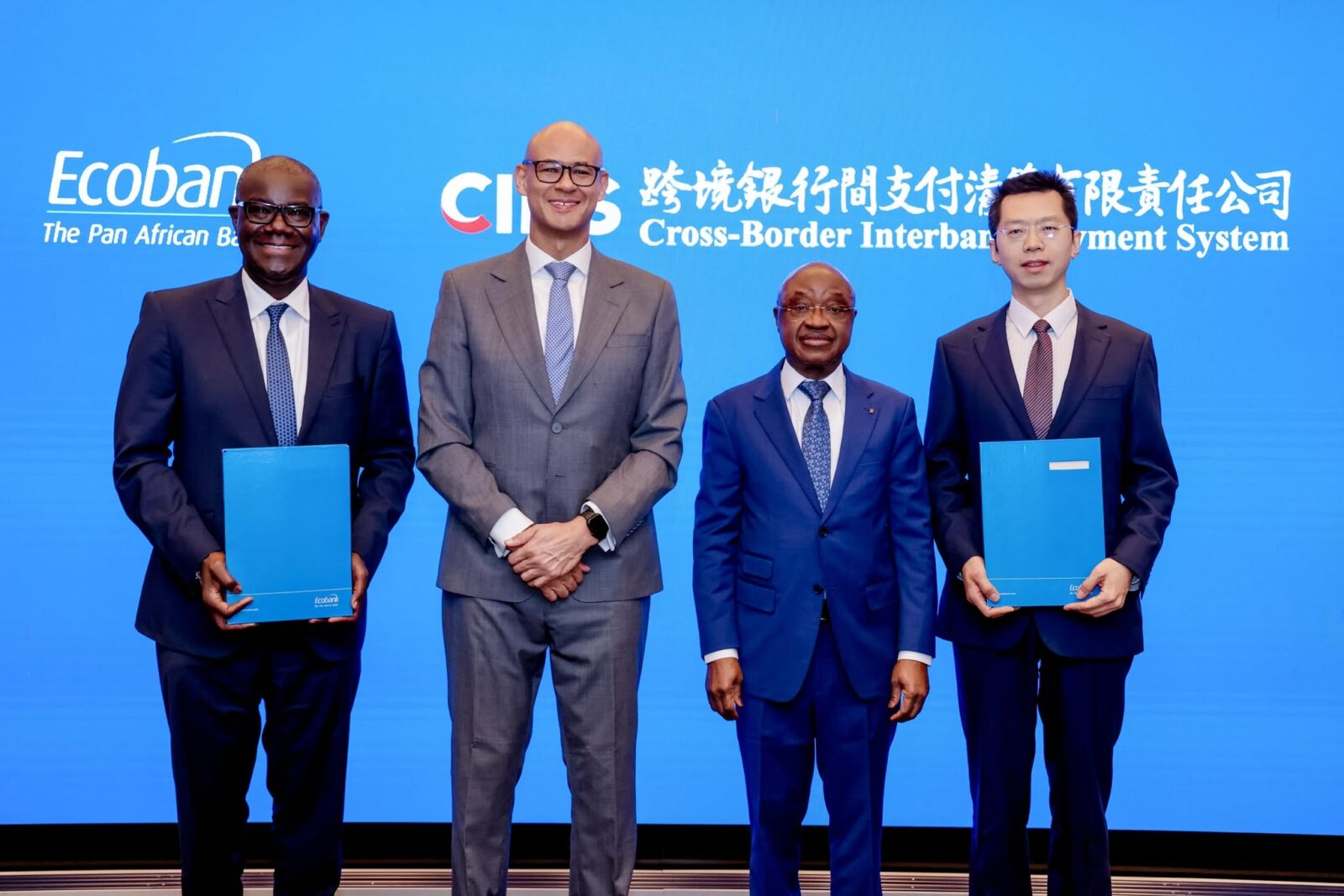
Beijing – Ecobank Group has signed a memorandum of understanding with China’s Cross Border Interbank Payment System (CIPS) to facilitate cross border transactions in renminbi (RMB), marking a new step in efforts to strengthen financial links between China and Africa.
The agreement was signed in Beijing, shortly after the pan African banking group opened new offices in China as part of its strategy to expand trade and business connections between the two regions.
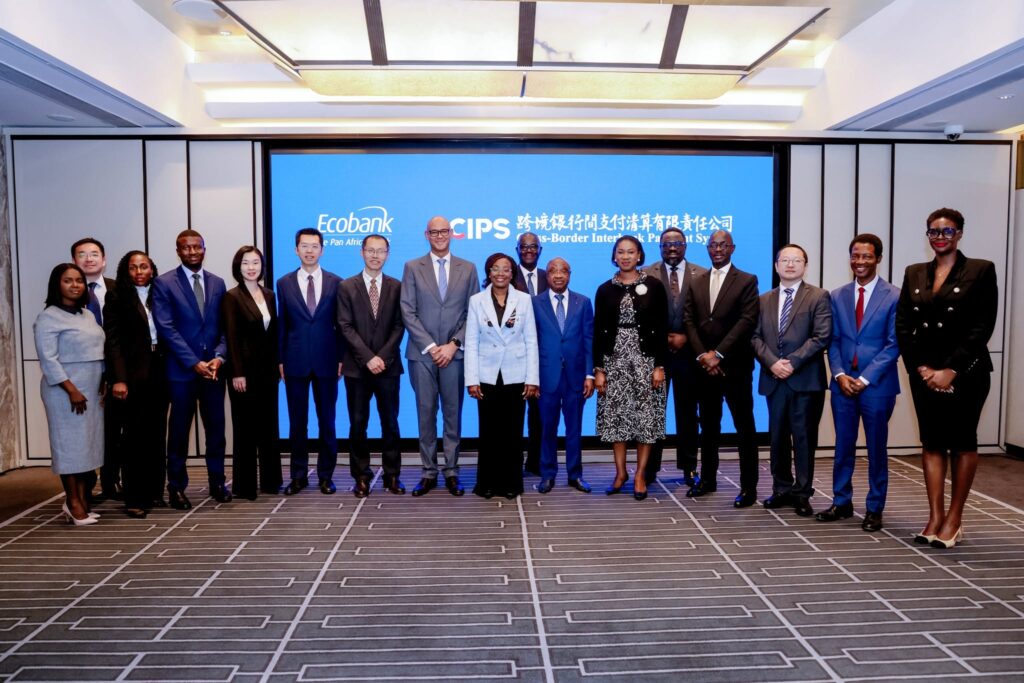
The signing ceremony took place during the official visit to China by the President of Togo’s Council of the Republic. Togo’s Minister of Finance and Budget and a representative of the People’s Bank of China also attended the event.
Their participation reflected support for closer economic cooperation between China and Togo, Ecobank’s home country, as well as broader financial and commercial ties with African markets.
CIPS is China’s financial infrastructure for processing cross border payments in renminbi, the country’s official currency. The system enables participating financial institutions to process international RMB transactions and supports the use of the currency in global trade.
Ecobank said the agreement is expected to offer practical benefits to its clients once the arrangement is implemented, including easier settlement in renminbi, greater flexibility for transactions linked to China and access to banking services through a single platform across its African network.
The proposed arrangement could be particularly relevant to African businesses importing goods from China, as well as companies involved in trade, investment and supply chains connecting the two markets. The extent of the benefits will depend on the implementation of the agreement and the services made available to clients.
The development comes as African governments and businesses seek to diversify trade partnerships, improve cross border payment arrangements and reduce obstacles to commercial transactions with international partners.
China remains a major trading partner for African countries, supplying machinery, manufactured goods, electronics and industrial equipment while importing commodities and other products from the continent.
Ecobank’s new Beijing office is intended to strengthen its engagement with Chinese clients and partners while creating more opportunities for businesses operating along the China Africa trade corridor.
During the office opening, the bank hosted clients and partners for discussions on expanding commercial relations between China and Africa. The programme included keynote speeches and panel discussions focused on local value creation, investment and stronger business connections.

















Leave a comment