


Johannesburg – South Africa’s Composers, Authors and Publishers Association (CAPASSO) has endorsed international principles calling for fair compensation, transparent licensing and stronger copyright protection for musicians whose work is used by generative artificial intelligence (AI) systems.
The endorsement comes as music publishers and rights organisations worldwide push for clearer rules governing how AI developers use copyrighted songs to train their systems and generate new music.
The principles were outlined in a joint statement issued on September 30, 2026, by the Independent Music Publishers International Forum (IMPF) and IMPEL. They address the valuation, licensing, attribution and payment of royalties for musical works used in developing and operating generative AI models.
CAPASSO, which represents composers, authors and music publishers, says AI companies must recognise the value of original compositions, including melodies, lyrics and other elements protected by copyright.
The association has backed five key principles designed to ensure that songwriters and music publishers are fairly treated as AI technology reshapes the global music industry.
One of the central proposals is that musical compositions should be valued at least equally with sound recordings when determining compensation for AI training and commercial use, unless other relevant factors justify a different valuation.
The distinction is significant because a song’s composition and its recorded version involve separate rights. Songwriters and publishers hold rights in the underlying music and lyrics, while master recording rights generally belong to record labels, artists or other recording owners.
CAPASSO argues that AI licensing arrangements should not repeat historical practices in which the value of the underlying song was overlooked in favour of the recorded performance.
The proposed principles also call for greater transparency throughout licensing agreements, including clear information about the works being licensed, how they are used, attribution requirements, deductions and the calculation and distribution of revenue.
Another provision distinguishes between payments for AI training, previous unlicensed use, music generated by AI systems and future commercial exploitation. This would allow rights holders to negotiate compensation for different uses rather than having them automatically covered by a single agreement.
The organisations also want licensing contracts to specify exactly what AI developers are permitted to do with copyrighted works. Permission granted for a limited pilot project or closed testing environment, for example, should not automatically extend to broader commercial applications.
In addition, the principles call for reliable tracking and attribution systems that enable rights holders to establish when their works have been used and receive appropriate royalties when AI-generated music is commercially exploited.
African musicians and copyright protection
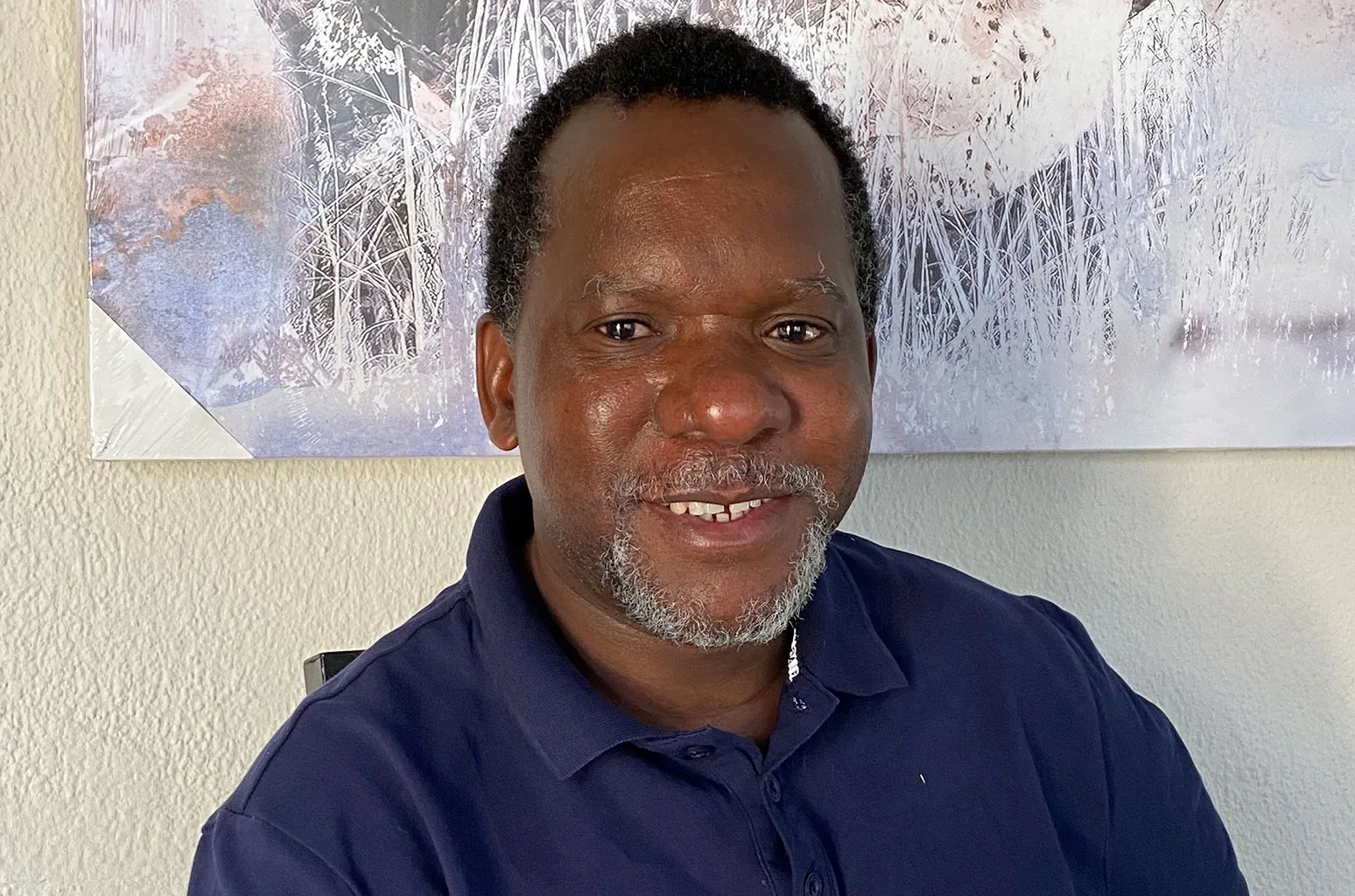
CAPASSO chief executive Jotam Matariro said technological progress should not come at the expense of musicians and other creative professionals.
“Generative AI represents a transformative frontier for the global music economy, but innovation must never come at the expense of creators,” CAPASSO CEO Jotam Matariro said. “For too long, digital revenue models undervalued the underlying song in favour of master recordings. We cannot allow generative AI to replicate that historical imbalance.
“At CAPASSO, we fully align and endorse what the IMPEL and IMPF [are] asserting in that the song must be valued equally with the recording in AI training and output models. African music creators are at the centre of global pop culture today, and their intellectual property must be recognised, protected and properly remunerated in every AI licensing agreement going forward.”
Matariro’s comments place African songwriters and publishers at the centre of the debate over how the benefits of AI technology should be distributed across the music industry.
African music has gained an increasingly prominent place in international markets, with artists and songwriters reaching audiences far beyond the continent. CAPASSO argues that creators must be adequately compensated when their work contributes to the development of AI systems or is used in commercially generated music.
Without effective licensing and attribution mechanisms, rights holders could struggle to establish whether their compositions have been used to train AI models or to secure payment when those systems generate commercial value.
CAPASSO seeks changes to South African law
Beyond supporting the international principles, CAPASSO is calling for reforms to South Africa’s copyright and regulatory framework to address the use of protected musical works by AI systems.
The association wants explicit copyright safeguards governing the use of musical compositions for AI training, including restrictions on the use of protected works without the necessary consent or licence.
It also supports retaining South Africa’s existing fair dealing protections and opposes expanding the framework into a broader fair use system that could permit commercial AI developers to train models on copyrighted material without paying creators.
The distinction is important because the rules governing exceptions to copyright can determine whether developers need permission to use protected works for particular purposes. CAPASSO’s position is that commercial AI training should not become a route through which creators lose control over their intellectual property or are denied compensation.
The organisation is also calling on AI developers to keep detailed records of copyrighted works used to train their systems and make relevant information available to rights holders.
Such records could help composers, publishers and other copyright owners identify the use of their material and determine whether licensing agreements and royalty payments are required.
CAPASSO further supports the development of tracking and attribution technologies through cooperation between collective management organisations, copyright holders and AI platforms.
Collective management organisations administer rights and collect royalties on behalf of creators and publishers. Their involvement could help establish licensing arrangements covering multiple countries, reducing the difficulty of negotiating separate agreements across different markets.
The association wants organisations such as CAPASSO to be supported in negotiating multi-territorial and pan-African licensing agreements for AI-related uses of music.
The proposed agreements would cover compensation for the use of musical works in AI training as well as revenue generated through subsequent commercial exploitation.











Leave a comment