


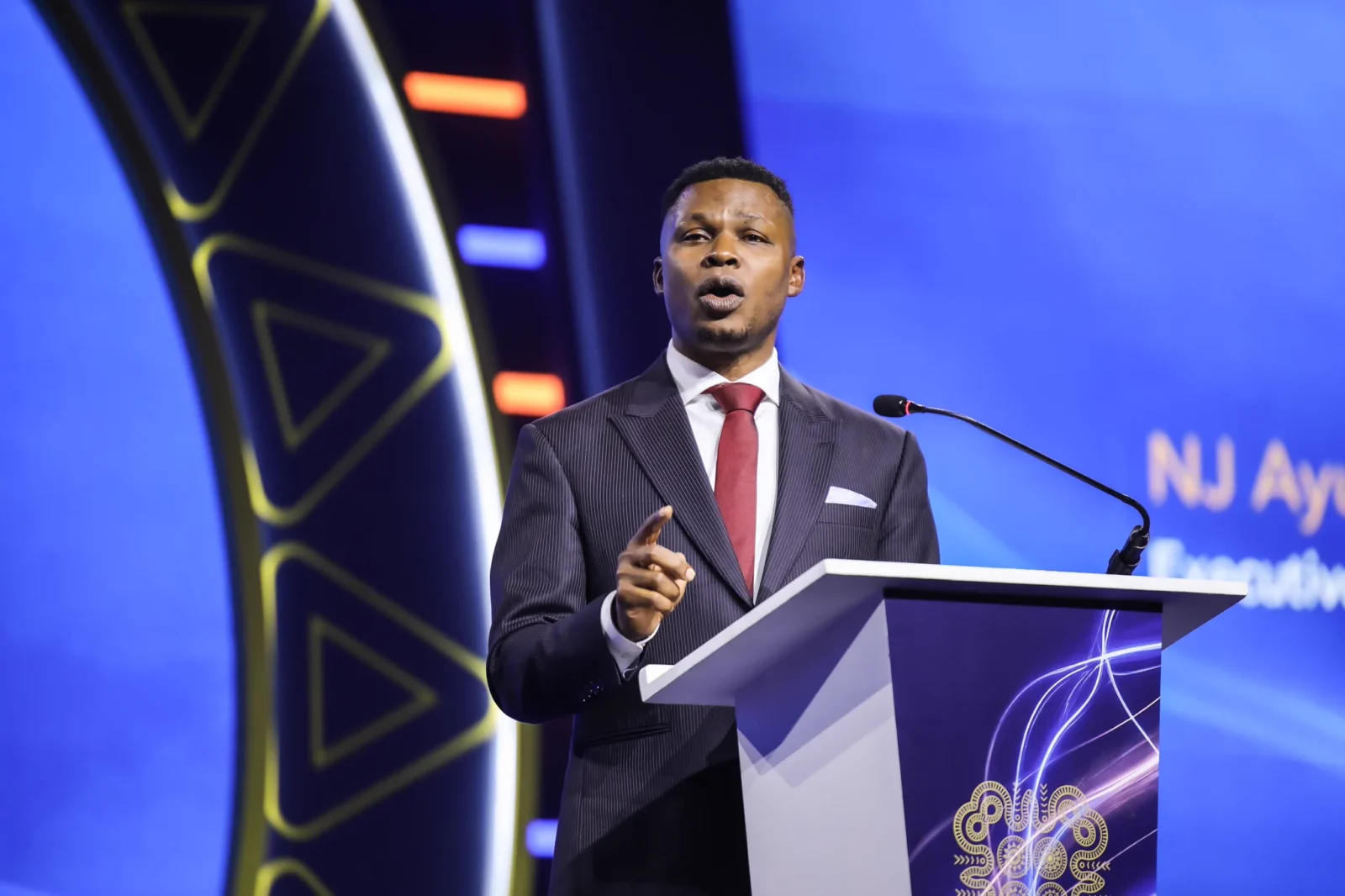
CAPE TOWN, South Africa: African Energy Chamber Executive Chairman NJ Ayuk has called on African governments to accelerate oil and gas exploration, reform regulations and attract investment, arguing that the continent must determine its own energy future rather than follow transition policies designed by wealthier economies.
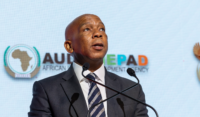
Speaking at the opening ceremony of African Energy Week (AEW) 2026 in Cape Town, Ayuk said Africa needed to prioritise affordable electricity, industrial development and job creation as it sought to address energy poverty across a population of more than 1.4 billion people.
“Africa is no longer asking for permission,” Ayuk declared, calling for African countries to exercise greater control over decisions concerning their natural resources.
He criticised foreign governments, international institutions and climate campaigners for advocating restrictions on African oil and gas development while industrialised economies continued to grapple with their own energy needs.
“For many years global elites have flown into Africa and have told us how to manage our backlog. They came with beautiful slides, lofty slogans and empty promises, telling us to keep our resources in the ground. “They preach the gospel of transition that looks like the gospel of austerity.”
Ayuk argued that Africa should establish an energy transition that reflects its economic circumstances, rather than adopt timelines developed for wealthy countries.
“We will build our own transition,” he said.
The chamber executive chairman maintained that the continent needed additional electricity generation, pipelines, factories and transmission infrastructure to support economic growth and improve access to reliable power.
“We are in the business of energy additions. This conference is about energy additions. We have 1.4-billion people in Africa and we need to power them.
“We need pipelines, we need factories, we need lights.
“We are going to build that unapologetically, with our own strategies.”
Ayuk’s remarks came as energy security returned to the centre of international discussions, with disruptions in the Middle East demonstrating the importance of reliable supplies, infrastructure and investment.
He called for increased exploration in established and emerging petroleum-producing regions, alongside efforts to improve existing operations, develop new discoveries and update contracts to sustain production.
“Exploration is the absolute key to our survival . . . Africa is not asking permission to develop our resources.”
He also said Africa could not afford to restrict new exploration while mature oilfields experienced declining output and millions of people remained without reliable electricity.
South Africa urged to open Orange Basin
South Africa received a direct call to accelerate regulatory reforms and remove obstacles to petroleum exploration in the Orange Basin, a major offshore sedimentary and petroleum basin extending along the south-western Atlantic coast of South Africa and Namibia.
Ayuk said Namibia was advancing its offshore petroleum ambitions while exploration opportunities on the South African side remained constrained by legal, regulatory and permitting challenges.
He also referred to objections from environmental groups and fishing communities as part of the challenges facing development.
“The South African government must step up, pass the laws and completely open up the potential of the basin,” Ayuk said.
He argued that the Orange Basin could provide significant opportunities for South Africa if the government established a regulatory environment capable of attracting investment and allowing commercially viable projects to proceed.
“The Orange basin “must no longer be left stranded…with 80% of the basin right here in South Africa.”
The basin covers approximately 300,000 square kilometres and is regarded as an important offshore petroleum province shared by South Africa and Namibia.
Ayuk said governments across Africa needed to offer investors predictable regulations, competitive fiscal arrangements and efficient approval procedures if they expected companies to commit substantial capital to exploration and production.
African Energy Bank and refining capacity
Financing was another major issue in Ayuk’s address, with the executive chairman welcoming progress towards establishing the African Energy Bank.
He described the proposed institution as a potential source of funding for African oil and gas projects that have struggled to secure capital from international financial institutions.
Ayuk paid tribute to Professor Benedict Oramah for supporting the initiative, recalling discussions dating back to 2021 when the idea of creating a dedicated African energy financing institution was gaining momentum.
He argued that African countries needed greater control over the financing of their energy development, particularly as some international lenders adopted restrictive positions on fossil fuel projects.
Ayuk questioned what he described as inconsistencies in global energy financing, pointing to the importance attached to natural gas in European energy security while similar investments in Africa faced opposition.
The proposed bank, he said, could expand access to capital and enable African companies to participate more actively in developing the continent’s petroleum resources.
He also called for greater investment in refining, citing Nigeria’s Dangote refinery as an example of the benefits of processing crude oil within Africa.
According to Ayuk, increased domestic refining capacity could reduce dependence on imported petroleum products, strengthen fuel security and support industrialisation.
He urged governments to create conditions that would allow more African countries to process their own resources and retain a greater share of the economic value generated by the energy sector.
Nigeria, Angola and Libya recognised
Ayuk acknowledged the contributions of established African energy producers, including Nigeria, Algeria, Angola, Libya and Egypt.
He praised Nigeria’s reform efforts and Angola’s investment incentives, pointing to agreements signed during a recent visit to Angola as an example of how governments could create opportunities for commercial cooperation.
He also welcomed a high-level Venezuelan delegation at the conference, expressing support for efforts to revive the country’s petroleum industry.
Ayuk said cooperation between energy-producing countries in the Global South could encourage investment, facilitate the exchange of expertise and strengthen their collective position in international markets.
Cameroon, his home country, also featured in his remarks. He welcomed the country’s new exploration licensing round and plans for a major data centre project, presenting them as opportunities to attract investment across both traditional energy and emerging infrastructure industries.
Warning against xenophobia and resource nationalism
Beyond energy policy, Ayuk called for stronger African unity, condemning xenophobia and Afrophobia and warning that hostility towards fellow Africans could undermine regional economic cooperation.
“When foreign nationals and fellow Africans face hostility, it is a stain on our collective conscience,” he said.
He urged governments, businesses and citizens to oppose violence and discrimination against people from other African countries, referring to South African President Cyril Ramaphosa’s opposition to xenophobia.
Ayuk said the energy industry depended on cooperation across national borders, with major projects requiring the movement of skilled workers, technology, equipment and investment.
He warned that hostility towards foreign nationals could weaken the regional relationships needed to develop infrastructure and expand economic opportunities.
The chamber chairman also cautioned against excessive resource nationalism, arguing that unpredictable regulations and poorly designed local content requirements could discourage investment and make projects commercially unviable.
While supporting greater participation by African businesses, he said governments needed to balance local economic interests with the need to attract international capital, technical expertise and technology.
“Isolation is economic suicide,” he warned.
Ayuk called for policies that enabled African businesses to grow alongside international investors, creating jobs, building technical capacity and delivering lasting benefits to host communities.
He also criticised bureaucratic delays and urged governments to honour agreements already signed with investors rather than change the rules during the implementation of projects.
“Be a nation of builders, not bureaucrats.”
Call to invest in young people and women
Ayuk also called for greater opportunities for young Africans and women in the energy industry, saying the sector needed to do more to recognise their skills and develop future leaders.
He urged experienced executives to mentor emerging professionals, open doors for young talent and help them overcome barriers to career advancement.
He said Africa’s energy ambitions required investment not only in natural resources and infrastructure, but also in the people who would manage and develop the industry in the years ahead.
Ayuk’s address included a forceful challenge to the conventional approach to the global energy transition. During the opening ceremony, a climate activist interrupted him while holding a placard reading “stop Africa exploitation week”.
The incident reflected the competing positions surrounding African petroleum development, with proponents of increased exploration arguing that oil and gas investment remains necessary for industrialisation and energy access, while environmental campaigners have raised concerns about the climate and environmental consequences.
Ayuk closed his address with the rallying cry, “Drill, baby, drill,” calling for expanded exploration and production as part of Africa’s effort to tackle energy poverty and build stronger economies.





Leave a comment