


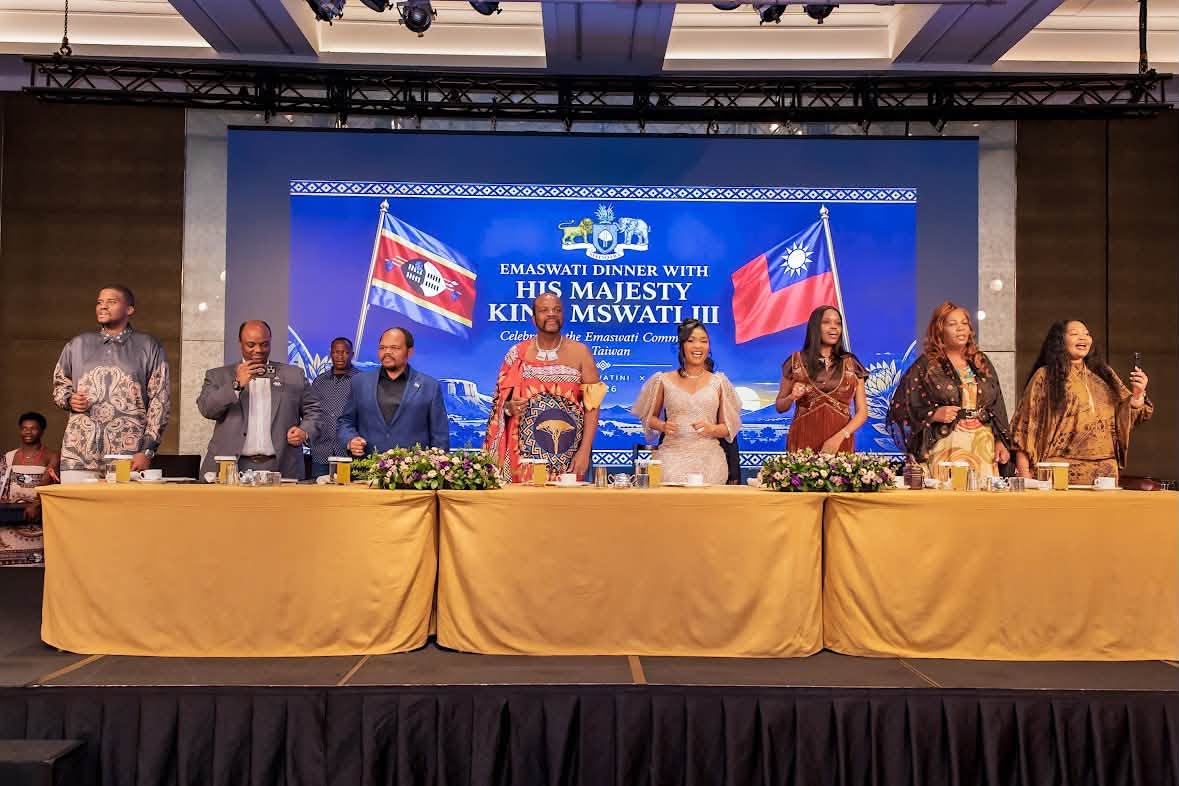
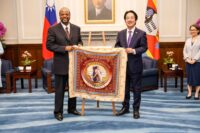
TAIPEI, Taiwan – His Majesty King Mswati III has called on the government and emaSwati living and working in Taiwan to help Eswatini develop industrial parks across the country, urging them to draw lessons from Taiwan’s economic progress and identify sustainable ways of financing large scale development projects.
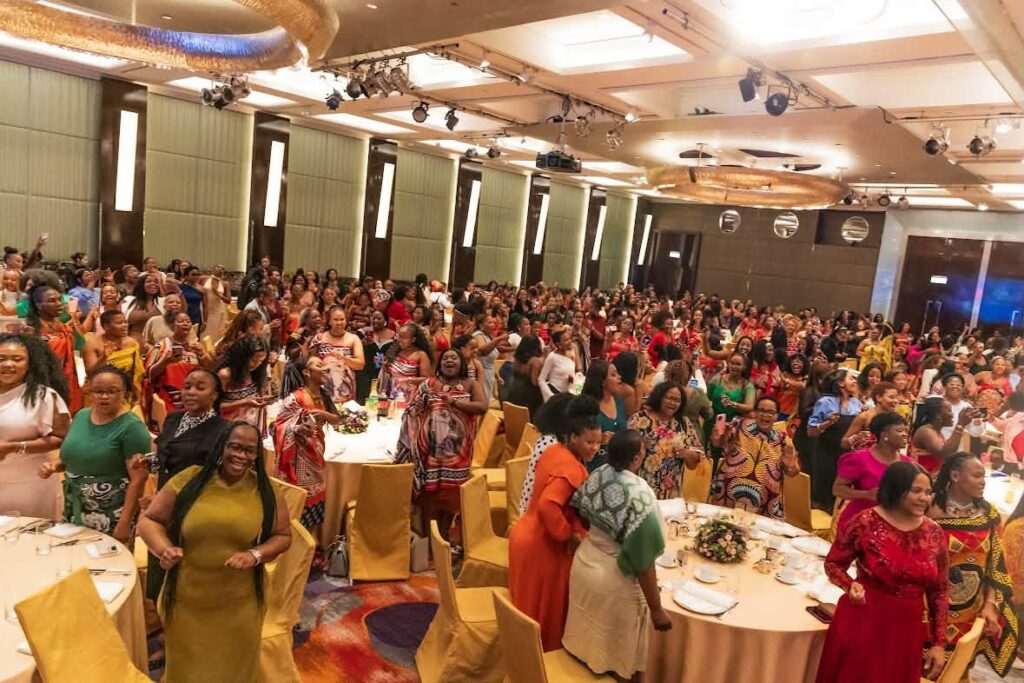
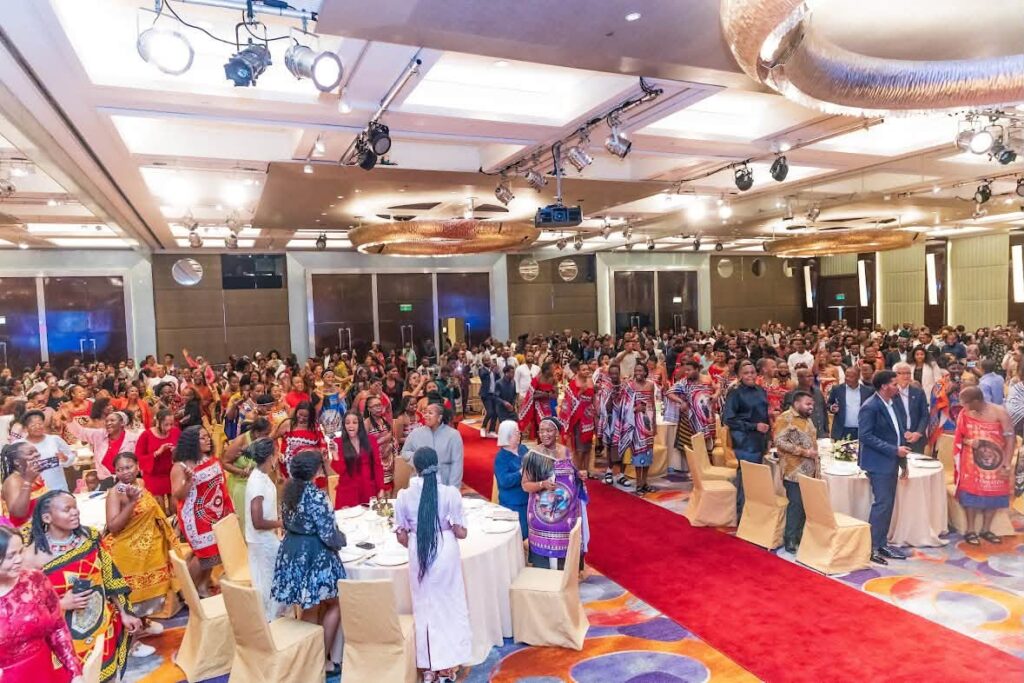
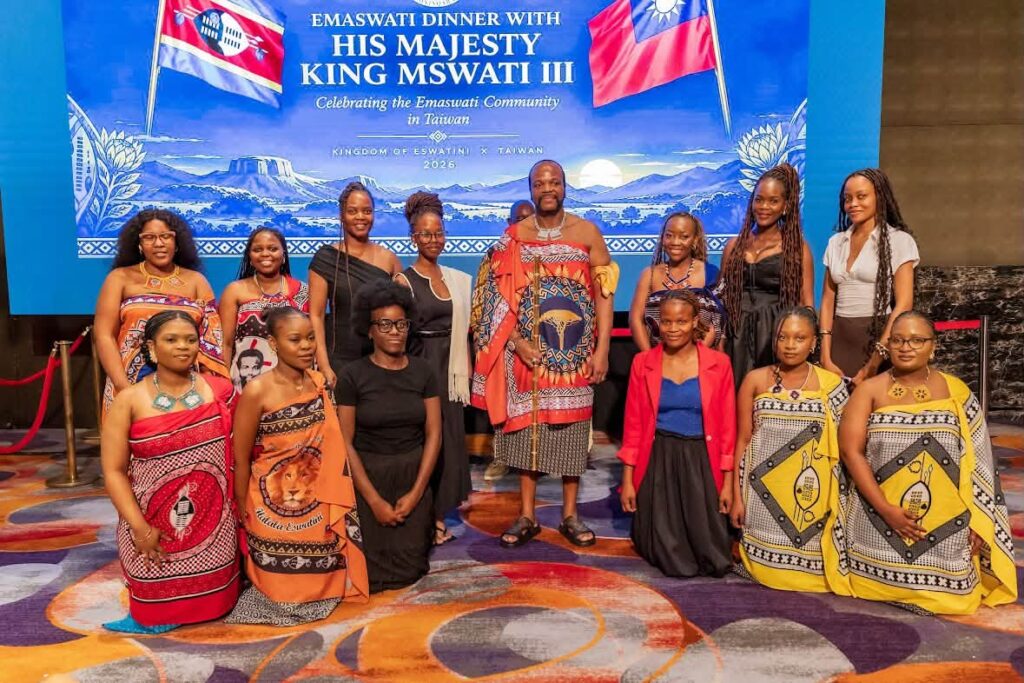
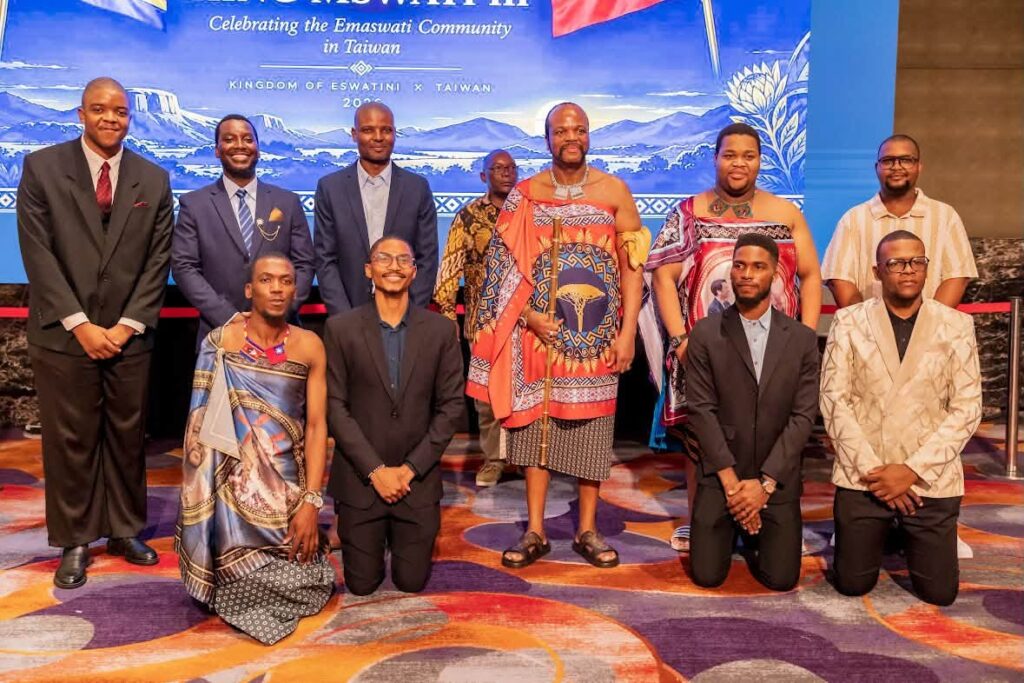
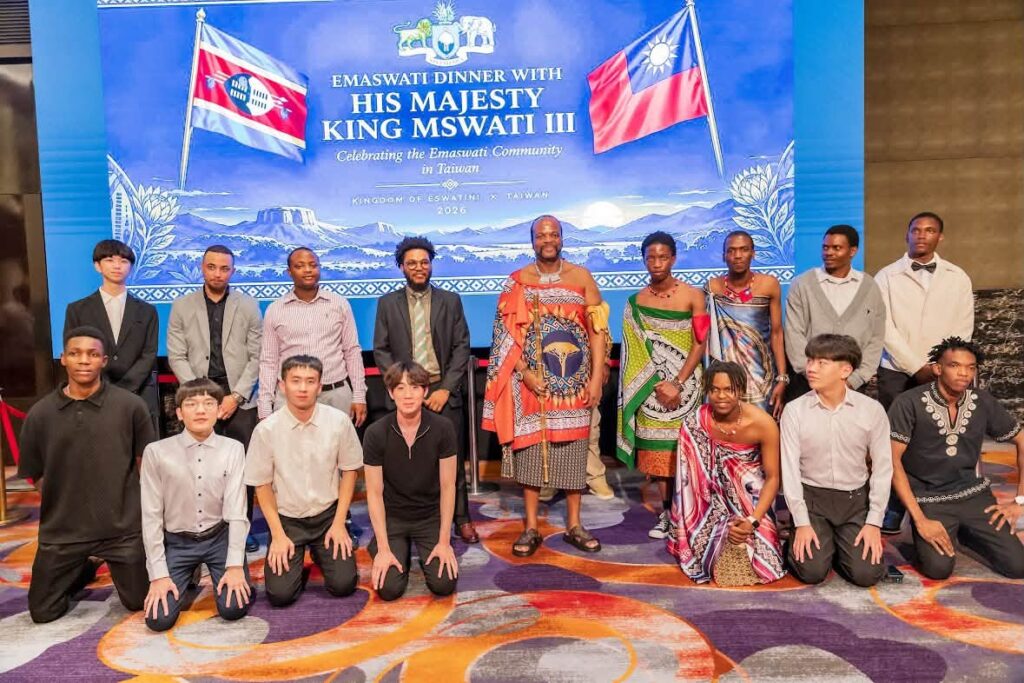
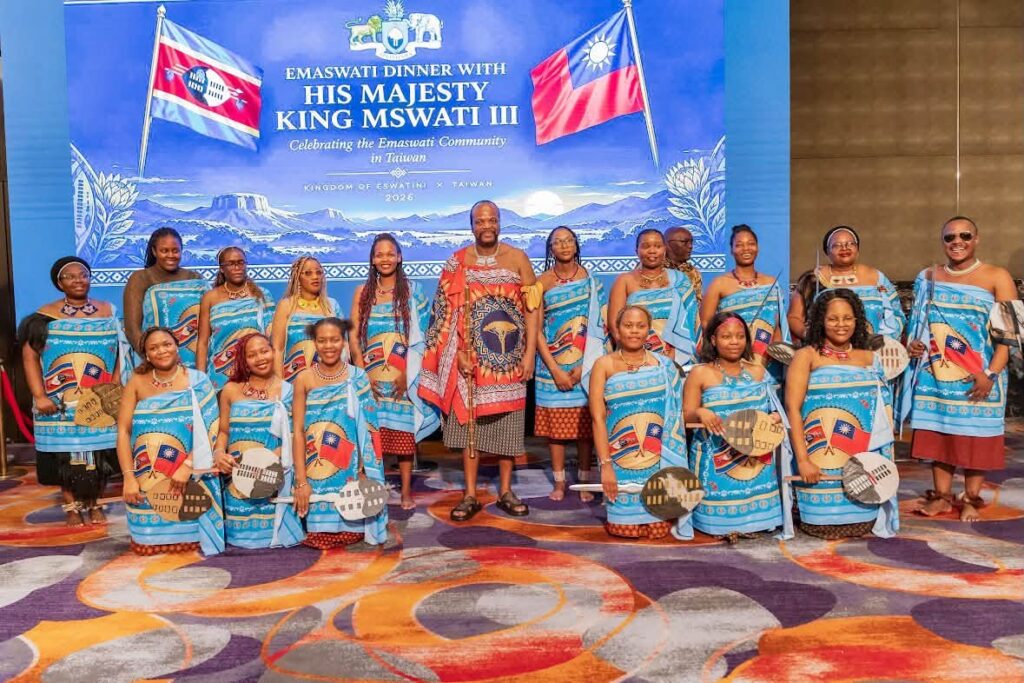
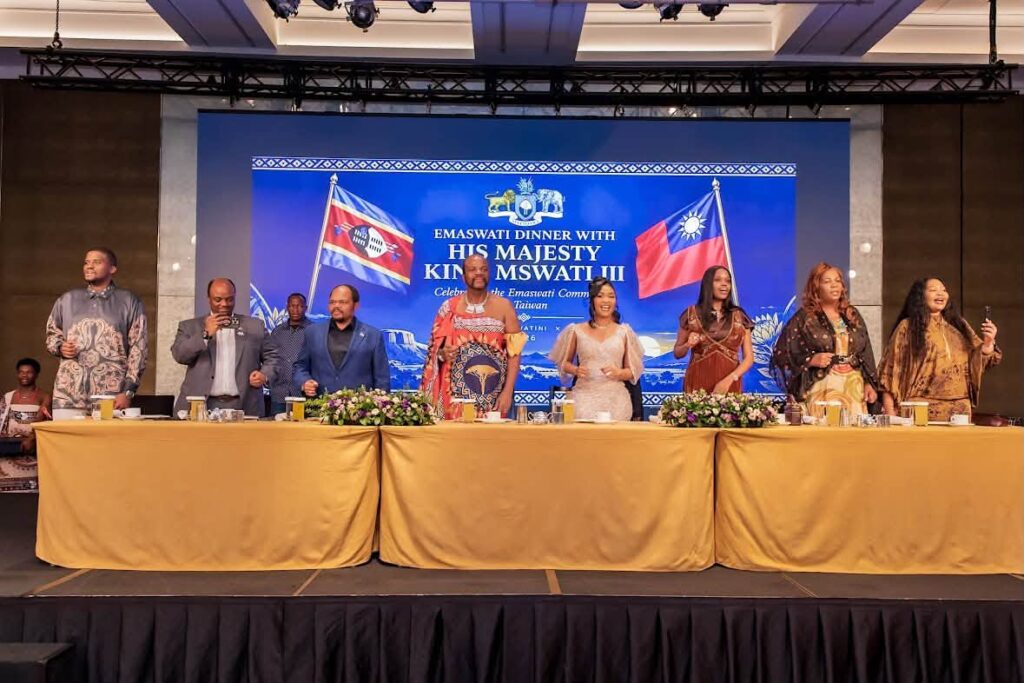
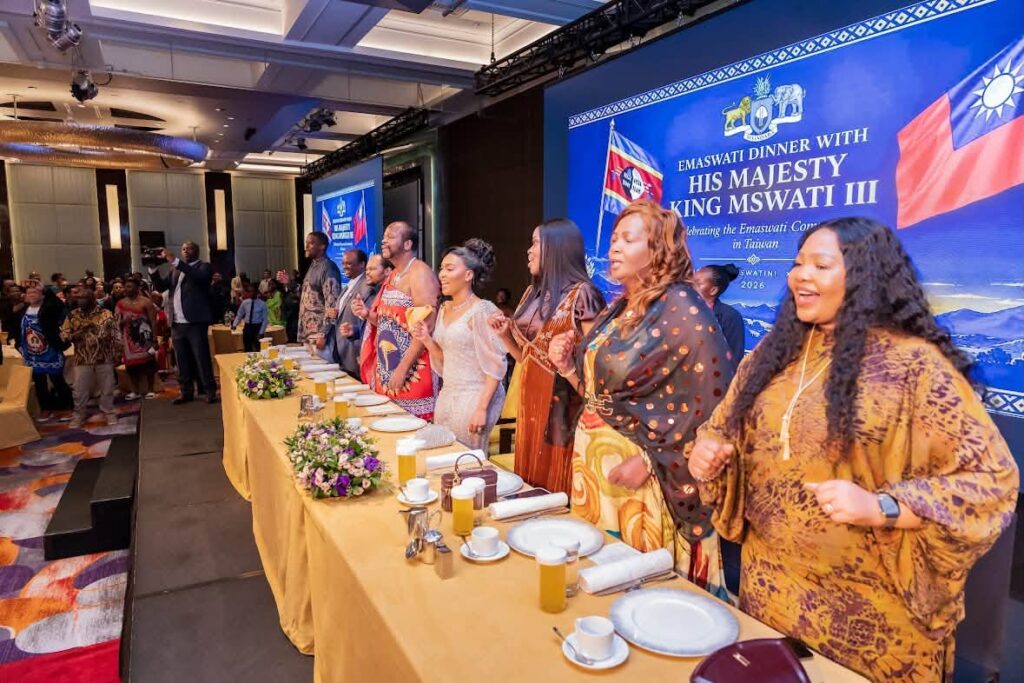
The King made the call during a dinner with emaSwati students and citizens employed in Taiwan, where he discussed the proposed E6 billion Taiwan Industrial and Innovation Park (TIIP), a flagship project expected to strengthen economic cooperation between Eswatini and the Republic of China (Taiwan).
He said the planned development should serve as a benchmark for a broader industrialisation strategy, with the government exploring four additional regional industrial parks to spread investment, manufacturing and employment opportunities across the kingdom.
According to the King, the TIIP is being designed as an integrated development rather than simply a site for factories. Its proposed components include industrial facilities, residential areas, energy infrastructure and supporting services intended to attract investors and stimulate job creation.
However, he cautioned that Eswatini’s current electricity capacity could constrain the expansion of industrial activity, making reliable energy supply a central consideration in the planning of the project.
The King said discussions between Eswatini and Taiwan had explored various energy options, including solar, wind and biomass, alongside other renewable energy solutions. He noted the global shift towards cleaner energy while pointing to the need for Eswatini to responsibly utilise available resources, including coal, to support industrial development.
He welcomed the assurances received from Taiwan regarding the TIIP, describing the project as an opportunity to expand employment, strengthen manufacturing and facilitate technology transfer.
The King said the country should not limit its ambitions to a single industrial park, explaining that the government was considering four more regional developments that would need to meet or exceed the standards envisaged for the E6 billion project.
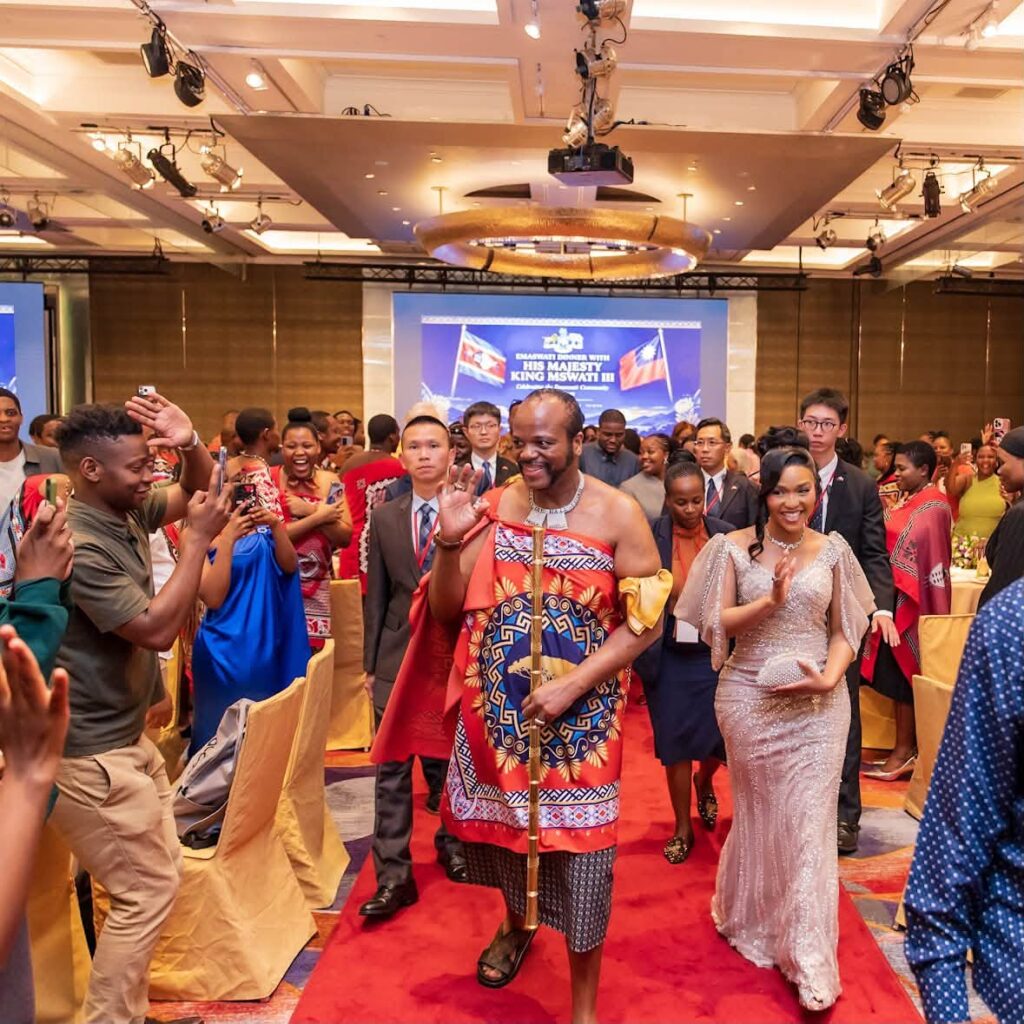
“We are talking billions here,” the King told the gathering.
He said government ministries had been tasked with developing proposals for projects capable of matching or surpassing the scale of the TIIP, adding that industrialisation must extend beyond one location to bring economic opportunities closer to communities throughout Eswatini.
The King said securing the necessary funding would be one of the biggest challenges, requiring the country to move beyond unsustainable financing methods and consider alternative approaches.
He called for bankable investment proposals, innovative financing models and expertise in structuring complex developments involving industrial facilities, housing, healthcare, education and supporting infrastructure.
Addressing emaSwati in Taiwan, the King urged them to channel their ideas through the Eswatini Embassy and use their exposure to Taiwan’s advanced economy to contribute to national development.
He said students and professionals in engineering, technology, energy, finance, healthcare and industrial planning were particularly well placed to help the kingdom develop the technical capacity required to compete in the global economy.
Taiwan’s progress in semiconductors, satellite technology, manufacturing and innovation, he said, offered valuable lessons for Eswatini as it seeks to translate its development ambitions into practical outcomes.
The King encouraged emaSwati living abroad to learn from Taiwan’s systems, acquire relevant skills and apply their knowledge to projects at home.
He also commended Eswatini students and workers for their conduct in Taiwan, saying their discipline, respect and behaviour had helped create a positive impression of the kingdom among their Taiwanese hosts.
He said he had received positive feedback about emaSwati, urging them to maintain the standards expected of citizens representing their country internationally.
The King noted that students were pursuing their studies while those employed in Taiwan were adapting to their workplaces, including learning Mandarin and integrating into the local working environment.
He said their experiences demonstrated the ability of emaSwati to operate in international settings and acquire knowledge from more advanced economies.
The proposed TIIP and four additional regional industrial parks form part of Eswatini’s wider ambition to accelerate industrialisation, attract investment, create employment and advance the kingdom’s aspiration of attaining First World status.






Leave a comment