


CAPE TOWN, South Africa, 12 October 2026 Africa is looking to strengthen cross border electricity networks as rising energy demand and industrialisation increase pressure on countries to secure reliable and affordable power for businesses and households.
Regional electricity markets are gaining importance as governments seek to pool energy resources, improve supply reliability and expand opportunities for investment in power generation, transmission and industrial development.
Rather than relying solely on new power stations, the continent is increasingly recognising the value of connecting national electricity systems so that surplus power in one country can help meet shortages in another.
Africa advances a single electricity market
The African Union Commission took another step towards continental electricity integration in September 2026 when it convened the inaugural meeting of the African Single Electricity Market’s High Level Technical Oversight Committee in Addis Ababa, Ethiopia.
The initiative seeks to bring national electricity markets closer together and expand cross border trading, creating a more connected system through which countries can share electricity and make better use of available generation capacity.
Several regional power pools are already advancing this agenda. Fourteen countries are interconnected through the West African Power Pool, while the Eastern Africa Power Pool recorded approximately 3,200 gigawatt hours of electricity trading in 2024, an elevenfold increase from the level recorded in 2010.
Southern Africa also operates a competitive regional electricity market through the Southern African Power Pool, providing a platform for participating countries to trade electricity and coordinate the use of available resources.
Financing for transmission infrastructure is also growing. In June 2026, the World Bank approved a US$1.6 billion financing package to support regional energy transmission, electricity trading and decarbonisation in Eastern Africa.
The following month, the bank announced a US$43 million grant for the Zambia to Malawi Interconnector Project. The project is intended to improve electricity security and create opportunities for increased regional power trading.
These investments reflect the growing importance of transmission infrastructure in efforts to connect electricity markets, reduce supply constraints and support economic development.
Southern Africa targets stronger electricity links
The Southern African Development Community (SADC) continues to prioritise cross border electricity connectivity through several proposed and ongoing interconnector projects.
Among the initiatives are the Angola to Namibia, Tanzania to Zambia, Malawi to Mozambique, Mozambique to Zambia and ZIZABONA interconnectors.
The projects are intended to strengthen electricity links between countries with different generation capacities, energy resources and consumption patterns.
Stronger regional connections could benefit manufacturing, mining, mineral beneficiation and agricultural processing, sectors that depend on dependable electricity to operate efficiently and remain competitive.
For countries seeking to develop their mineral resources beyond extraction and export, reliable power supplies are particularly important. Processing minerals locally requires substantial and consistent electricity, making regional energy cooperation a potential contributor to industrial development.
However, expanding transmission infrastructure is only one part of building an effective regional electricity market.
Governments must also work towards compatible regulatory frameworks, transparent electricity pricing and greater certainty for investors. Financially sustainable utilities are equally important to ensure that electricity providers can maintain infrastructure, meet their obligations and participate effectively in cross border trading.
Without progress in these areas, new interconnectors may struggle to deliver their full economic benefits.
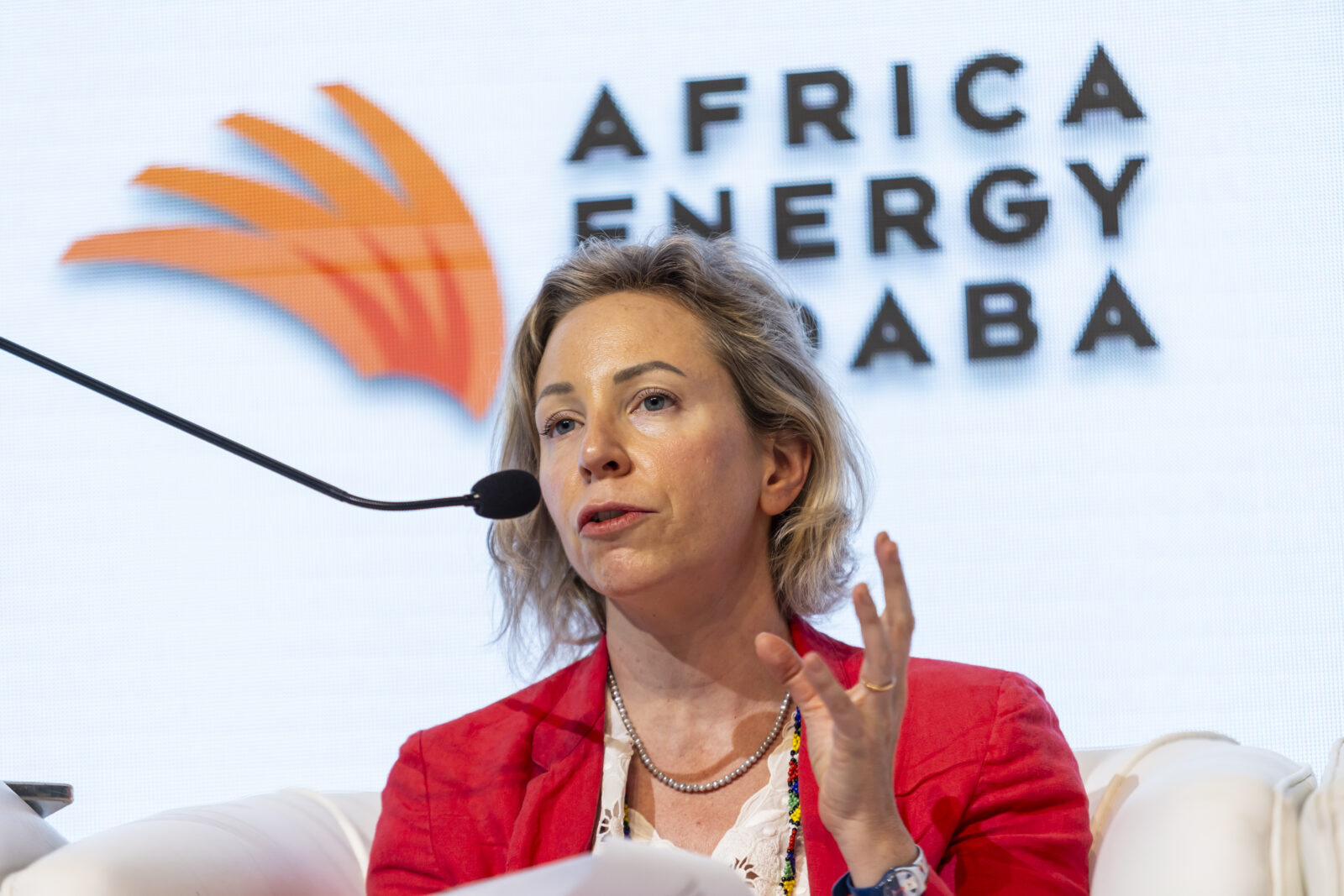
Liz Hart, Managing Director of the Africa Energy Indaba, said closer regional cooperation could open up significant opportunities for African economies.
“Africa’s energy challenge is not only about generating more electricity but ensuring that power reaches where it is needed. Stronger regional electricity markets can unlock investment, improve energy security and create new opportunities for industrial growth. The priority is turning this potential into practical projects and lasting partnerships.”
Africa Energy Indaba to examine regional integration
Regional power pools, cross border electricity trading and investment in transmission infrastructure will feature in discussions at the 19th Africa Energy Indaba, scheduled for 2 to 4 March 2027 at the Cape Town International Convention Centre in South Africa.
Held under the theme “African Energy – Pathways to Prosperity: Connectedness and Cooperation,” the event will bring together policymakers, utilities, investors, financiers and energy developers to consider practical approaches to advancing Africa’s energy sector.













Leave a comment