


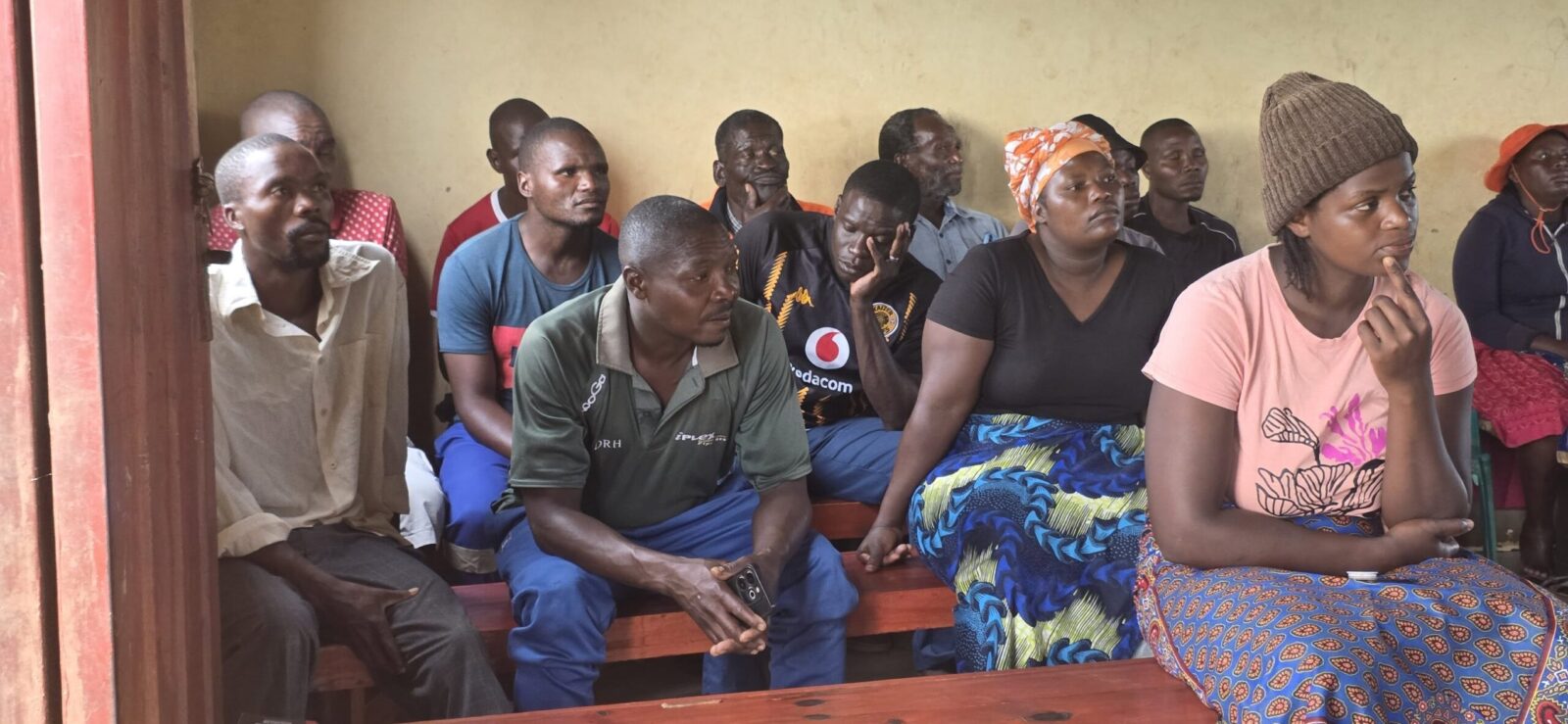
Families in Bhandeni, a remote community in Lomahasha near the Mozambique border, are beginning to see improved access to safe water, sanitation and hygiene services through ongoing interventions led by UNICEF Eswatini.
The initiative is being carried out in partnership with the Ministry of Natural Resources, with support from the people of Japan, targeting long standing challenges faced by the rural community.
Residents have been trained to build toilets using locally available materials, produce soap and adopt proper handwashing practices. Efforts to protect key water sources are also underway as part of a broader programme to improve health conditions and restore dignity among households.
Community members have welcomed the intervention, stating that Bhandeni has often been overlooked despite facing serious development challenges.
Despite progress in water, sanitation and hygiene, the area continues to face limited access to essential services. Healthcare remains a major concern, with the nearest health facility located about two and a half hours away, making it difficult for residents to access timely medical assistance.
Children in the community are among the most affected. Many begin their day as early as 4:30 in the morning, travelling long distances to attend school. A parent in the area said young learners often arrive too tired to fully participate, putting them at a disadvantage compared to others.
The long distances have forced some families to send their children to stay closer to schools, separating them from their parents and exposing them to additional risks.
Poor road infrastructure continues to worsen the situation, particularly during the rainy season when routes become impassable, cutting off access to essential services and opportunities.
UNICEF said it will continue working with partners to ensure that children in remote communities such as Bhandeni have access to basic services, protection and opportunities needed for their development.











Leave a comment