


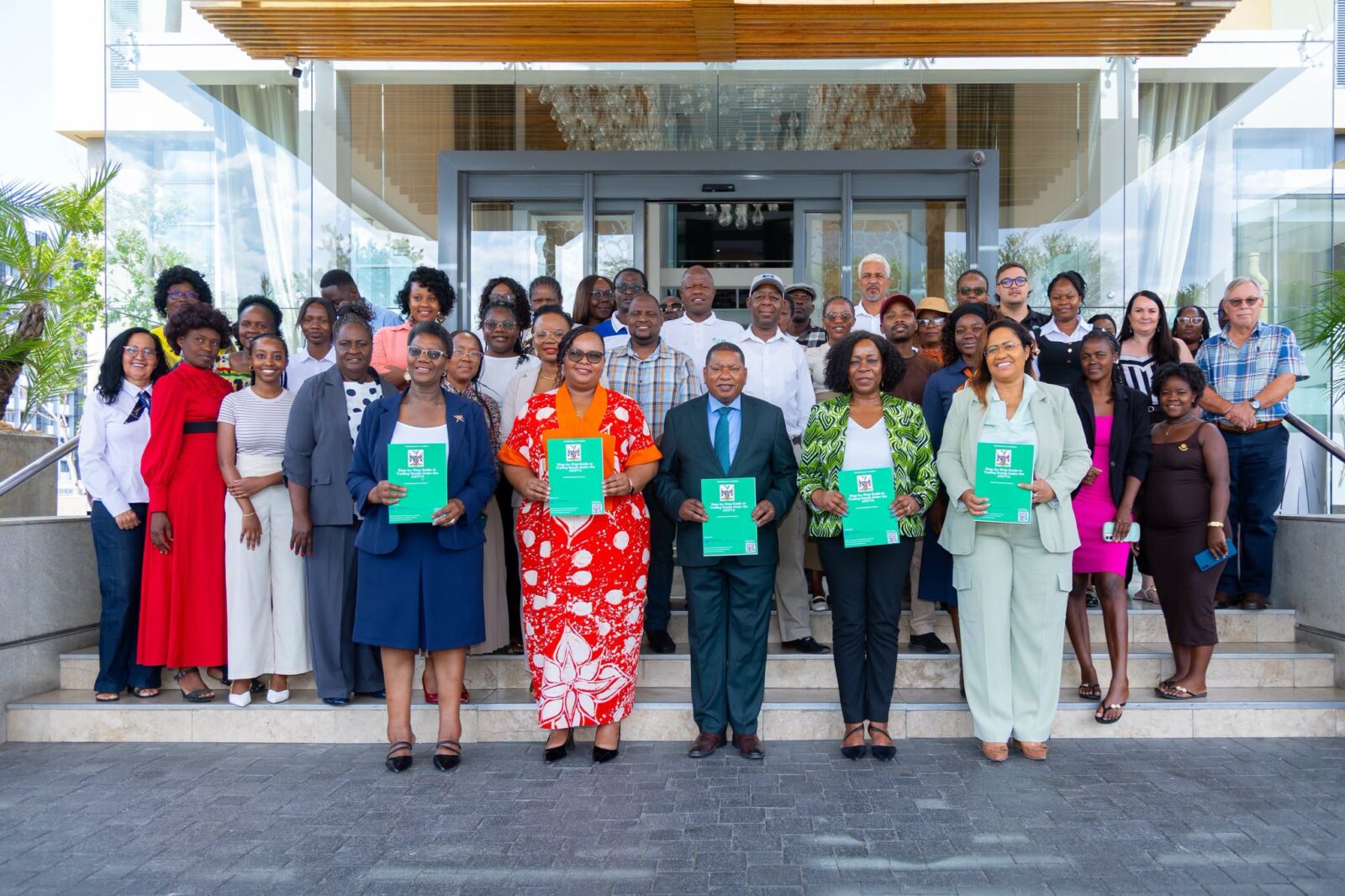
WINDHOEK, Namibia, 10 November 2026 – Namibia has introduced a new trade guide designed to help local businesses navigate the African Continental Free Trade Area (AfCFTA) and access commercial opportunities across the continent.
The Step-by-Step Guide to Trading in Goods under the AfCFTA was officially launched in Windhoek on 9 November 2026, bringing together government officials, private-sector representatives, development partners and other stakeholders working to advance regional economic integration.
The publication provides practical information for businesses seeking to trade beyond Namibia’s borders, covering export and import procedures, rules of origin, regulatory requirements and the processes involved in accessing preferential markets under the continental trade agreement.
The initiative is intended to make the AfCFTA more accessible to businesses, particularly micro, small and medium-sized enterprises (MSMEs), which often face difficulties understanding and complying with cross-border trade requirements.
Speaking at the launch, Ambassador Jerobeam Shaanika, Executive Director of Namibia’s Ministry of International Relations and Trade, called for greater efforts to translate the opportunities created by the continental agreement into tangible benefits for businesses and ordinary citizens.
He pointed to the importance of ensuring that regional integration extends beyond policy discussions and creates practical opportunities for enterprises seeking to participate in Africa’s expanding market.
Ms Eunice G. Kamwendo, Director of the United Nations Economic Commission for Africa (ECA) Sub-Regional Office for Southern Africa, said businesses needed to progress from simply understanding the AfCFTA to actively using the agreement to expand their operations.
“Governments negotiate trade agreements, but businesses trade,” she said.
Kamwendo called for stronger export preparedness, improved access to market intelligence, compliance with trade regulations and greater participation by the private sector.
She noted that the success of the continental trade framework would depend significantly on whether African businesses could position themselves to take advantage of the opportunities available across national borders.
Ms Patty Karuihe-Martin, First Vice-President of the Namibia Chamber of Commerce and Industry (NCCI), also called on the private sector to take a leading role in converting the AfCFTA’s policy framework into commercial activity, investment, employment and economic growth.
“Trade agreements on their own do does not create prosperity, businesses do.”
The guide was developed with technical assistance from the ECA and financial support from the Government of Japan. It brings together essential information on trading under the AfCFTA while directing businesses to important continental trade facilitation resources and tools.
Namibia has already taken steps towards implementing the agreement. In June 2025, the country dispatched its first export consignment under the AfCFTA, shipping salt to Nigeria.
The development marked an important step in Namibia’s participation in the continental trading arrangement and demonstrated the potential for local producers to reach markets in other African countries.
The latest initiative seeks to build on that progress by equipping more Namibian enterprises with the knowledge and resources required to identify export opportunities, meet trade requirements and establish commercial relationships across Africa.
The Government of Namibia, the ECA and the NCCI have encouraged businesses, particularly MSMEs, to make use of the publication as a practical resource for expanding beyond the domestic market.














Leave a comment