


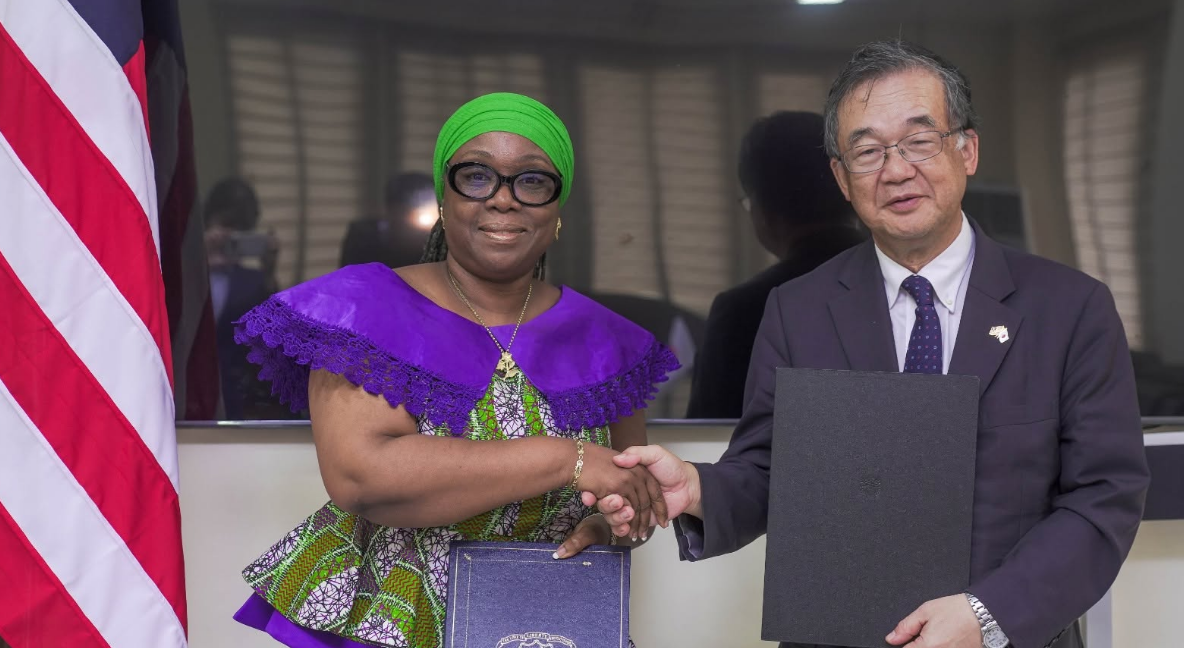
Monrovia, Liberia – Japan has signed a 250 million Japanese yen food assistance agreement with Liberia, strengthening bilateral cooperation on food security while recognising reforms introduced by Foreign Minister Sara Beysolow Nyanti to improve the management of development assistance.
The agreement was signed on Monday, November 2, 2026, by Nyanti on behalf of the Liberian Government and Japan’s Ambassador to Liberia, Hiroshi Yoshimoto, representing the Japanese Government.
Speaking at the signing ceremony in Monrovia, Ambassador Yoshimoto commended Nyanti for spearheading institutional reforms aimed at strengthening the management and oversight of the Japanese Counterpart Value Fund Secretariat.
He said the changes were designed to improve the effectiveness, transparency and sustainability of Japanese development assistance to Liberia.
One of the major reforms involved introducing a new management guide to strengthen supervision and implementation of the fund. The changes also provide for the transfer of management responsibilities from the Ministry of Foreign Affairs to the Ministry of Commerce and Industry.
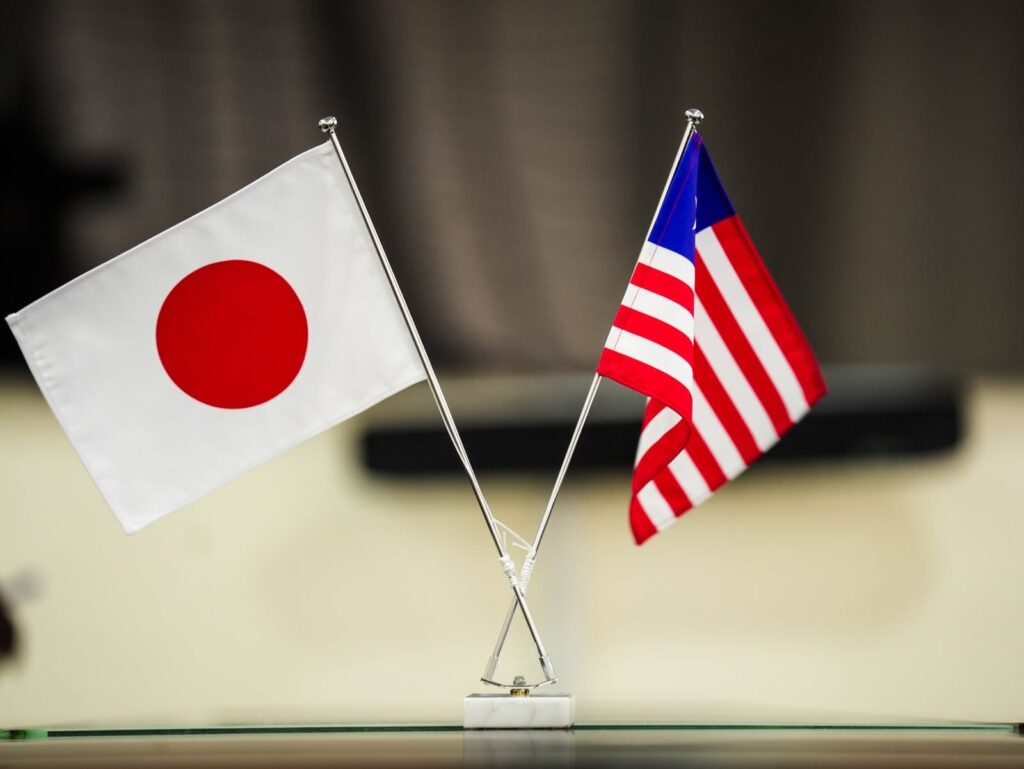
Yoshimoto said Japan remained committed to supporting Liberia’s food security objectives and broader development priorities, describing the KR Food Aid Programme as an important mechanism for ensuring access to rice for households across the country.
He explained that the programme serves two purposes: addressing immediate food requirements through rice supplies while generating financial resources from rice sales that can be channelled into wider national development projects.
“In that regard, I am pleased that Japan is able to carry out this program every year in partnership with the Liberian government to provide the much-needed rice for the people of Liberia,” Ambassador Yoshimoto stated.
The Japanese envoy also pointed to the importance of ensuring that revenue generated through the programme is properly managed and directed towards projects that contribute to Liberia’s development.
Responding to the commendation, Nyanti thanked the Government and people of Japan for their continued support and longstanding partnership with Liberia.
She said the reforms were undertaken in the country’s national interest and formed part of the government’s efforts to strengthen public institutions, improve accountability and ensure that international development assistance produces tangible benefits for Liberians.
The Foreign Minister also linked the agreement to President Joseph Nyuma Boakai Sr.’s ambition to transform Liberia into a country capable of producing enough rice to meet domestic demand, reducing reliance on imports and expanding economic opportunities for local farmers.
She noted that agriculture occupies a central position in Boakai’s ARREST Agenda for Inclusive Development, which seeks to strengthen domestic food production, encourage investment in agriculture and establish the foundations for sustainable food security.
Nyanti said that although international food assistance remained important to Liberia, the country’s long-term ambition was to develop a more productive and self-reliant agricultural sector.
She pointed to the need for sustained investment, responsible management of resources and effective partnerships with international development partners to achieve that objective.
The Minister also welcomed the sustainability structure of Japan’s KR Food Aid Programme, particularly its provision for proceeds generated from rice sales to finance development initiatives.
According to her, this arrangement extends the benefits of the programme beyond the immediate distribution of food, allowing the assistance to contribute to other national priorities.
The 250 million yen agreement represents another development in the longstanding diplomatic and economic relationship between Liberia and Japan, with both governments maintaining cooperation in food security, economic development and institutional strengthening.
Among those present at the signing ceremony were Deputy Minister for Legal Affairs, Cllr. Jeddi M. Armah; Deputy Minister for International Cooperation and Economic Integration, Dr. Ibrahim A. Nyei; Assistant Minister for International Cooperation, Hon. Leon Talery; and other government officials.











Leave a comment