


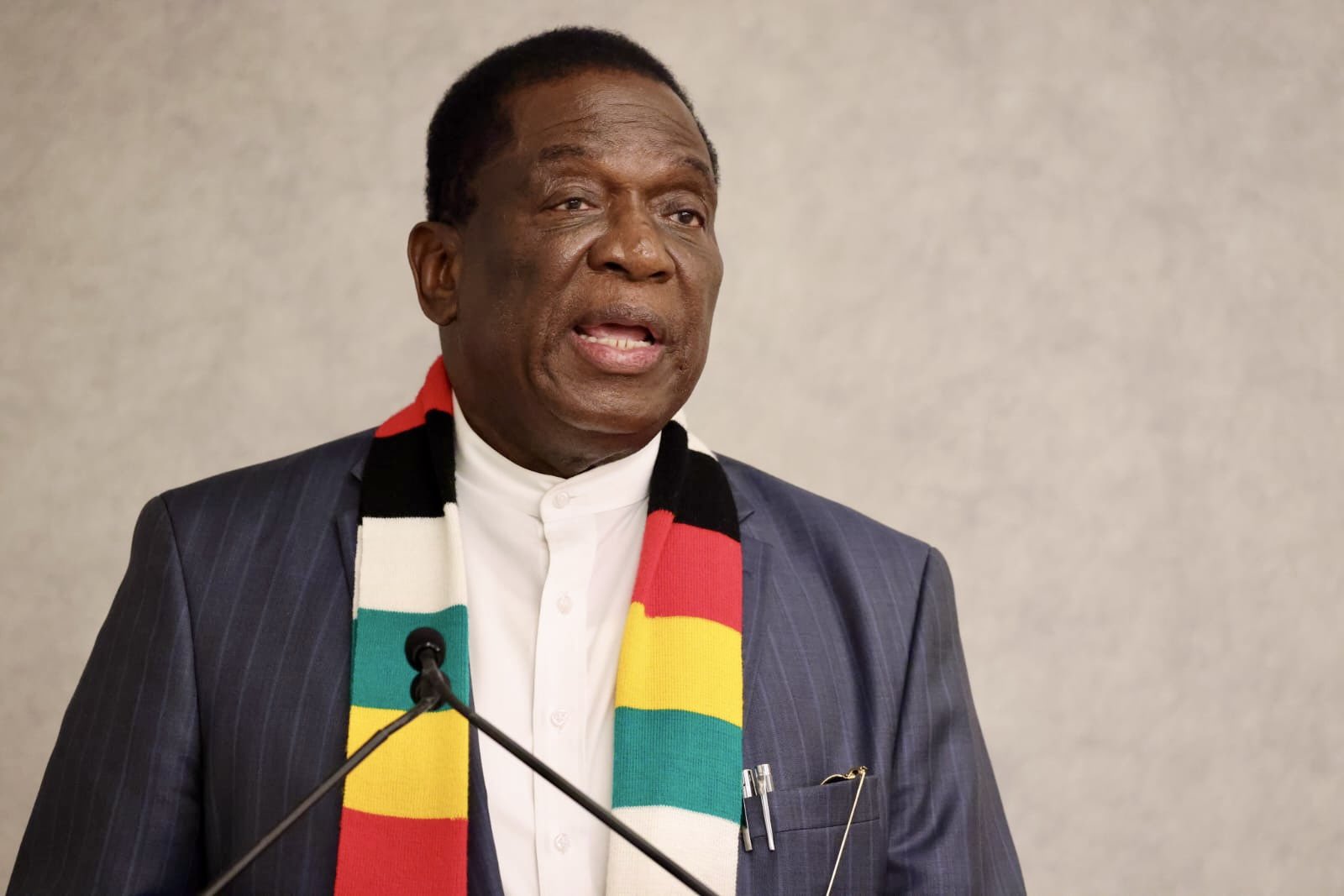
NEW YORK, United States: Zimbabwean President Emmerson Dambudzo Mnangagwa has called on Zimbabweans living abroad to deepen their contribution to the country’s development by moving beyond remittances towards investment, skills transfer, technology and capital.
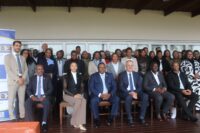
Mnangagwa made the call while addressing members of the Zimbabwean diaspora community in New York, where he said Zimbabweans abroad remained an important part of the country despite living and working outside its borders.
“It was a true honor and a great pleasure to address members of our vibrant Zimbabwean Diaspora community here in New York last night!” Mnangagwa said.
He told the gathering that geographical distance did not change the relationship between Zimbabwe and its citizens abroad.
“No matter the physical distance or where you live and work, you remain an integral part of the Zimbabwean family. Home is home.”
The president said Zimbabweans in the diaspora had continued to support families at home, establish businesses and contribute significant financial resources to the national economy.
According to Mnangagwa, Zimbabwe receives more than US$2.4 billion in annual remittances from citizens living abroad.

He said the government now wanted to expand its engagement with the diaspora by encouraging a greater flow of investment, expertise and technology into Zimbabwe.
“But our engagement is evolving we are moving from remittances to strategic investment, and from the movement of people to the movement of knowledge, technology, and capital.”
Mnangagwa also addressed the issue of skilled Zimbabweans who have left the country, saying the government was seeking to turn what has traditionally been described as brain drain into a system through which expertise could circulate between Zimbabwe and other parts of the world.
“Yesterday, I shared an important message: Zimbabwe is no longer lamenting “brain drain” we have successfully turned it into brain circulation.”
He said professionals living abroad did not necessarily have to relocate permanently to Zimbabwe to contribute to the country’s development.
“Whether you are a surgeon, an engineer, a professor, an ICT specialist, or a financier, you do not need to return permanently to make a lasting impact. Your skills, expertise, and global best practices are tremendous national assets.”
The president linked the government’s diaspora strategy to Zimbabwe’s National Development Strategy 2, covering the 2026 to 2030 period, and the country’s Vision 2030 objectives.
Under the development programme, Mnangagwa said his administration regarded Zimbabweans abroad as strategic partners in efforts to achieve the country’s long term development goals.
He said government was working to reduce bureaucratic obstacles affecting citizens abroad and investors seeking opportunities in Zimbabwe.
Measures outlined by the president include the simplification of government processes, modernisation of passport services and the establishment of diaspora service centres.
He also said the government was working to facilitate and protect diaspora investments in sectors considered important to Zimbabwe’s economic development.
These include agriculture, mining, renewable energy, the digital economy and infrastructure.
Mnangagwa also connected the diaspora engagement programme to Zimbabwe’s role in international affairs, pointing to the country’s election to a non permanent seat on the United Nations Security Council for the 2027 to 2028 term.
“Let us continue working together to amplify Africa’s voice and demonstrate Zimbabwe’s rightful place in global affairs as shown by our historic election to a non-permanent seat on the UN Security Council for 2027-2028.”
The president urged Zimbabweans at home and abroad to maintain cooperation around the country’s development agenda.
“The more we work together, the more we prosper!”
He ended his message with two statements in Zimbabwe’s widely spoken languages, reflecting a call for citizens to take responsibility for the country’s future:
“Nyika inovakwa, inotongwa, inonamatirwa, nevene vayo.
Ilizwe lakhiwa, libuswe, likhulekelwe, ngabanikazi balo.”





Leave a comment