


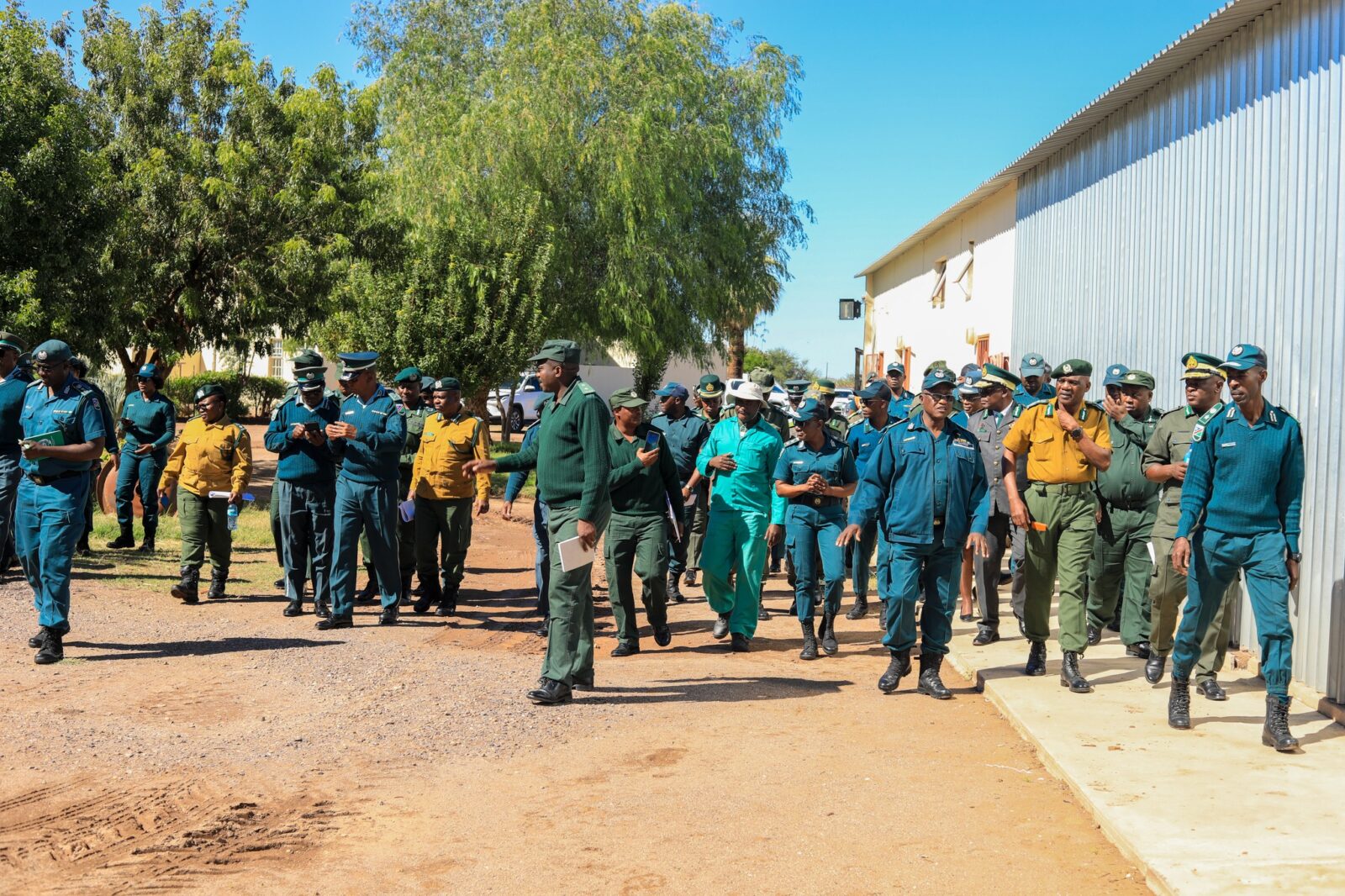
Mariental, Namibia – His Majesty’s Correctional Services (HMCS) joined prison administrations from across the SADC region last Friday for a benchmarking exercise focused on crop and food production at the Hardap Correctional Facility in Mariental, Namibia.
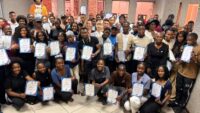
The visit, held on 2 May 2026, brought together correctional representatives from Namibia, Zimbabwe, Zambia, Angola, Botswana and Eswatini, with the shared goal of learning and exchanging practical approaches to strengthening agricultural productivity within prison settings.
Discussions centred on real production methods, including cultivation techniques, farm management and post-harvest handling. Crop production in correctional facilities plays a key role in feeding inmates and reducing dependence on outside supply chains.
The HMCS delegation was led by Deputy Commissioner General Vusi Kunene, who said the exercise was a valuable opportunity for the department to learn from regional partners.
“Such collaboration with penitentiary institutions from countries across the region helps HMCS gain practical insights on how to increase productivity, strengthen food supply, and reduce challenges associated with planting, harvesting, and post-harvest management,” Kunene said.
He added that improving prison agriculture goes beyond producing more food. “It is also about promoting sustainability, discipline and skills development for inmates through meaningful work that supports rehabilitation and reintegration,” he said.
Farm Supervisor at Bhalekane Correctional Centre, Chief Officer Raymond Dlamini, said the exposure to how other regional institutions run their agricultural programmes gave him fresh ideas on improving field management, crop handling and overall production systems.
“The knowledge shared during the benchmarking can be adapted to HMCS to improve yields, efficiency, and long-term food security,” Dlamini said, adding that the exercise also boosted staff knowledge and encouraged teamwork.













Leave a comment