


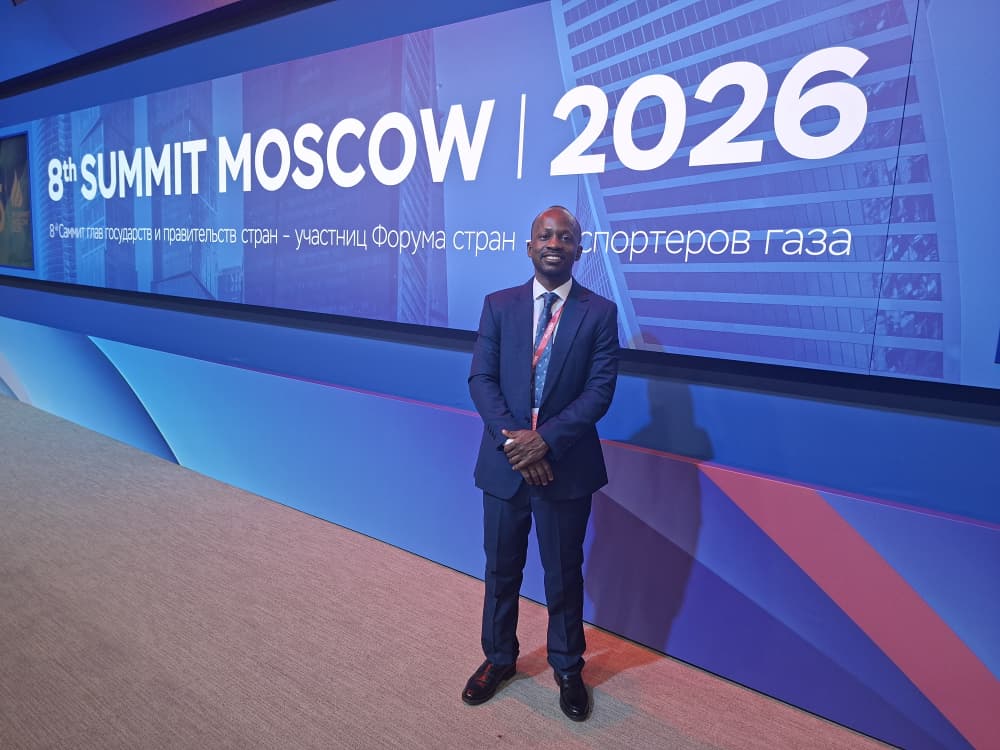
Moscow – Russia’s vast geography, scientific achievements, industrial capabilities and cultural heritage offer a perspective on a country whose story extends far beyond the geopolitical headlines that often shape international perceptions.
Stretching approximately 9,000 kilometres from east to west and spanning 11 time zones, Russia is a country of extraordinary geographical and cultural diversity. From the Pacific coastline of Vladivostok to the Baltic city of Kaliningrad, its territory brings together ancient traditions, modern technology, remarkable natural landscapes and sophisticated urban centres.
For visitors seeking to understand the country beyond its international political profile, Russia offers an extensive history of scientific discovery, industrial development, cultural expression and human resilience.
Although the names of literary figures such as Leo Tolstoy and Fyodor Dostoevsky, alongside the achievements of Russian cosmonauts, are familiar internationally, much of the country’s natural wealth, industrial expertise and regional diversity remains less explored by the wider world.
An opportunity to appreciate this wider picture is presented through the Journey Across Russia exhibition at the National Centre in Moscow, which offers visitors an extensive exploration of the country’s eight federal districts.
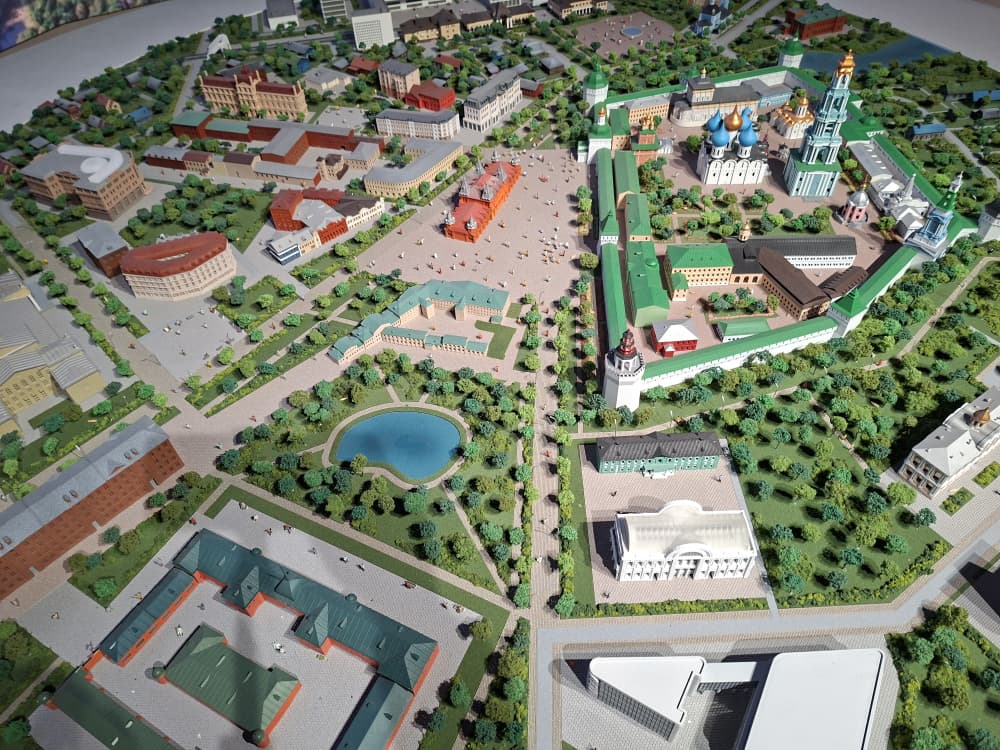
An exhibition spanning Russia
Covering approximately 3,000 square metres, the exhibition recreates a journey from Vladivostok in Russia’s Far East to Kaliningrad in the west, allowing visitors to experience the country’s geographical and economic diversity without leaving Moscow.
Through interactive installations, immersive displays and exhibitions covering science, industry, agriculture, technology, culture and the natural environment, the presentation demonstrates how geography, history and human enterprise have shaped modern Russia.
The Far Eastern Federal District introduces visitors to the country’s shipbuilding, aircraft manufacturing and space technology industries. Its natural environment, particularly the Ussuri taiga, also provides an insight into the biodiversity of Russia’s extensive forest ecosystems.
The region illustrates the relationship between industrial development and environmental resources, with manufacturing ambitions existing alongside vast natural landscapes.
Further west, Siberia presents a dramatically different environment. Its immense forests, rugged terrain and Lake Baikal provide some of the most remarkable natural features of the Russian landscape.
Lake Baikal, recognised as the world’s deepest freshwater lake, contains approximately one-fifth of the world’s unfrozen surface freshwater. Its exceptional depth and biodiversity make it one of the planet’s most significant natural ecosystems.
Beyond its environmental importance, Siberia is also a centre of scientific research. The Baikal Neutrino Telescope, which investigates elusive high-energy particles, demonstrates how scientific institutions are conducting advanced research in one of the world’s most remote natural environments.
Lake Baikal and Siberia’s scientific research facilities feature among the exhibition’s presentations of Russia’s natural and scientific resources.

Mineral wealth and industrial development
The Ural Federal District offers another perspective on Russia’s economic and geological resources.
Known for its extensive mineral deposits, the region has played an important role in the country’s mining and metallurgical industries. Its geological resources include emeralds, amethysts, topazes and several other valuable minerals.
One of the exhibition’s featured attractions is the Koelga marble quarry in Chelyabinsk Oblast, recognised for its extensive deposits of high-quality white marble and its position among the world’s major active marble quarries.
Russia’s mineral resources, including precious stones and metals, are showcased at the exhibition. Photo: TDS.
The presentation illustrates how geological resources, technical expertise and industrial capabilities contribute to economic activity, particularly in sectors requiring specialised extraction and processing technologies.
The Volga region, meanwhile, introduces visitors to Russia’s ambitions in technological innovation and advanced manufacturing.
In Tatarstan, Innopolis represents an effort to develop a purpose-built technology city capable of attracting innovation, research and digital businesses.
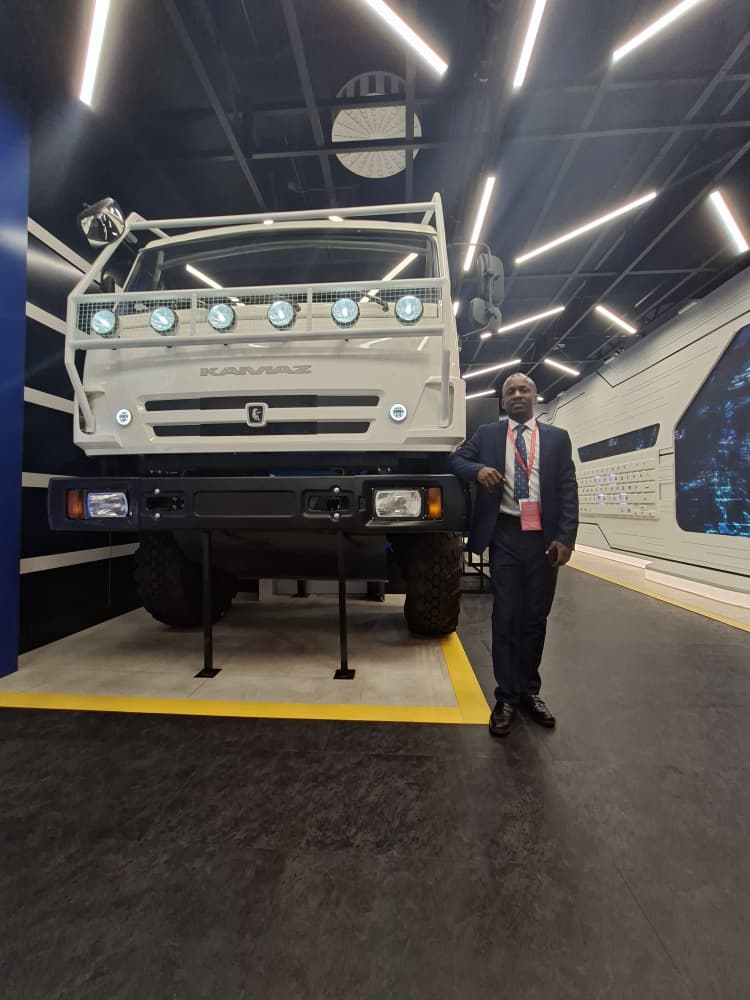
The exhibition also features engineering and manufacturing achievements, including the KAMAZ truck and the high-speed Meteor hydrofoil, demonstrating the application of industrial design and engineering in transportation.
A KAMAZ truck displayed as part of the exhibition’s presentation of Russian engineering and manufacturing. Photo: TDS.
These developments illustrate that technological advancement extends beyond software development and research laboratories. It also encompasses transport systems, heavy machinery, manufacturing and infrastructure capable of connecting communities and markets across vast distances.
Tradition meets modern technology
The Central Federal District provides another illustration of the relationship between Russia’s historical heritage and technological development.
Its historic cities, architectural landmarks and cultural institutions exist alongside advances in medicine, nuclear physics and smart-city technologies.
The region demonstrates how historical preservation and modernisation can form part of the same national development process.
Further south, the North Caucasus presents a combination of mountainous landscapes, forests, mineral springs and distinctive regional cultures.
Its nature reserves and health tourism opportunities offer considerable potential for economic development, while investment projects seek to expand the region’s tourism and commercial activities.
The area’s observatories also connect its mountainous environment with scientific exploration and astronomical research.
The Southern Federal District adds another dimension through its agricultural production, vineyards, transport networks and tourism industry.
The Crimean Bridge, represented through an installation at the exhibition, provides an example of the country’s major infrastructure projects. The wider southern region benefits from fertile agricultural land, favourable growing conditions and coastal landscapes that support farming and tourism.
A replica of the bridge of a nuclear-powered icebreaker forms part of the exhibition’s presentation of Russia’s maritime engineering capabilities. Photo: TDS.
The Northwestern Federal District takes visitors towards the Arctic, where Russia’s maritime engineering capabilities are particularly visible.
Its nuclear-powered icebreakers represent one of the country’s most distinctive technological achievements. Built to operate in extremely difficult polar conditions, the vessels help maintain navigation along the Northern Sea Route, supporting shipping, scientific research and access to remote northern territories.
The construction of nuclear-powered icebreakers requires advanced expertise in nuclear engineering, naval architecture, materials science and systems integration.
Russia has developed the world’s only operating fleet of nuclear-powered icebreakers, reflecting decades of industrial investment and accumulated technical knowledge.
These specialised vessels are particularly important in Arctic navigation, where conventional ships face considerable limitations when travelling through ice-covered waters.
Together, the eight regional presentations offer visitors an understanding of Russia’s natural resources, industrial capabilities, scientific research and cultural diversity.
A country of remarkable natural resources
Russia’s natural environment remains one of its most significant national assets.
Its territory encompasses Arctic tundra, extensive boreal forests, agricultural plains, mountain ranges, major river systems and thousands of kilometres of coastline.
This geographical diversity supports different ecosystems and economic activities, ranging from forestry and agriculture to fishing, energy production and tourism.
Russia’s forests are among the largest in the world, providing habitats for wildlife while contributing to global carbon cycles.
Its rivers support communities, transportation, electricity generation and agricultural production, while the country’s fertile southern regions contribute significantly to grain cultivation.
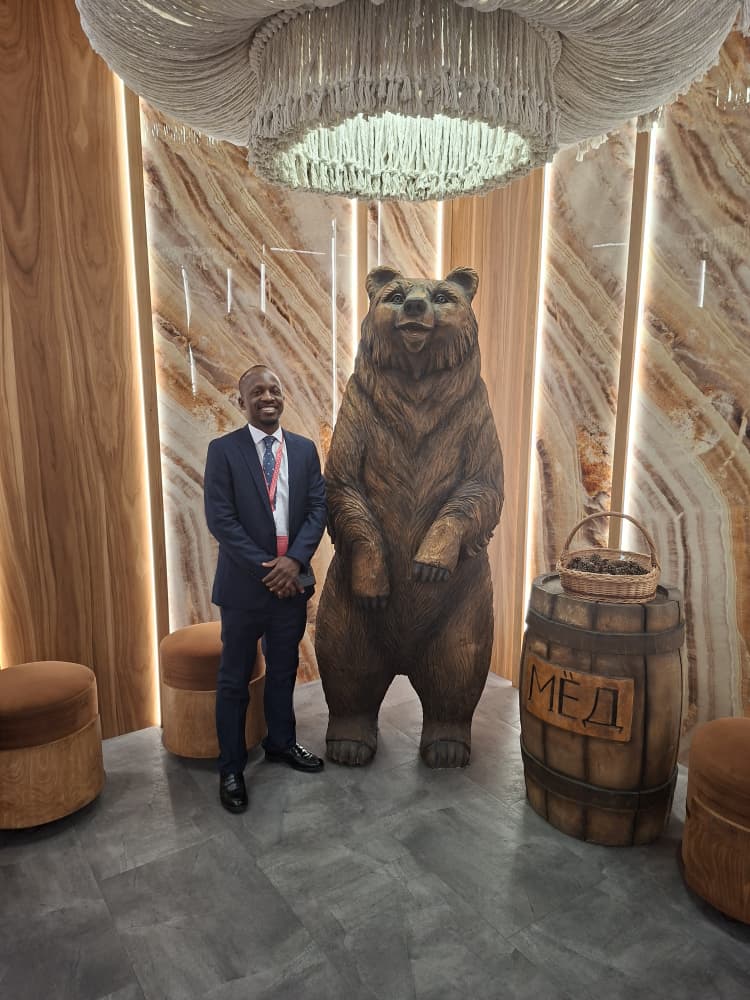
Forests, meadows and agricultural landscapes also support beekeeping and honey production.
Russia is a major agricultural producer and exporter, particularly of wheat. Its agricultural sector benefits from extensive land resources, fertile soils, mechanisation, investment and large-scale production systems.
However, the country’s climatic conditions present considerable challenges, particularly in colder northern and eastern regions where low temperatures and difficult terrain can restrict agricultural activities.
Red Brush Apples, among five apple species identified as being found only in Russia, are featured at the exhibition. Photo: TDS.
Wine production provides another example of the country’s agricultural diversity.
In southern Russia, particularly around Krasnodar Krai and the Black Sea coast, vineyards benefit from climatic conditions that differ considerably from those in the northern interior.
The industry draws on regional agricultural traditions, local landscapes and growing technical expertise.
Russian wines displayed at the Journey Across Russia exhibition. Photo: TDS.
Managing such an extensive territory also presents significant economic and environmental responsibilities.
Long distances, severe winters, infrastructure limitations and the environmental consequences of resource extraction require sustained investment and careful planning.
Nevertheless, Russia’s combination of land, freshwater, forests, minerals and agricultural potential provides substantial opportunities across several economic sectors.

Russia’s scientific and engineering legacy
Russia’s contributions to science and engineering remain among the country’s most internationally recognised achievements.
Its early accomplishments in space exploration transformed humanity’s understanding of technological possibilities.
The launch of Sputnik in 1957 marked the beginning of the space age, while Yuri Gagarin’s pioneering human spaceflight in 1961 became a defining moment in the history of space exploration.
These milestones form part of a wider scientific tradition covering mathematics, physics, chemistry, engineering and fundamental research.
Russian scientists and engineers have contributed to developments in nuclear technology, aviation, materials science and other areas of scientific investigation.
The country’s nuclear-powered icebreakers provide a practical example of how scientific knowledge can be translated into complex industrial applications.
Nuclear propulsion allows these vessels to operate for extended periods in remote environments where conventional refuelling infrastructure is limited.
Their construction and operation require specialised expertise, strict technical standards and coordination across several engineering disciplines.
Russia’s heavy industries also reflect this engineering tradition, with capabilities in aircraft manufacturing, automotive production, mining equipment and transportation infrastructure.
These industries have developed partly in response to the requirements of operating across a vast geographical environment with challenging climatic conditions.
However, maintaining industrial competitiveness requires continued investment, improved productivity and technological modernisation.
Like other major economies, Russia faces questions concerning economic efficiency, investment, international technological competition and the development of its industrial base.
Its accumulated scientific and engineering knowledge nevertheless remains an important resource for future development.
A cultural heritage recognised worldwide
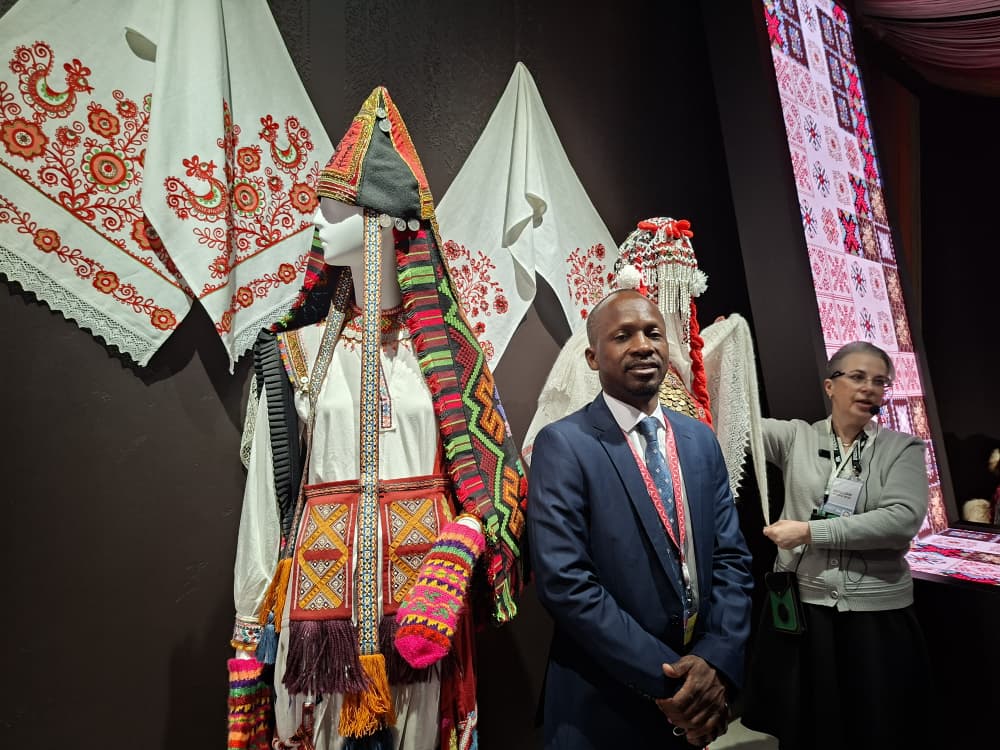
Russia’s identity cannot be understood through its industries and infrastructure alone. Its contributions to global literature, music, ballet, painting and architecture have influenced cultural life across continents.
The literary works of Leo Tolstoy, whose writings explored morality, society and human responsibility, and Fyodor Dostoevsky, whose novels examined conscience, suffering and the complexities of human psychology, continue to attract readers internationally.
Their contributions have helped shape modern literature and remain subjects of academic study across the world.
Russian music and performing arts have also achieved international recognition.
The compositions of Pyotr Ilyich Tchaikovsky, the country’s established ballet tradition and its distinctive architectural heritage have contributed significantly to global cultural expression.
A Buddhist prayer wheel displayed as part of the exhibition’s presentation of Russia’s diverse cultural and religious traditions. Photo: TDS.
Beyond these internationally recognised contributions, Russia is home to numerous ethnic communities, languages, cuisines, musical traditions and forms of craftsmanship.
From the Volga region to the Caucasus and Siberia, different communities maintain distinctive cultural identities that contribute to the country’s wider national heritage.
This diversity demonstrates why Russia cannot be understood through a single language, landscape, tradition or historical experience.
Understanding the country requires engagement with its different communities and an appreciation of the historical and cultural experiences that have shaped them.
The people behind Russia’s achievements
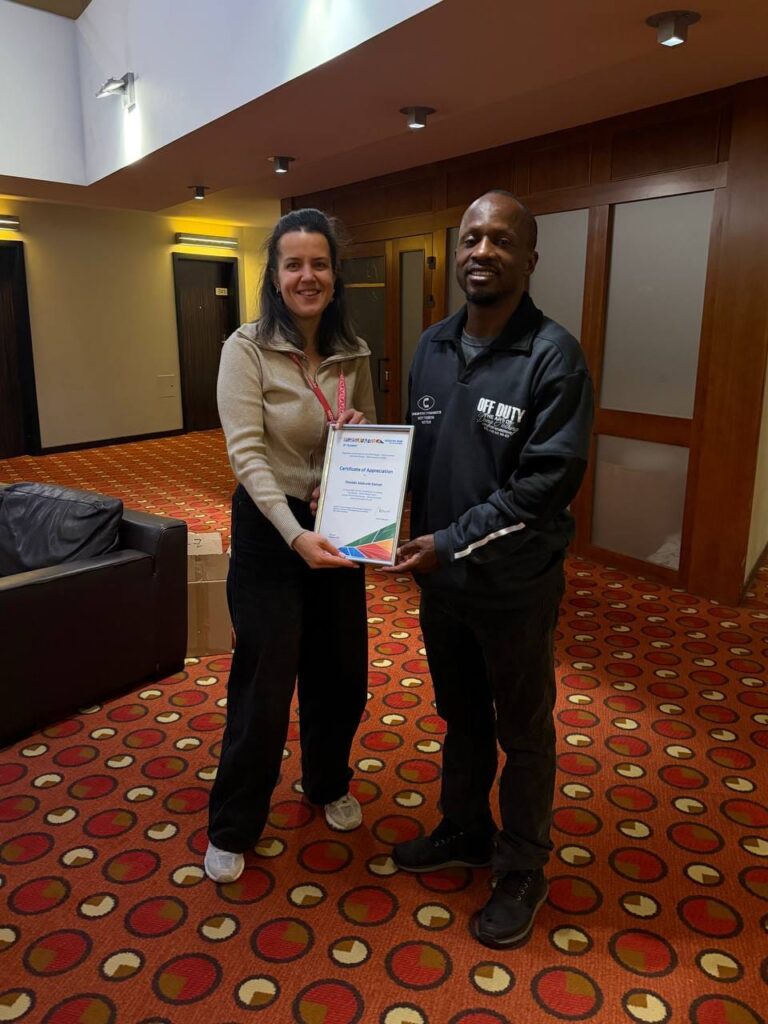
Beyond its scientific discoveries, natural resources and industrial capabilities, Russia’s story is also shaped by the people who sustain its institutions, industries and communities.
For many visitors, one of the country’s memorable characteristics is the contrast between an initially reserved public manner and the warmth that often emerges through personal interaction.
Hospitality, generosity and thoughtful gestures frequently become apparent through conversations, shared meals, cultural exchanges and everyday encounters.
Behind the country’s engineers, scientists, farmers, teachers, artists, entrepreneurs and public servants are individuals whose work contributes to the functioning of a complex society.
Russia’s historical experience has also shaped a strong national association with resilience and endurance.
Its geographical conditions, military invasions, political upheavals and profound social transformations have influenced the development of its institutions and national identity.
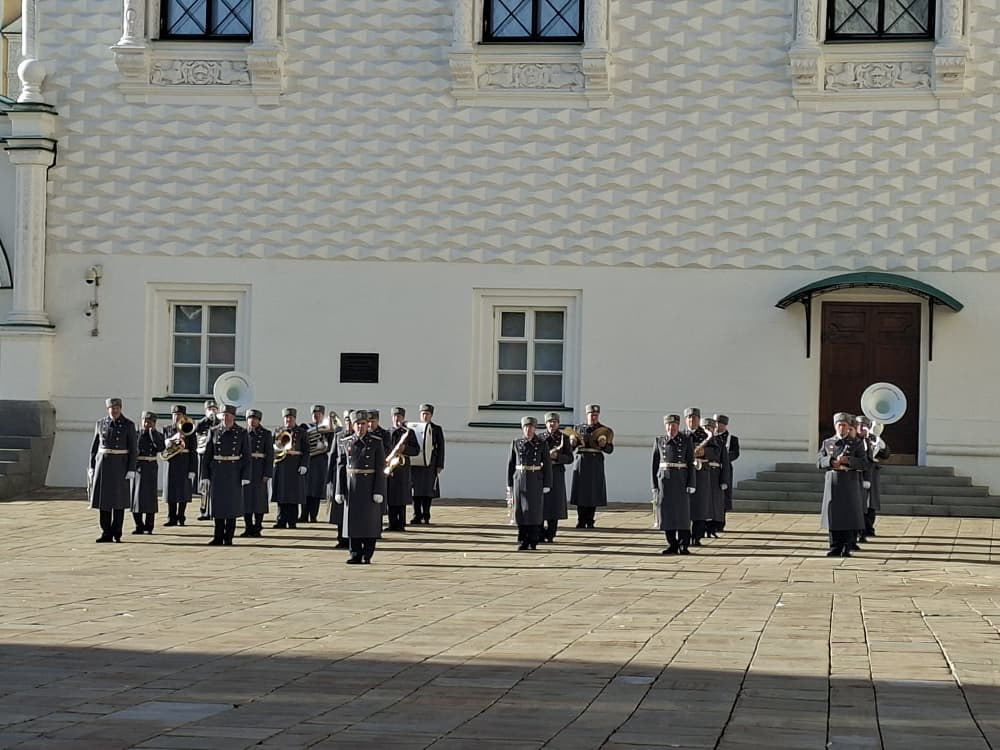
The defeat of Napoleon’s invasion in 1812 and the Soviet Union’s decisive role in the defeat of Nazi Germany during the Second World War remain important episodes in the country’s historical memory.
Both conflicts involved enormous human suffering and sacrifice, and their historical significance requires careful consideration.
They nevertheless help explain the importance attached to national survival, collective effort and resilience within Russia’s historical narrative.
At the same time, national strength involves more than the capacity to withstand hardship. Institutional development, economic opportunity, adaptability and improvements in citizens’ living standards remain equally important measures of progress.
Russia and Africa share development opportunities
The exploration of Russia’s industrial, scientific and cultural capabilities also provides an opportunity to consider the country’s relationship with Africa, particularly as Russia hosts the Russia-Africa Summit.
Across the African continent, governments are pursuing different development priorities, reflecting their respective economic circumstances, resources and institutional capacities.
Many countries are working to expand electricity access, improve transport and logistics networks, increase agricultural productivity, strengthen technical education and develop industries capable of creating greater local economic value.
Russia’s experience in selected sectors offers opportunities for practical engagement and knowledge exchange.
Its capabilities in nuclear engineering, heavy manufacturing, scientific research, vocational training, grain production and infrastructure development could provide useful areas for cooperation with African countries.
Partnerships in these fields could support skills development, research collaboration, agricultural resilience and the expansion of local technical expertise.
However, the objective should not be for African countries to replicate Russia’s development model wholesale.
Each African nation must determine its development priorities according to its own circumstances, democratic choices, available resources and long-term national interests.
The more relevant consideration is how countries can translate international experience into practical development outcomes.
This requires investment in people, technical education, infrastructure, productive industries and institutions capable of supporting sustainable economic growth.
Russia’s industrial and scientific development also demonstrates the importance of long-term investment in research, skills and manufacturing capacity.
Major industrial capabilities are rarely established overnight. They require institutions capable of training skilled workers, research organisations that generate knowledge, businesses that transform ideas into products and infrastructure that connects production with markets.
African countries can adapt these principles to their respective environments by combining international partnerships with local entrepreneurship, regional integration and policies that support transparency, accountability and inclusive economic development.
The relationship between Russia and Africa also presents opportunities for both sides.
Russia can contribute technological expertise, investment and scientific knowledge, while African countries offer their own scientific talent, entrepreneurial capacity, natural resources, expanding markets and development experience.
The most productive partnerships are those that move beyond commercial transactions towards building lasting local capabilities.
For such cooperation to deliver meaningful results, it must be based on mutual respect, commercially viable arrangements, responsible financing and a clear understanding that development initiatives should benefit the populations of the countries involved.
Understanding Russia beyond conventional perceptions
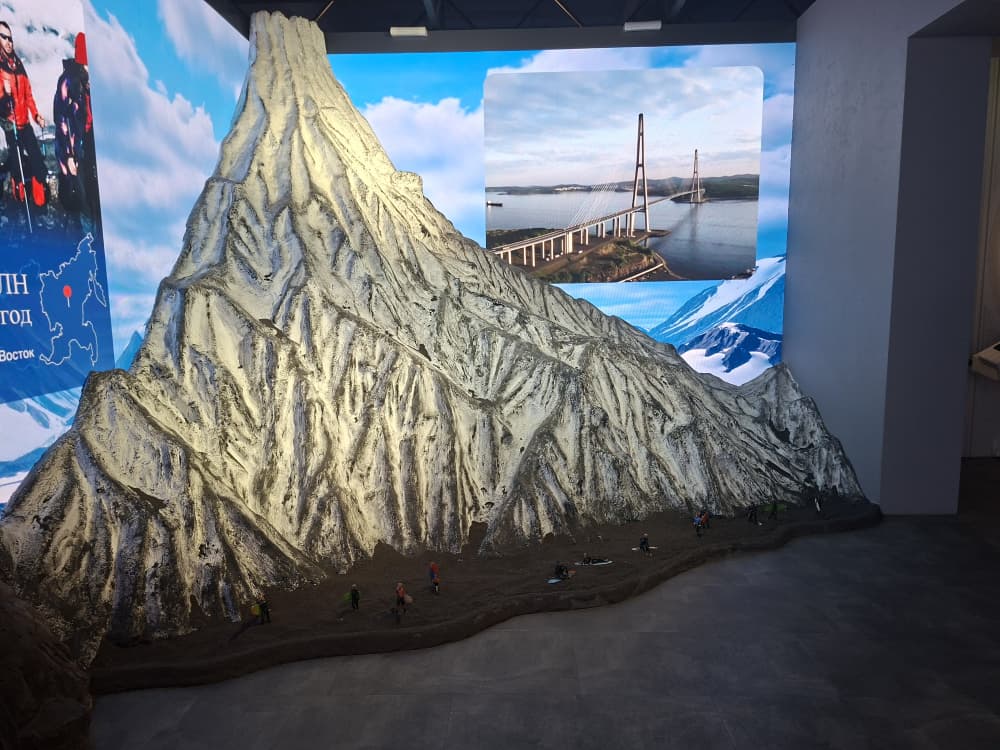
The Journey Across Russia exhibition offers visitors an opportunity to appreciate the scale and complexity of a country whose story cannot be captured through a narrow selection of international headlines.
From the forests of the Far East to the depths of Lake Baikal, the mineral wealth of the Urals, the technological ambitions of Innopolis, the vineyards of the south and the nuclear-powered icebreakers of the Arctic, the exhibition presents a country shaped by geography, scientific discovery, industrial development and cultural diversity.
It also provides a window into the contributions of scientists, engineers, farmers, industrial workers, artists and communities whose work forms part of Russia’s national story.
Russia, like every country, has its contradictions. Its history includes remarkable scientific and cultural achievements alongside periods of repression, conflict and political upheaval.
Its natural resources provide considerable economic opportunities but also raise questions about environmental protection, economic diversification and the equitable distribution of wealth.
Similarly, its industrial capabilities require continued innovation and investment to sustain competitiveness and support broader economic prosperity.
Recognising these complexities allows for a more complete understanding of the country, rather than viewing it through either uncritical admiration or predetermined assumptions.
For African visitors, policymakers, business leaders and researchers, the exhibition provides an opportunity to explore the experiences of another large and diverse country while considering areas where international engagement could produce practical benefits.
Understanding Russia, ultimately, involves looking beyond what it possesses and what it has achieved to consider the people, institutions, knowledge and experiences that continue to shape its development.







Leave a comment