


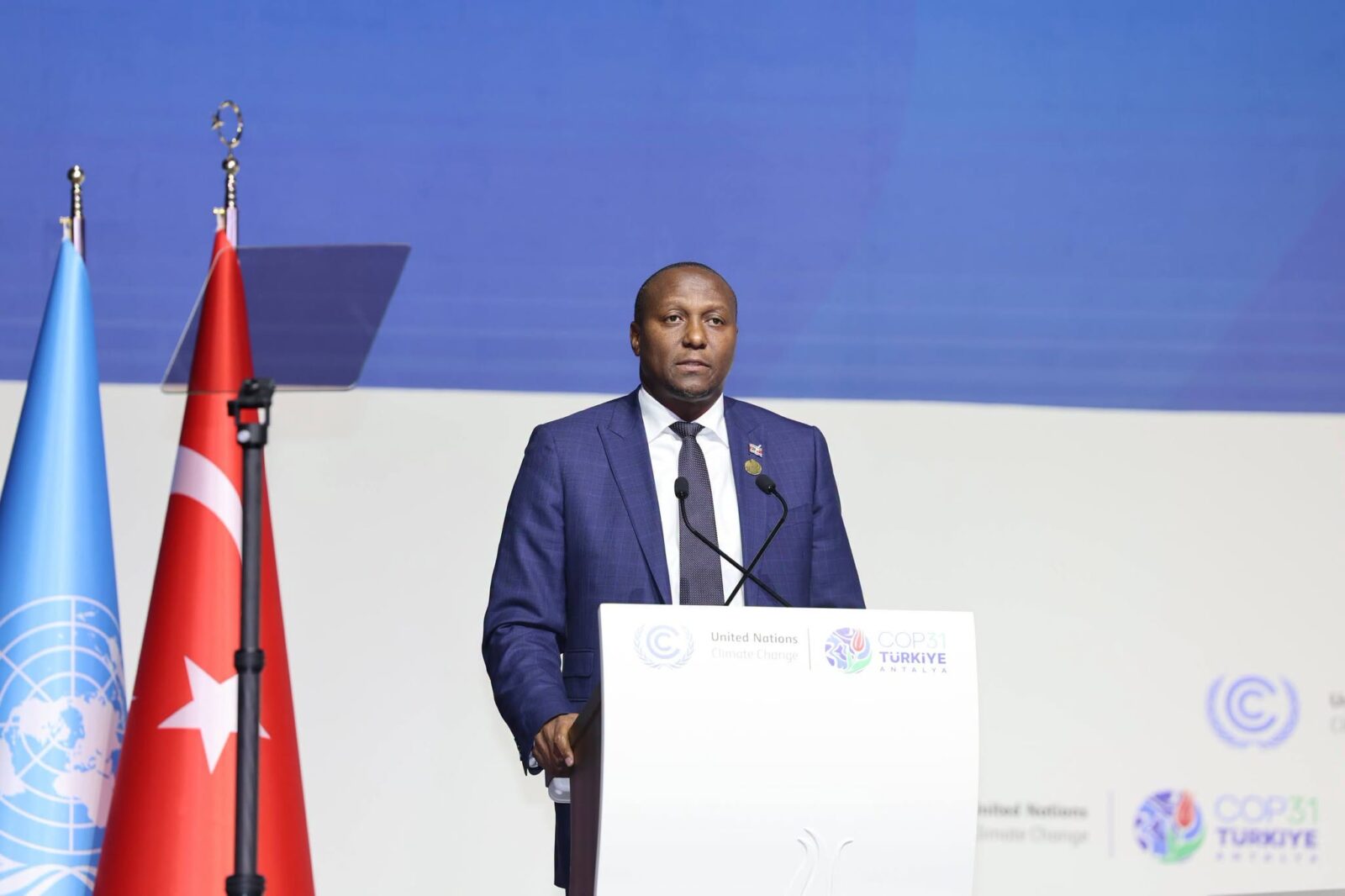
ANTALYA, Türkiye: Prime Minister Russell Mmiso Dlamini has warned that more than one in five people in Eswatini could face acute food insecurity between October 2026 and March 2027, as the country confronts the effects of an El Niño-induced drought.
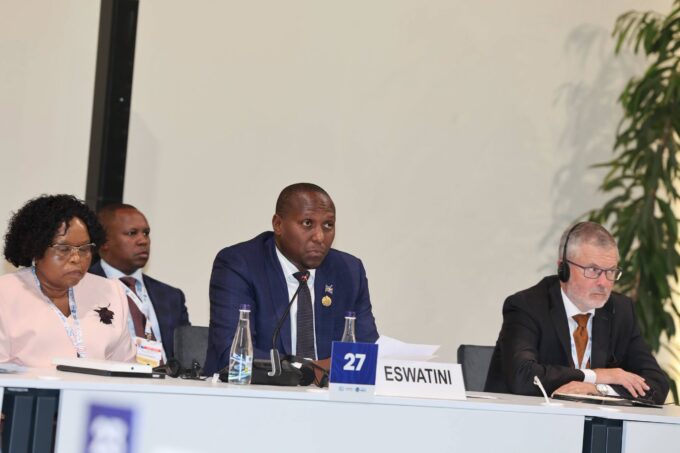
Dlamini delivered the warning while presenting Eswatini’s national statement on behalf of His Majesty King Mswati III and the nation at the 2026 World Leaders Climate Action Summit in Antalya, Türkiye, held alongside COP31.
Addressing world leaders, the Prime Minister called for urgent and decisive international action to confront the growing human cost of climate change, warning that extreme weather events are placing increasing pressure on vulnerable populations and threatening development progress.
He drew attention to the projected food insecurity in Eswatini, saying the figures represented more than a statistical forecast, but the lives and livelihoods of families whose survival would depend on decisions taken by governments and international partners.
“Behind this projection are families whose welfare, dignity and prospects depend upon the action we take. Our responsibility is immediate; its fulfilment cannot be deferred.”
The Prime Minister said climate change was already exacting a heavy toll across different parts of the world, with extreme heat, destructive storms, flooding and prolonged drought undermining national resilience.
“The consequences of climate change are measured in lives lost, livelihoods imperilled and development gains undone. Extreme heat, destructive storms, floods and prolonged droughts are testing the resilience of nations and placing an intolerable burden upon the most vulnerable.”
Dlamini also addressed the difficulties facing developing countries in meeting their climate commitments, pointing to inadequate financing, restricted access to technology and limited institutional capacity as major obstacles.
“Developing countries have demonstrated their resolve to act. Yet their ability to fulfil their commitments remains constrained by inadequate finance, limited access to technology and insufficient institutional capacity.”
He argued that countries experiencing the most severe consequences of climate change should receive the financial resources necessary to protect their populations and maintain development programmes.
“Climate finance is an obligation grounded in justice, equity and shared responsibility. Countries bearing the gravest consequences must have the means to protect their people and safeguard their development.”
On climate adaptation, the Prime Minister called for resilience to become an integral part of national development planning, allowing communities to prepare for environmental threats, withstand disasters and rebuild their livelihoods.
“Resilience must be embedded in national development planning, enabling communities to anticipate hazards, withstand their impact and recover with dignity.”
He further called for greater international cooperation in sharing technical knowledge and practical experience, citing Taiwan and Japan as countries with valuable expertise in resilient infrastructure, early warning systems and disaster preparedness.
Dlamini questioned the limitations on Taiwan’s participation in international platforms, arguing that its technological capabilities could contribute meaningfully to global efforts to address climate change.
“Building resilience also requires the widest possible exchange of knowledge and experience. Taiwan and Japan offer valuable lessons in resilient infrastructure, early warning systems and disaster preparedness.”
He continued:
“Yet how can the world fully benefit from Taiwan’s expertise while its participation in relevant international platforms remains constrained? Many of us assembled here rely upon technology developed or manufactured in Taiwan. Its expertise should likewise be available to our common endeavour to protect lives and livelihoods.”
The Prime Minister maintained that climate change required cooperation beyond political differences, with countries working together to access the expertise and resources needed to protect vulnerable communities.
“Climate change recognises no political boundaries. Our cooperation must rise to the same universal challenge. Eswatini therefore reaffirms its support for the meaningful participation of the Republic of China (Taiwan) in relevant international climate processes.”
On international climate financing, Dlamini welcomed the agreement reached at COP29, which established a goal of mobilising at least US$300 billion annually for developing countries by 2035, alongside the broader ambition of increasing climate finance to US$1.3 trillion annually.
However, he cautioned that the effectiveness of these financial commitments would depend on whether developing countries could actually access the promised resources.
“Eswatini welcomes the COP29 climate finance agreement, including the goal of mobilising at least US$300 billion annually for developing countries by 2035, alongside the broader ambition of scaling up climate finance to US$1.3 trillion annually.”
He added:
“The worth of these commitments will be determined by their fulfilment. Finance must be accessible, predictable and timely, with a strong emphasis on grants, particularly for adaptation.”
Dlamini called for simpler financing procedures, improved direct access to climate funds and effective technical assistance to help developing countries implement adaptation and mitigation programmes.
“Simpler procedures, stronger direct access and effective technical assistance are essential.
Climate action must strengthen the struggle against poverty, expand opportunity and safeguard the inheritance of generations yet unborn.”














Leave a comment