


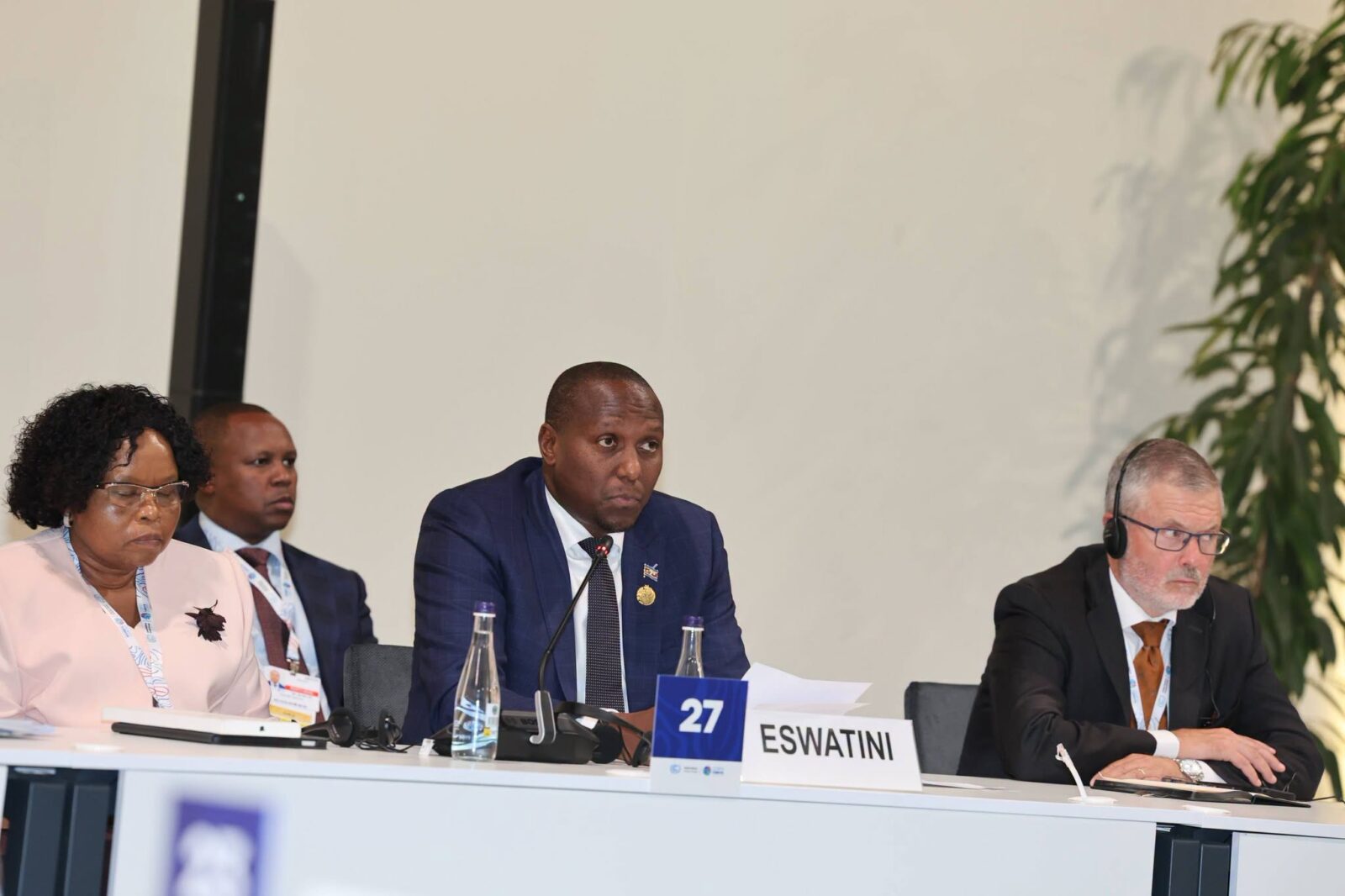
ANTALYA, Türkiye: Prime Minister Russell Mmiso Dlamini has outlined Eswatini’s plans to expand recycling, composting and waste recovery while calling for stronger international cooperation to help developing countries accelerate the transition towards sustainable energy.
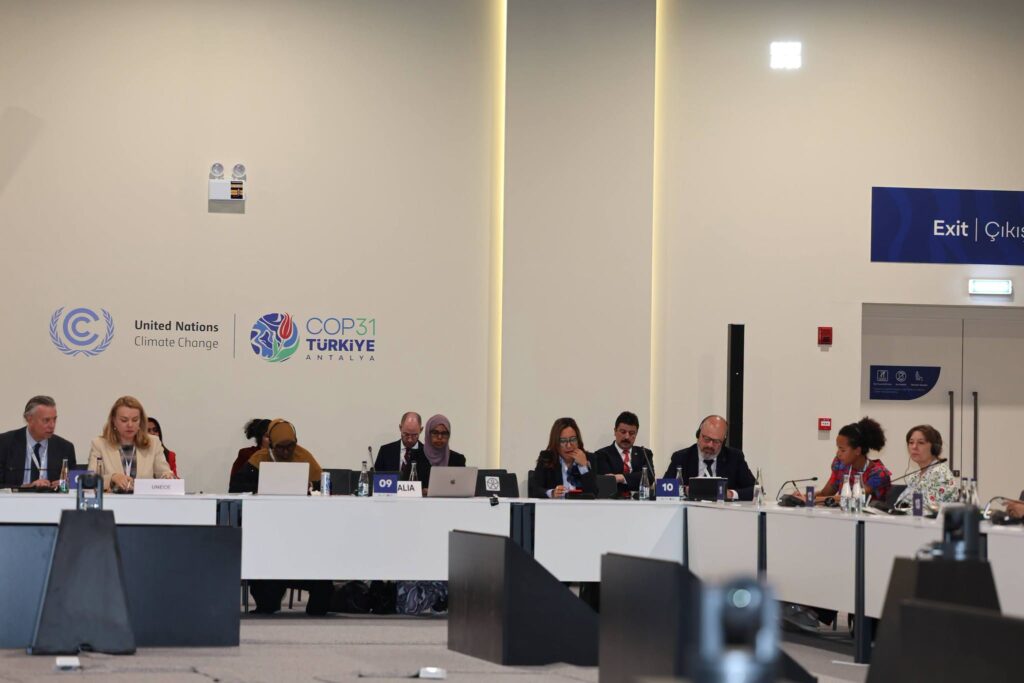
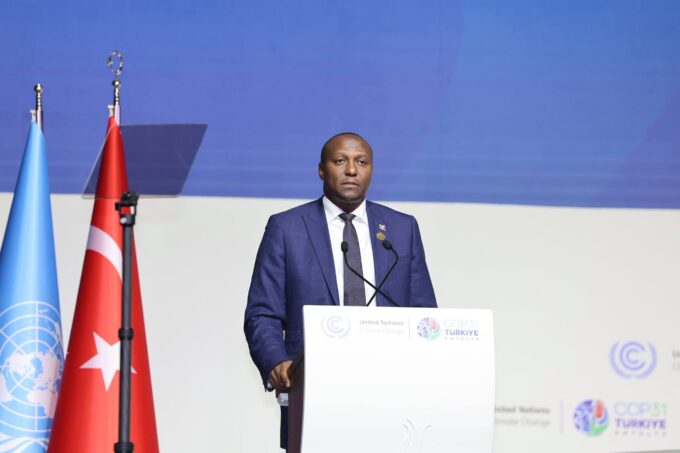
Dlamini made the remarks during two separate engagements at the 2026 United Nations Climate Change Conference (COP31) in Antalya, Türkiye, where he participated in the Leaders’ Roundtable on Zero Waste, Circularity and Methane and the launch of the COP31 35-by-35 Global Electrification Pledge.
At the zero waste roundtable, the Prime Minister presented Eswatini’s efforts to improve waste management, reduce methane emissions and develop a circular economy that can generate employment opportunities while protecting public health and the environment.
He said waste management had become an increasingly important issue for governments seeking to address climate change and promote sustainable development.
“The management of waste has become a defining challenge for public health, climate action and sustainable development. A circular economy, founded upon waste prevention, reuse, recycling and resource recovery, offers considerable promise: lower emissions, healthier ecosystems, new enterprises and dignified employment.”
Dlamini pointed to a five-year environmental initiative launched by Eswatini in February 2026, covering the 2025 to 2030 period, which is supported by approximately US$4.935 million in funding from the Global Environment Facility (GEF).
The programme is being implemented in collaboration with the United Nations Development Programme (UNDP) and national partners, with interventions targeting plastic pollution, electronic waste and healthcare waste.
It also seeks to strengthen resource recovery systems and reduce communities’ exposure to hazardous pollutants.
“In February 2026, Eswatini launched a five-year initiative covering the period 2025–2030, supported by a Global Environment Facility grant of approximately US$4.935 million. Implemented with the United Nations Development Programme and national partners, it addresses plastics, electronic waste and healthcare waste, strengthens resource recovery and reduces exposure to hazardous pollutants.”
The Prime Minister said the government was also improving its Waste Management Information System to provide reliable information for policymaking, investment decisions and monitoring progress.
Among the country’s next priorities are expanding waste separation at source, supporting community-based composting programmes and improving municipal collection of organic waste.
Eswatini is also considering the use of anaerobic digestion technology, where practical, to convert organic waste into biogas while recovering nutrients for other productive uses.
“We are strengthening our Waste Management Information System to ensure that policy and investment rest upon reliable evidence and that progress can be measured. Our next priorities include expanding separation at source, community composting and municipal collection of organic waste. We will also explore anaerobic digestion, where feasible, to produce biogas and recover nutrients.”
Dlamini said Eswatini’s climate commitments were also reflected in its third Nationally Determined Contribution (NDC), submitted in September 2025.
Under the commitment, the Kingdom is targeting the composting of 30 per cent of nationally generated organic waste and a 30 per cent reduction in the open burning of municipal solid waste by 2035.
“The Kingdom of Eswatini is committed to this transition. Our third Nationally Determined Contribution, submitted in September 2025, targets the composting of 30 per cent of nationally generated organic waste and a 30 per cent reduction in the open burning of municipal solid waste by 2035.”
He said developing countries needed greater international assistance to establish modern waste management infrastructure, improve recycling systems, ensure the safe treatment of healthcare waste and reduce methane emissions.
The Prime Minister called for climate financing that developing countries could readily access, alongside appropriate technology transfer and sustained investment in institutional and technical capacity.
“Developing countries require partnerships commensurate with the scale of this task. Accessible climate finance, appropriate technology transfer and sustained capacity-building are essential to modern waste infrastructure, stronger recycling systems, safe healthcare waste treatment and effective methane mitigation.”
He said the success of waste management programmes should be assessed not only through the volume of waste collected or diverted from disposal sites, but also through the environmental and economic benefits experienced by communities.
“Our progress must be measured in tonnes of waste diverted and emissions avoided, and in healthier communities, thriving local enterprises and improved livelihoods.”
Dlamini further expressed Eswatini’s readiness to work with international partners to advance zero waste initiatives, circular economic practices and methane reduction.
“Eswatini stands ready to work with all partners to advance zero waste, circularity and methane reduction. Together, let us turn discarded resources into productive assets, national commitments into practical results, and shared ambition into lasting benefits for every community.”
Push for wider electricity access
At a separate engagement in Antalya, Dlamini called for stronger international partnerships, accessible financing and technology transfer to support developing countries in achieving an inclusive and sustainable energy transition.
Speaking at the launch of the COP31 35-by-35 Global Electrification Pledge, the Prime Minister addressed the importance of affordable and reliable electricity in supporting industrialisation, expanding employment opportunities and improving living standards.
His intervention placed electricity access within the broader development priorities of African countries, where reliable energy supplies remain important for expanding industrial capacity, supporting businesses and improving essential services.









Leave a comment