


The African Tax Administration Forum is supporting African revenue authorities as they move from discussing digital transformation to introducing practical tools that can improve tax compliance and the exchange of information.
The organisation recently joined the African Tax Research Network and the International Centre for Tax and Development in hosting a webinar that brought together more than 300 tax experts from Africa and other parts of the world.
The session focused on the use of artificial intelligence and digital public infrastructure in tax administration, including the lessons emerging from African countries.
Digital tools such as taxpayer chatbots, filing reminders, risk profiling, audit selection and fraud detection are increasingly being considered by revenue authorities.
However, ATAF said these tools cannot deliver lasting results without the systems needed to support them.
Those systems include reliable taxpayer records, digital identity platforms, electronic payment facilities, company and property registers, data sharing arrangements and technology that allows information from different institutions to work together.
One of ATAF’s projects involves the development of an Automatic Exchange of Information information technology system in partnership with the Zambia Revenue Authority and the World Bank.
The system is intended to assist tax administrations in generating, checking and transmitting information under different international reporting standards through one integrated platform.
The project has moved beyond the design phase and has been demonstrated during sessions held in Ghana, Seychelles, Cameroon and Morocco.
Ghana and Seychelles are preparing to pilot the system.
The platform is expected to provide African tax administrations with a more affordable and accessible way to exchange financial information, which can help revenue authorities identify undeclared wealth and improve compliance with international tax standards.x+1
ATAF is also promoting cooperation between revenue authorities through peer learning initiatives.
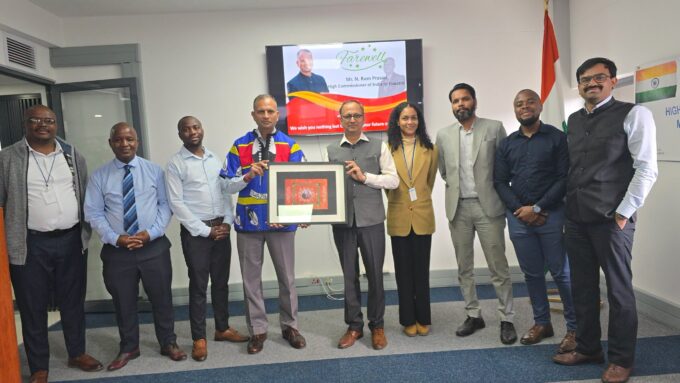
Officials from Lesotho, Malawi and Liberia recently took part in a benchmarking visit to the Zambia Revenue Authority to study Zambia’s experience in digital tax administration.
Anthony Munanda, ATAF’s Head of International and Cross Border Taxation, said the organisation wanted its approach to artificial intelligence and digital reform to be based on practical experience from African revenue authorities.
“This is the kind of peer-to-peer, evidence-based capacity building we want AI and digital transformation at ATAF to look like: grounded in what is actually working inside African revenue administrations, not imported wholesale from elsewhere.”
The webinar examined how tax authorities can build digital systems that are effective, affordable and sustainable.
Participants also considered the need for proper safeguards when using artificial intelligence, including data protection, accountability, transparency and measures to prevent taxpayers from being unfairly excluded by automated systems.












Leave a comment