


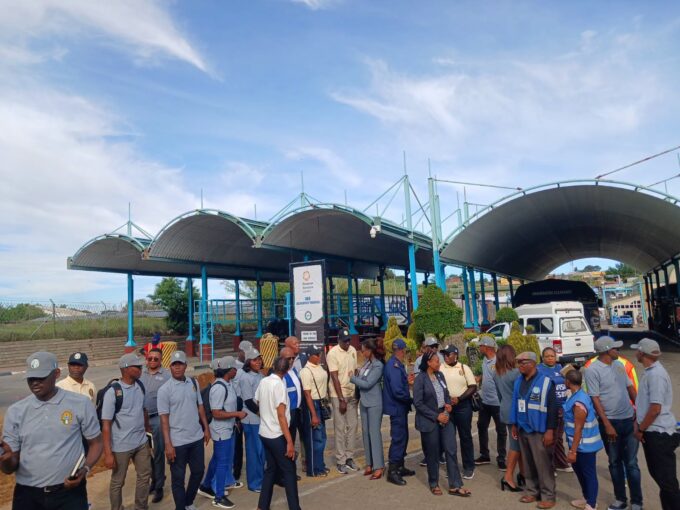
Johannesburg – Partner and Member States of the Common Market for Eastern and Southern Africa (COMESA), East African Community (EAC) and Southern African Development Community (SADC) convened in Johannesburg, South Africa, from 27–28 November 2025 to review the Tripartite Simplified Trade Regime (TSTR) Framework ahead of its planned validation and adoption in 2026.
The discussions followed a consultative meeting held on 24–25 November with Informal Cross-Border Traders (ICBTs), where women, youth, and representatives of cross-border associations shared practical insights and challenges affecting their trade activities.
Ms. Mai Mohamed Ezzat Ali Ramadan, Trade Policy Analyst in Egypt’s Ministry of Investment and Foreign Trade and current Chair of the COMESA-EAC-SADC Tripartite, chaired the consultative session. Mr. Rangarirai Machemedze, Coordinator of the TSTR Project at the SADC Secretariat, noted that the meetings brought attention to the hurdles traders face and underscored the need to incorporate their suggestions into the framework. “We look forward to the validation of the framework so that it becomes a living document usable across the Tripartite area,” he said.
Participants generally agreed with proposals from informal traders, especially those from women and youth groups, to address barriers in cross-border trade and promote inclusive economic growth.
Ms. Flavia Busingye, Director of Customs and Trade at the EAC Secretariat and Chairperson of the Tripartite Task Force, thanked stakeholders for their contributions, noting that the framework will now better tackle issues such as gender-based violence, facilitate smoother movement of goods, and enhance regional economic participation. She urged continued engagement in preparation for the framework’s validation in early 2026.
The Alliance for Green Revolution in Africa (AGRA) also reaffirmed support for the initiative. Mr. Protase Echessah, AGRA Senior Specialist for Food Trade Policy, pledged continued assistance for regional integration and inclusive economic development.
During the session, Member States examined the TSTR Framework’s objectives, legal structure, key components, and supporting materials, including the Simplified Certificate of Origin, Simplified Customs Declaration, and a Common List of Eligible Products. Institutional arrangements and national implementation requirements were also discussed.
The framework builds on two decades of Simplified Trade Regimes implemented individually by COMESA, EAC, and SADC to support low-value cross-border trade, particularly among small-scale traders.










Leave a comment