


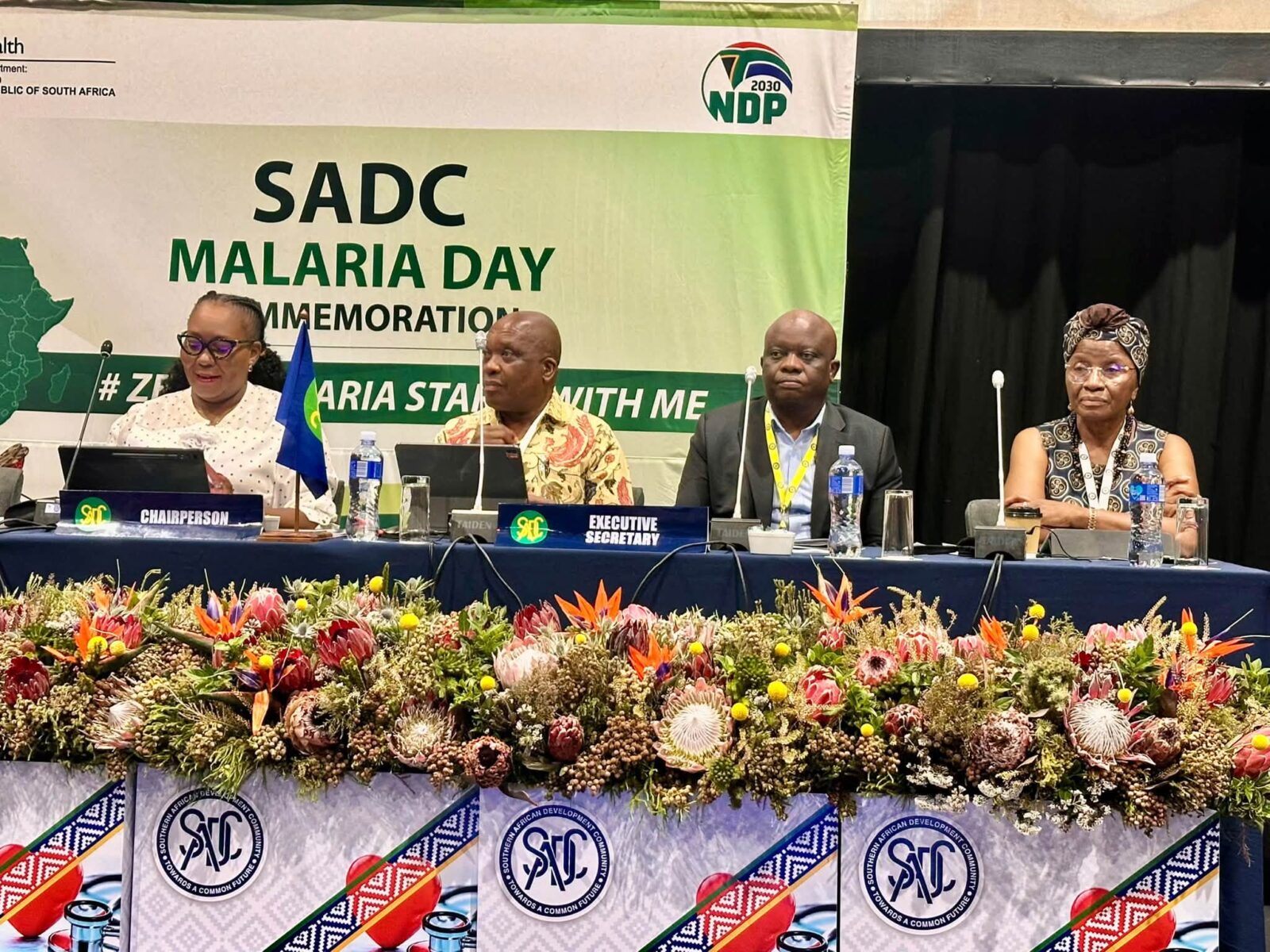
DURBAN, South Africa, 13 November 2026 – The Southern African Development Community (SADC) has called for increased regional cooperation, sustainable health financing and stronger public health interventions to accelerate efforts to eliminate malaria across Southern Africa.
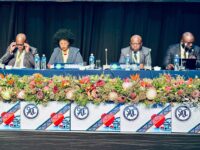
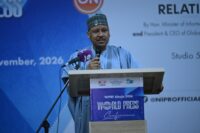
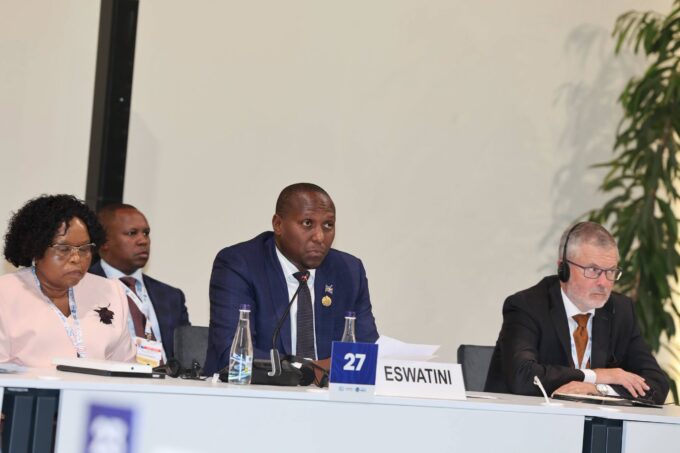
The call was made during the 2026 SADC Malaria Day commemoration held in Durban, South Africa, on Friday, bringing together representatives of Member States, health professionals, researchers and development partners to discuss strategies for tackling the disease.
The event, organised by the SADC Secretariat in collaboration with the Government of South Africa, was held under the theme “Driven to End Malaria: Strengthening Regional Action for a Resilient Malaria-Free SADC.”
The gathering provided an opportunity for regional stakeholders to assess progress in malaria prevention and control, strengthen political commitment and explore ways of mobilising sustainable resources to support elimination programmes.
Discussions also focused on emerging public health threats, particularly resistance to antimalarial medicines and insecticides, which could undermine existing prevention and treatment interventions.
Delivering remarks on behalf of SADC Executive Secretary Elias M. Magosi, the organisation’s Acting Deputy Executive Secretary for Regional Integration, Dr Mike Masiye, acknowledged the progress achieved by Member States while cautioning that malaria continued to affect millions of people across the region.
According to figures presented during the commemoration, approximately 375 million people, representing 85 per cent of the SADC population, were living in areas exposed to malaria transmission in 2025.
The region recorded nearly 79 million malaria cases and approximately 48,000 deaths during the year. Children below the age of five accounted for 69 per cent of malaria-related fatalities, illustrating the disproportionate impact of the disease on young children.
“These figures are a stark reminder that while progress is possible, progress cannot be taken for granted,” the Executive Secretary stated in his remarks.
However, preliminary figures for the first six months of 2026 suggest that the region is making progress, with malaria cases declining by 11 per cent and deaths falling by seven per cent compared with the corresponding period in 2025.
Despite the improvement, SADC said sustained interventions would be necessary to maintain the gains and prevent a resurgence of infections.
Magosi called on Member States to increase domestic investment in malaria programmes, strengthen cooperation across national borders and improve disease surveillance systems.
He also identified effective public communication and greater community participation as important components of regional efforts to eliminate malaria.
Cross-border coordination remains particularly important for Southern African countries, where population movement and shared geographical boundaries require governments to work together in monitoring transmission patterns and responding to outbreaks.
A major development scheduled as part of the commemoration is the ceremonial unveiling of the SADC Integrated Regional Strategy on Antimalarial Drug Resistance and Insecticide Resistance 2026–2030.
The strategy is designed to provide Member States with a coordinated regional framework for addressing growing resistance to antimalarial medicines and insecticides, strengthening the effectiveness of malaria control programmes.
The framework is expected to guide regional cooperation in responding to resistance challenges while supporting efforts to protect the effectiveness of available malaria prevention and treatment tools.
The SADC Executive Secretary concluded his message with a call for collective regional commitment, stating: “Together, we can deliver on the promise of a malaria-free SADC.”







Leave a comment