


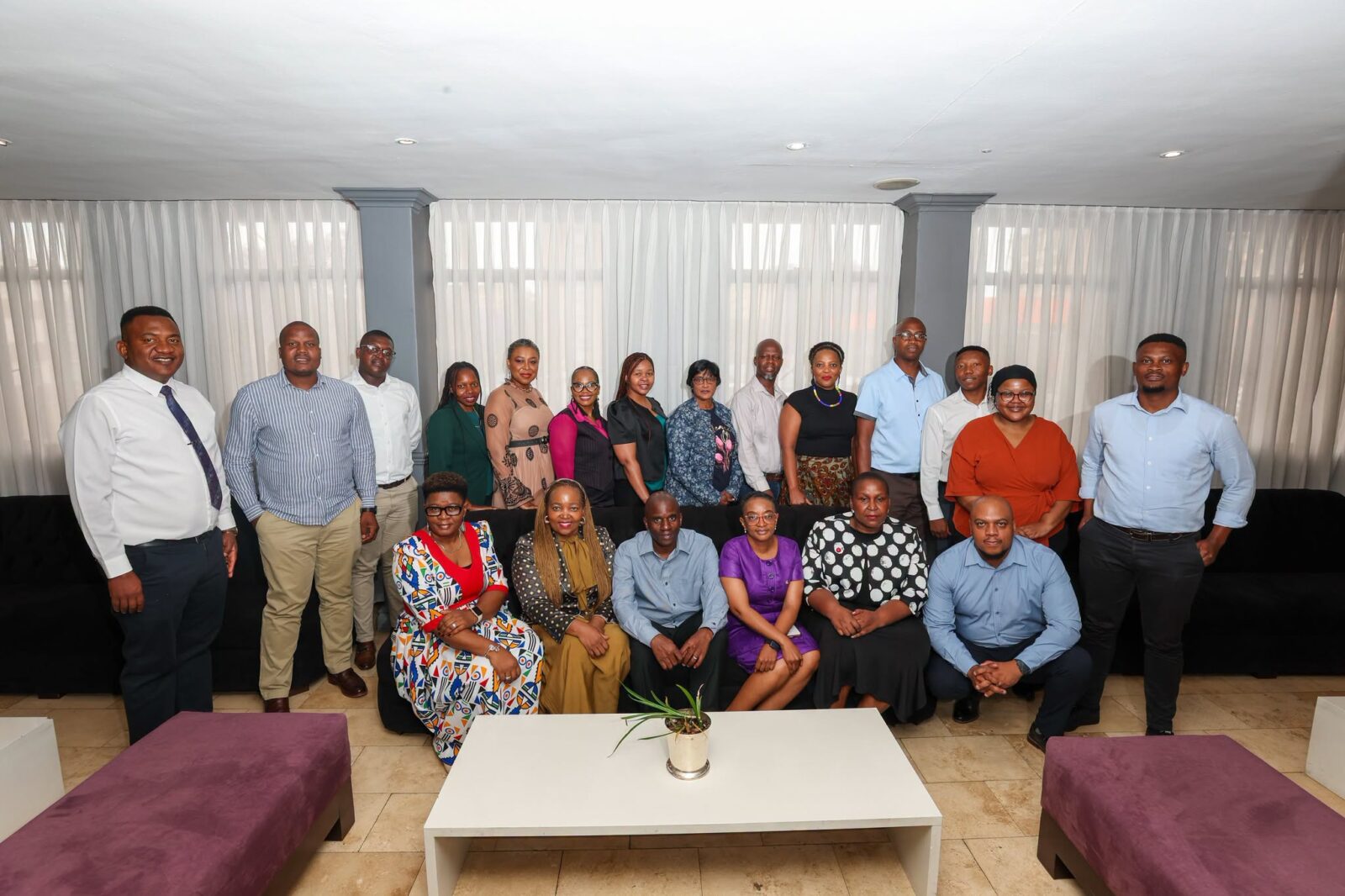
GABORONE, Botswana. South Africa and Lesotho have demonstrated the capacity to implement the Southern African Development Community (SADC) Anti Corruption Effort Index (SACEI), following national readiness assessments conducted by the regional bloc’s Secretariat in October 2026.
The assessments were carried out in collaboration with the Special Investigating Unit (SIU) in South Africa from October 19 to 20, and the Directorate on Corruption and Economic Offences (DCEO) in Lesotho from October 22 to 23.
The exercise forms part of SADC’s efforts to strengthen regional mechanisms for assessing how member states prevent and combat corruption, using an evidence based approach to evaluate national systems and institutional performance.
According to the SADC Secretariat, both countries have developed national implementation roadmaps and are expected to complete the assessment process by May 2027.
The two countries will then submit their National Assessment Reports to the SADC Anti Corruption Committee meeting and the Ministerial Committee of the Organ, scheduled for June and July 2027 respectively.
The SACEI is a regional assessment tool designed to help SADC member states measure their anti corruption efforts through a structured process based on evidence.
It seeks to provide a clearer picture of national anti corruption frameworks and the effectiveness of existing systems, while identifying areas where institutions may require additional capacity and support.
The index is also intended to help monitor the implementation of regional commitments to fighting corruption, allowing member states to assess progress and identify weaknesses that require attention.
South Africa and Lesotho’s readiness assessments mark a step towards implementing the framework at national level, with the next phase focused on completing the assessments and presenting the findings to regional anti corruption and ministerial structures in 2027.











Leave a comment