


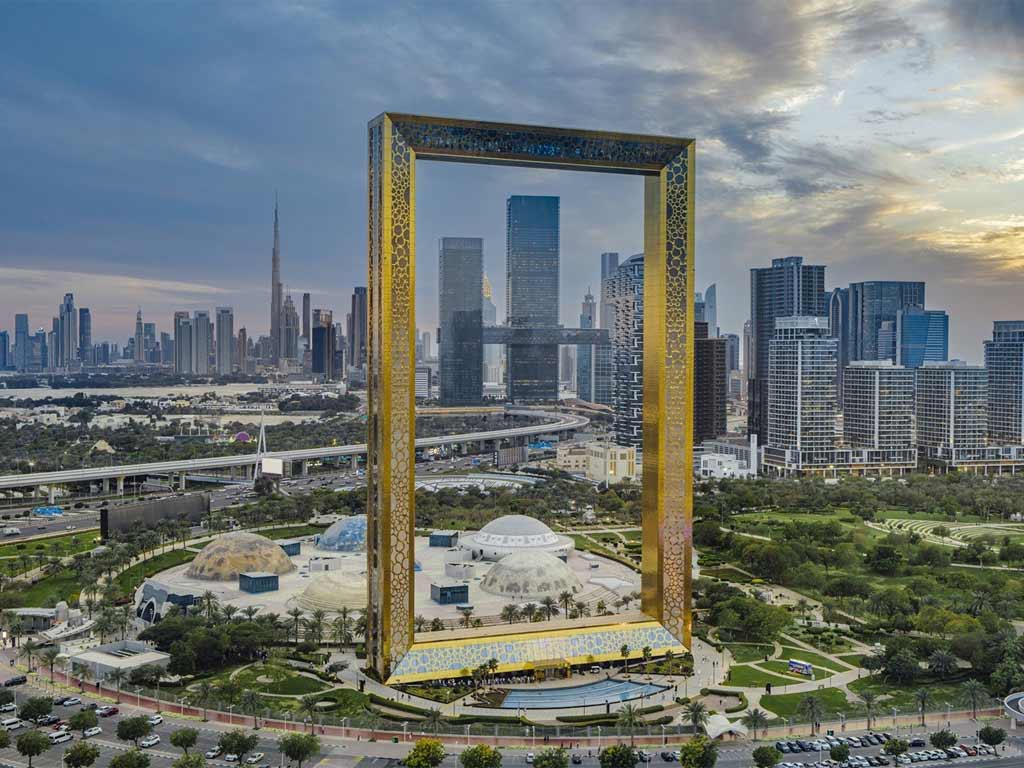
Dubai, United Arab Emirates: Dubai is shifting its tourism strategy from recovering from recent disruptions to pursuing sustained long term growth, with the emirate relying on a broad international visitor base, strong air links and an expanding range of tourism experiences.
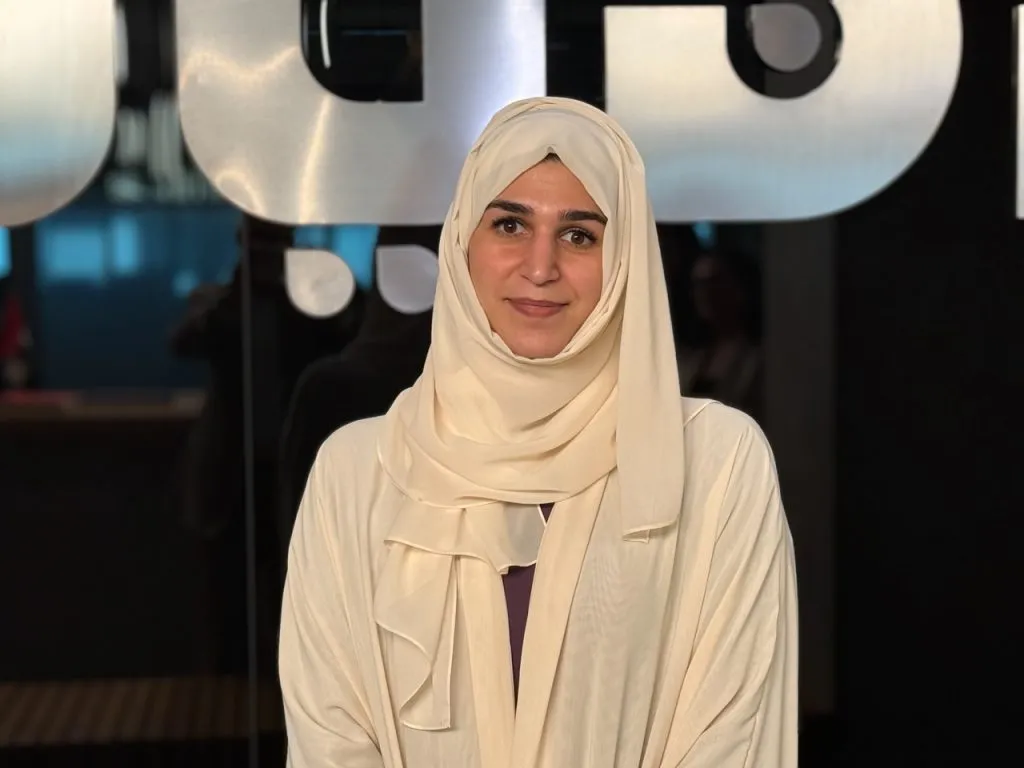
Hoor Al Khaja, senior vice president of international operations at the Dubai Corporation for Tourism and Commerce Marketing, DCTCM, said the tourism sector had demonstrated its ability to withstand recent challenges while maintaining confidence among international visitors and travel partners.
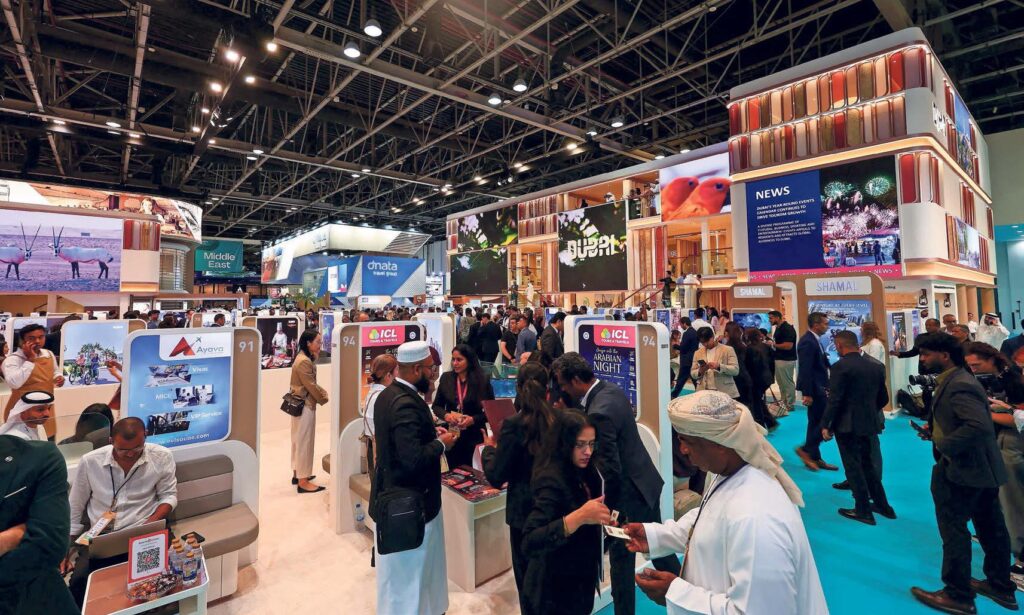
Speaking to Gulf News during the 33rd edition of the Arabian Travel Market in Dubai, Al Khaja credited the sector’s performance to strong leadership, coordination between government and private sector stakeholders, and continued support from international travel partners.
“We’re very proud in this city and the entire sector that really rose to the occasion to deliver such amazing results despite the challenges,” Al Khaja told Gulf News.
She said Dubai’s response to crises had become an important part of its tourism model, with safety and trust continuing to influence the emirate’s appeal to international travellers.
“Dubai’s response to any crisis, not just this one, truly speaks for itself. The way it carried itself through was a big testament to how the city operates,” shared Al Khaja.
She said cooperation with international travel trade partners helped the sector maintain momentum as restrictions were lifted, airlines restored and expanded capacity, and travel demand returned.
“That natural demand, along with the support from our side, all led to where we are now.”
Al Khaja described the Arabian Travel Market as an important point in Dubai’s tourism calendar, coming ahead of a busy period of business and leisure events across the emirate.
More than 80 source markets
Dubai’s tourism model continues to draw visitors from a wide range of international markets. According to Al Khaja, the emirate has historically activated more than 80 source markets, supported by extensive connectivity through Emirates, flydubai and other international airlines.
“We never relied on one, two, or ten source markets. We’ve always seen a very diverse number of tourists coming from different markets,” revealed Al Khaja.
She said the distribution of visitors across different regions had remained broadly consistent.
“When you look at 2025 figures and the way that we have the source markets divided, for example 20 percent of visitors coming from Western Europe, followed by GCC, followed by Asia, and so on and so forth. If you compare that to 2026 figures that we announced, that diversifacation hasn’t change.”
For DCTCM, the continued spread of visitors across different regions provides evidence that Dubai is maintaining demand without becoming overly dependent on a limited number of countries.
“We’re still seeing a similar breakdown of percentages across different markets, which is a very promising figure for us. We are going to keep moving forward with this kind of strategy.”
Broadening the tourism offer
Dubai is also expanding the types of experiences available to visitors as it seeks to attract different segments of the global tourism market.
The emirate continues to cater for luxury travellers and the mid market while developing specialised offerings around sports, adventure, wellness, leisure and major events.
“There’s always something for everyone in Dubai,” exclaimed Al Khaja.
Accessibility remains a priority
Accessibility is another area receiving continued attention as Dubai seeks to make its tourism infrastructure available to a wider range of visitors.
Al Khaja said the emirate was proud of the accessibility certification it had already obtained but recognised that further improvements were needed.
“Accessibility is one of our focus points right now. Definitely, there are ongoing efforts to continue to expand, not just for autism, but for accessibility as a whole because there are different segments within accessibility for us to cater for,” explained Al Khaja.
She pointed to work involving airports, airlines, tourist attractions and public spaces, including parks and beaches.
According to Al Khaja, cooperation among these stakeholders is helping Dubai improve the experience for visitors with different accessibility needs.
“The work never stops. We don’t compare ourselves to anyone but ourselves. We always want to keep up the bar.”
She said additional accessibility initiatives were expected as Dubai’s tourism sector continues to expand.
Growth agenda through 2033
Dubai is not setting a specific deadline for completing its tourism recovery. Instead, the emirate is pursuing a longer term growth strategy under its D33 vision.
“We’re not putting a deadline for recovery. We are moving towards growth,” said Al Khaja.
The D33 agenda sets an ambition for Dubai to become one of the world’s leading cities by 2033, not only as a destination for visitors but also as a place to live, work and invest.
For tourism, the strategy involves continuing to strengthen air connectivity, safety, visitor confidence and market diversity while developing new experiences for travellers from around the world.
“It’s more long-term goals and vision. We’re just continuing to move forward with our growth story.”










Leave a comment