


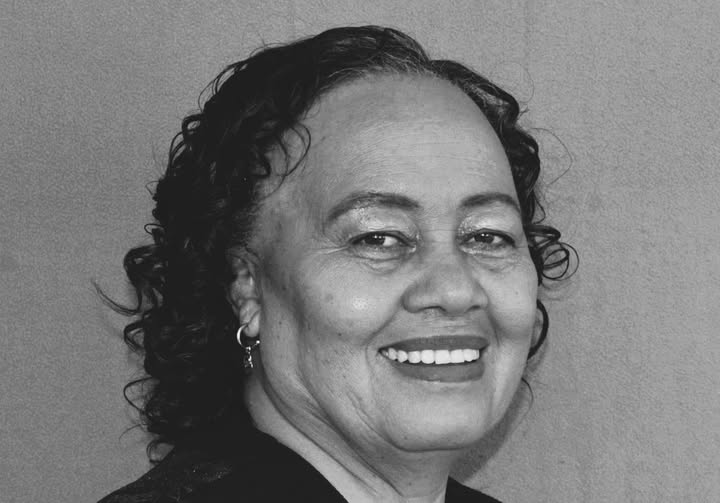
Maseru – A study by National University of Lesotho Professor Maseabata Ramathebane has found that breast cancer patients in Lesotho are dying shortly after diagnosis before they can access treatment, with financial and logistical barriers leaving many with no option but to go home and wait.
The research, published in 2023, was conducted at Senkatana Oncology Clinic, the only cancer treatment centre in the country, located at the Botshabelo complex in Maseru. The study followed 45 breast cancer patients who had been started on chemotherapy.
The findings paint a difficult picture for women battling the disease in Lesotho. More than 83% of patients struggled to arrange transport to see a doctor, while 77.8% said they lived too far from healthcare facilities even when transport was available. Paying for healthcare was a barrier for 83.3% of patients, paying for transport affected 77.8%, and 88.9% reported struggling to pay for diagnostic tests.
Patients who arrived late for care and treatment faced even greater challenges than those who came in earlier, and most were already at an advanced stage of the disease by the time they reached the clinic. Many were sent home for palliative care, situations the study says could have been avoided with earlier screening.
On the cost side, diagnostic and monitoring laboratory tests made up 64.5% of total direct medical costs, with chemotherapy accounting for 24.7%.
The broader context is alarming. Global projections suggest that more than 60% of new breast cancer cases and 70% of related deaths will occur in low and middle income countries over the next 20 years. In Lesotho, a survey of 228 women found that 177 had heard of breast cancer, while 72.9% were aware of breast cancer screening, yet access to actual screening and treatment remains severely limited.
Professor Ramathebane’s study concludes that tackling the crisis requires intensified public awareness campaigns to get patients into clinics earlier, which would not only improve survival outcomes but also reduce the financial burden on the health system.












Leave a comment