


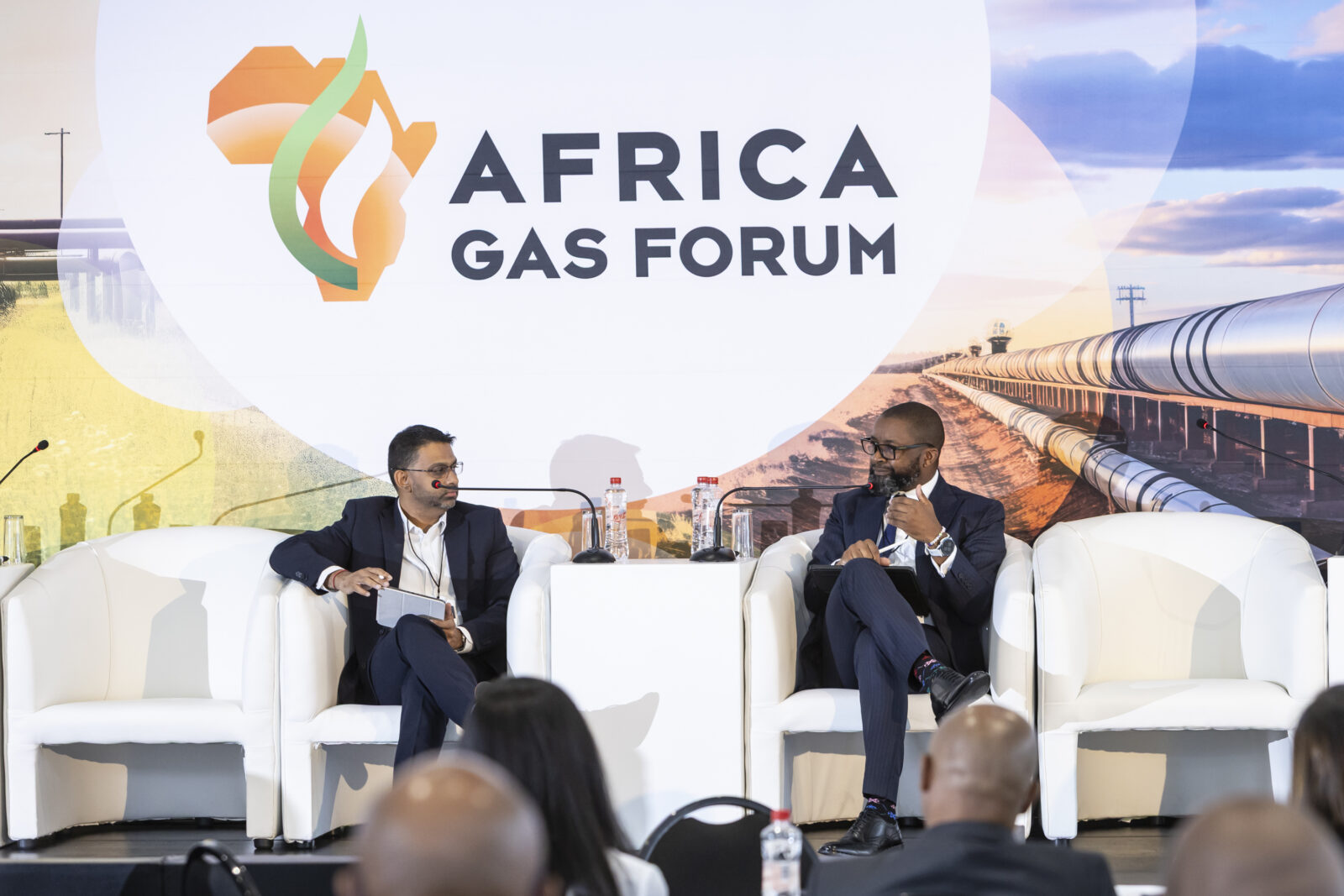
Cape Town, South Africa: South Africa is facing growing pressure to secure alternative natural gas supplies as declining imports from Mozambique threaten to create a “gas cliff” that could affect industrial production, investment, jobs and the country’s economic competitiveness.
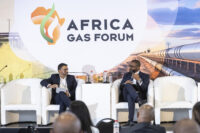
The challenge will be examined at the Africa Gas Forum, which will be held alongside the Africa Energy Indaba 2027 from 2 to 4 March 2027 at the Cape Town International Convention Centre.
Government officials, gas producers, infrastructure developers, investors, major energy users and other industry stakeholders are expected to discuss measures needed to move South Africa from an increasingly uncertain gas supply position towards long term energy security.
Jaco Human, Executive Officer of the Industrial Gas Users Association of Southern Africa (IGUA-SA), is among the speakers scheduled to participate in a session titled “South Africa’s Gas Cliff – From Supply Risk to a Secure Gas Future”.
Mozambique supply under pressure
South Africa has historically depended heavily on natural gas from Mozambique’s Pande and Temane fields.
With production from those fields declining, South Africa needs to establish alternative sources quickly enough to protect industries that depend on natural gas for their operations.
Sasol has announced plans to supply methane rich gas from its Secunda operations as a temporary bridging arrangement between July 2028 and June 2030. The arrangement is intended to give South Africa additional time to develop LNG as a longer term source of supply.
IGUA-SA has warned, however, that the temporary arrangement does not resolve the underlying problem.
The association says long term gas security will require coordinated action by government and the private sector, supported by investment in LNG import capacity, pipelines, storage facilities and other related infrastructure.
Its updated Gas Roadmap calls for gas supply infrastructure, LNG terminals, pipelines, storage and gas to power facilities to be recognised as strategic national economic infrastructure.
The roadmap also calls for stronger cooperation between government and industry to speed up the development and implementation of projects needed to secure future supply.
Gas shortage could affect major industries
The gas challenge extends beyond the energy sector because natural gas is an important input for several major areas of South Africa’s economy.
Manufacturing, mining, steel, glass, chemicals, petrochemicals, food processing and paper production all depend on gas to varying degrees.
A failure to secure reliable and affordable replacement supplies could therefore have wider consequences for industrial output, employment, investment and the ability of South African companies to compete internationally.
Infrastructure development is also a major concern because new gas facilities cannot be built quickly.
LNG import terminals, pipelines and storage facilities require substantial investment, while financing, regulatory approvals and long term agreements between suppliers and users also have to be secured.
The decisions made during the coming years will determine whether South Africa manages the transition to new sources of gas or simply delays the supply crisis.
Forum to examine possible solutions
The Africa Gas Forum is expected to focus on practical solutions rather than only examining the scale of the problem.
Among the questions expected to be discussed are where South Africa will source its gas after 2030 and whether LNG can become the country’s long term supply solution.
Participants will also consider what infrastructure needs to be developed now, how industrial demand can be combined to support commercially viable gas imports, and what role government should play in enabling and reducing the risks associated with new investment.
Other issues include the coordination of gas to power projects with industrial demand, financing and guarantee mechanisms that could help unlock infrastructure investment, and whether regional gas resources and infrastructure can support a more integrated Southern African gas market.
A central question will be whether South Africa can turn the gas cliff into an opportunity to develop a more competitive and diversified gas market.
Human to bring industrial user perspective
Human represents IGUA-SA, an organisation focused on the interests of large industrial gas users across Southern Africa.
He has been among the voices warning about the potential economic consequences of failing to address South Africa’s future gas requirements.
IGUA-SA’s Gas Roadmap calls for immediate political sponsorship and coordinated action involving government, industry, gas suppliers, infrastructure developers and financiers.
The association says such cooperation is necessary if South Africa is to establish sustainable gas supplies beyond the current bridging arrangements.
Human’s participation at the Africa Gas Forum is expected to bring the perspective of industrial consumers into discussions about gas resources and infrastructure, linking decisions on future supply to the manufacturers and other businesses whose operations depend on reliable and competitively priced gas.
South Africa needs a long term strategy
The period ahead represents a critical window for South Africa as the country prepares for declining traditional gas supplies.
Temporary arrangements may provide additional time, but they cannot replace the infrastructure investment, policy certainty and commercial agreements needed to establish a sustainable gas market.
The Africa Gas Forum will bring together stakeholders involved in the gas and energy sectors to consider how South Africa and the wider Southern African region can develop a more secure and resilient gas supply system.










Leave a comment