


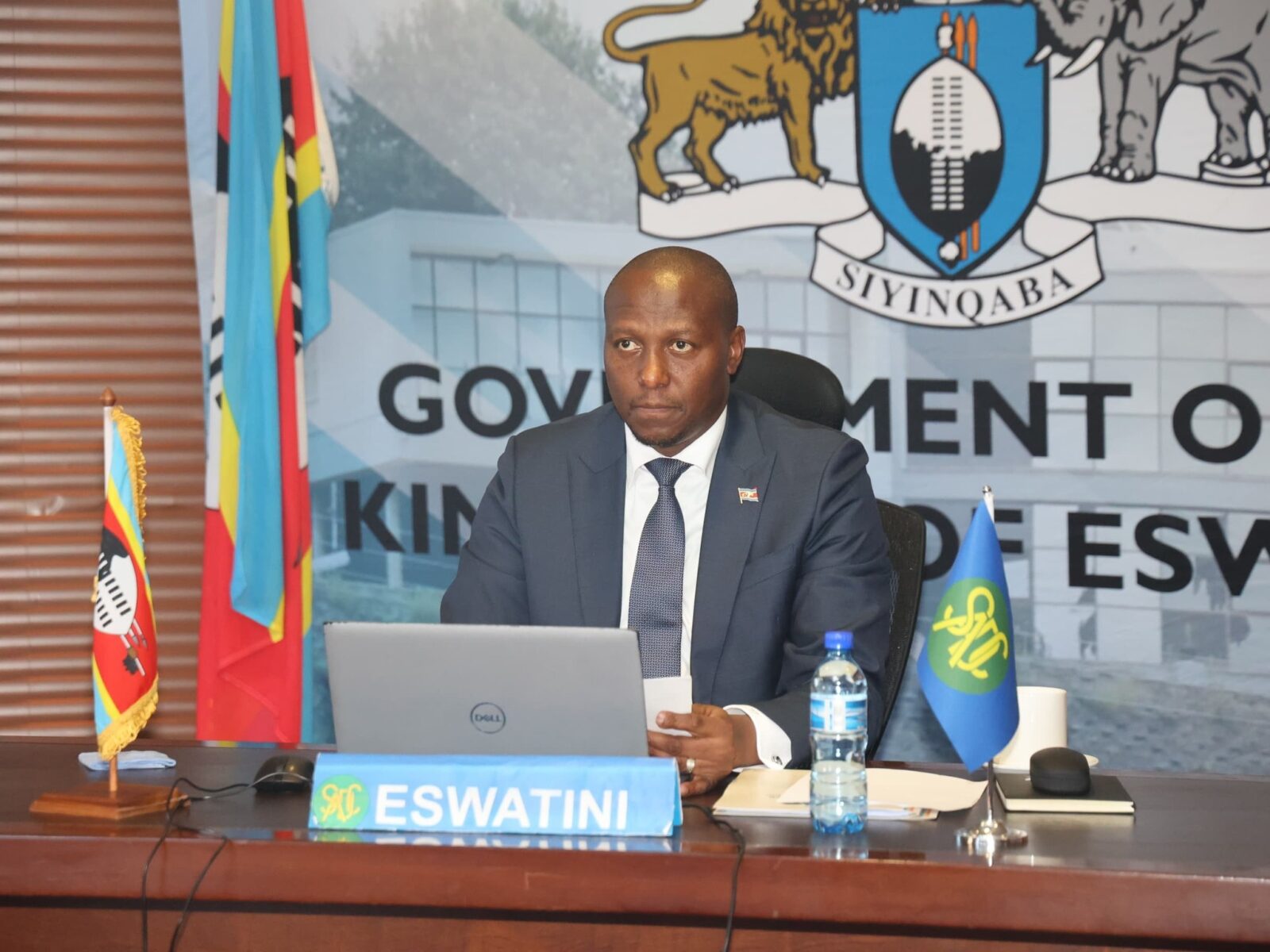
MBABANE – Prime Minister Russell Mmiso Dlamini has announced that the Editors Forum breakfast meetings between Cabinet and senior journalists will not return under his administration, citing what he described as unacceptable conduct during previous engagements.
The premier said government had not formally briefed the media on the matter but made his position clear during a recent interview.
“There will never be another Editors Forum breakfast meeting because of the way people behaved,” he said.
The Editors Forum served as a platform for direct engagement between government leadership and editors from various media houses. However, the initiative became controversial in 2024 following a heated exchange between Dlamini and Bheki Makhubu, editor of The Nation Magazine.
During one of the sessions, Makhubu openly challenged the prime minister over his leadership style and asked, “Who the hell do you think you are,” a remark that triggered widespread public debate and criticism from different quarters.
Dlamini also used the interview to outline his leadership approach, saying it combines situational decision making with what government terms a disruptive leadership framework contained in its policy and programme of action.
“I use situational leadership because every situation calls for a different approach, but our policy clearly states that we are following a disruptive leadership model,” he said.
He explained that disruptive leadership involves confronting long standing systems and practices that may be widely accepted but are failing to produce results. According to him, the model is intended to challenge inefficiencies and introduce reforms aimed at accelerating national development.
The prime minister said such an approach is likely to face resistance from those who are comfortable with established processes. He added that Eswatini is studying countries that have transformed their economies in a short period and is seeking to adapt workable strategies to the local context to achieve faster and sustainable progress.

![Police officials gather outside The Israeli Consulate in Istanbul following a shootout between gunmen and police [AFP]](https://theafricandaily.com/wp-content/uploads/2026/04/Screenshot-2026-04-07-141636-150x150.jpg)




Leave a comment