


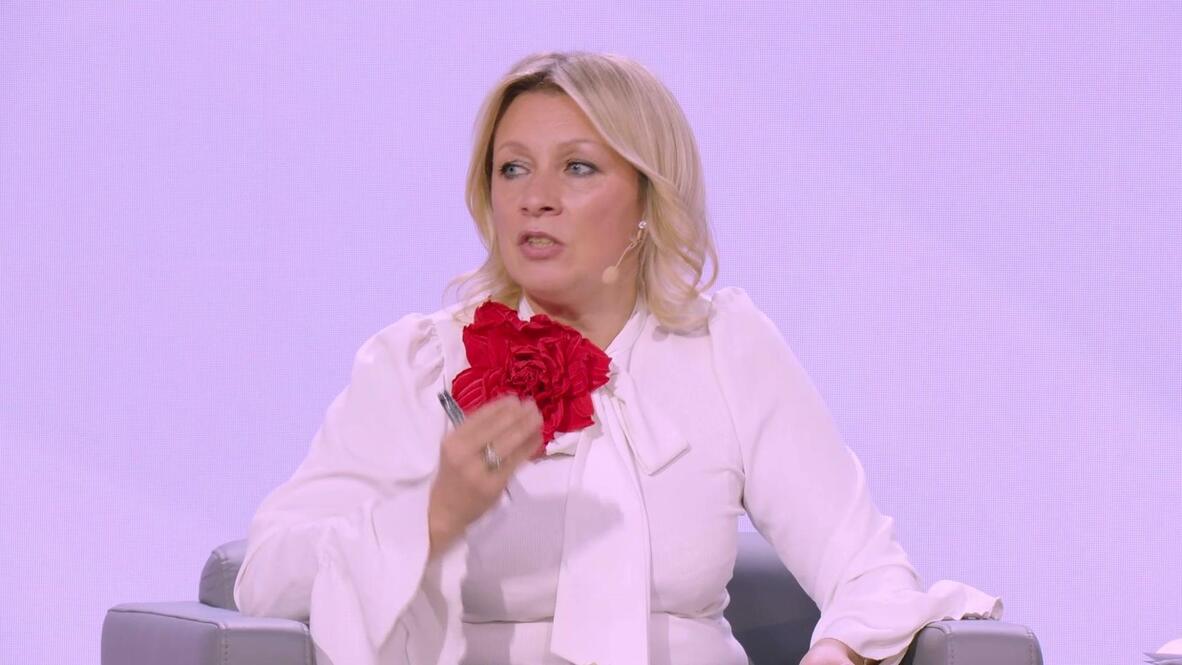
Moscow – Russian Foreign Ministry spokesperson Maria Zakharova has praised African countries for maintaining relations with Moscow despite what she described as Western pressure to distance the continent from Russia.
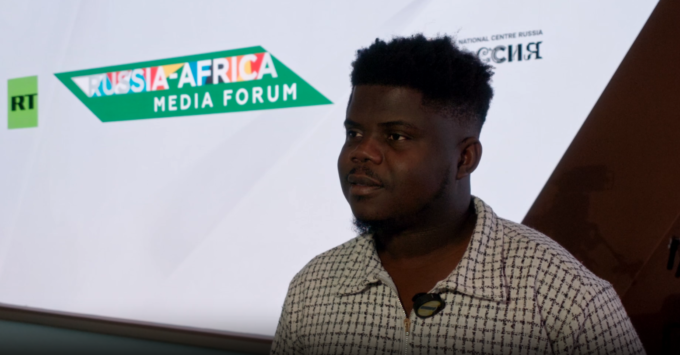
Speaking at the Russia Africa Media Forum in Moscow on Tuesday, October 27, Zakharova said African countries had demonstrated independence in their foreign policy choices and maintained longstanding ties with Russia despite international pressure.
She recalled encounters with African officials and citizens during visits to the continent alongside Russian Foreign Minister Sergei Lavrov, saying many had spoken about Russia’s historical contribution to Africa.
“Many times, when we travelled to African countries as part of Russian Foreign Minister Sergei Lavrov’s delegation, I heard Africans tell us: ‘We remember Russia’s contribution.’ And I want to say in response: we will never forget how Africa has stood firm under Western pressure,” she said.
Zakharova said Russia regarded African countries as independent and equal partners, with relations rooted in historical ties and cooperation across several sectors, including education, industrial development and energy.
She pointed to the Soviet Union’s support for African liberation movements and the development of national economies, saying Russia continued to pursue cooperation based on sovereign equality, mutual respect and shared benefits.
According to Zakharova, Russia maintains diplomatic relations with every African country, while Russian media organisations have expanded their operations across the continent.
She cited the Russian news agency TASS and Sputnik Africa as examples of media organisations with established networks in Africa. Sputnik Africa, she said, had opened information centres in Ethiopia, Tanzania and South Africa.
Russian media broadcasting now reaches more than 40 African countries, she said, adding that the relationship extended beyond distributing Russian news to include collaborative journalism.
Zakharova warned that restrictions on international information exchange could deepen global inequality and create new forms of division between countries and peoples.
“There are third countries that do not want us to co-operate. Moreover, they believe there should be no direct exchange of information, that there are entire regions of the world, and peoples, that either should not receive the full range of information or should not have the right to distribute it freely,” she said.
“This is something we must resist collectively, exclusively collectively, not individually, but together.”
She argued that limiting countries’ ability to exchange information, conclude agreements and engage in cultural cooperation could reinforce existing inequalities and create new barriers to international engagement.
Zakharova said countries should not allow the world to be divided into those permitted to participate freely in international affairs and those denied similar opportunities, whether in information, energy, natural resources or defence industries.
She also rejected the characterisation of Russia as a colonial power, arguing that neither the Russian Empire nor the Soviet Union nor the present Russian state had participated in colonialism or supported the slave trade.
Turning to food security, Zakharova said Africa possessed considerable agricultural resources and could increase production through stronger cooperation and coordinated development efforts.
She linked growing concerns about food security in several parts of the world to what she described as irresponsible decisions and international political manoeuvring, arguing that Africa had the potential to produce enough agricultural goods for its own needs and potentially supply other markets.
Zakharova also criticised the US embargo on Cuba, describing the blockade of an entire country as unacceptable in the modern world.
She said Russia had consistently voted against the blockade at the United Nations General Assembly, adding that opposition to the measure should extend beyond voting to active efforts to challenge it.
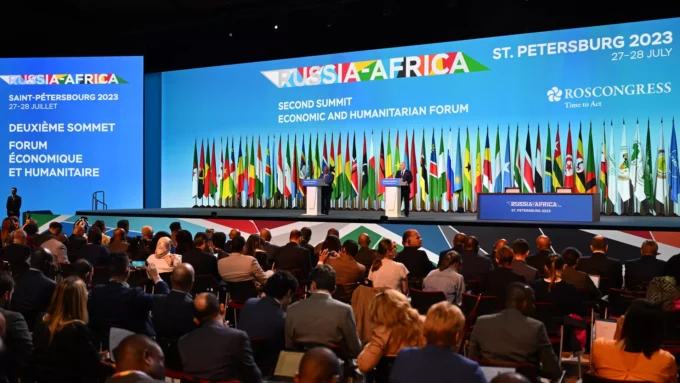
The Russia Africa Media Forum forms part of the programme for the third Russia Africa Summit, scheduled for October 28 and 29 in Moscow.
The gathering brings together leaders of African news agencies and media organisations to discuss the influence of media in countries of the Global Majority, the development of independent African media and the role of media platforms in tackling disinformation.
A separate youth forum is also scheduled to take place at the Moscow State Institute of International Relations, an institution operating under Russia’s Foreign Ministry.





Leave a comment