


VIENNA, Austria: Eswatini is strengthening its cooperation with the International Atomic Energy Agency (IAEA) as the Kingdom explores how nuclear science and technology can support healthcare, food security, water management, energy security and sustainable development.
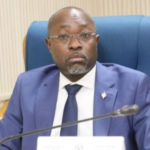
His Royal Highness Prince Lonkhokhela, Minister of Natural Resources and Energy, made the commitment while delivering Eswatini’s Country Statement during the 70th Regular Session of the IAEA General Conference in Vienna.
The minister conveyed greetings from His Majesty King Mswati III and the people of Eswatini and expressed appreciation for the IAEA’s continued assistance in healthcare, agriculture, water resource management, nuclear safety and sustainable energy development.
Water security remains a priority
Water security featured prominently in Eswatini’s development priorities, with the Kingdom continuing its participation in the IAEA’s Water Availability Enhancement Initiative, known as IWAVE.
The country is also working towards developing a National Hydrological Gap Plan to strengthen its ability to understand and manage available water resources.
Through specialised equipment, technical training, scientific visits and expertise in isotope hydrology, the IAEA is supporting Eswatini in assessing and managing water resources, including resources shared with neighbouring countries.
The cooperation is expected to improve knowledge of the country’s water systems and provide scientific information that can support long term planning and water management.

Nuclear science supports agriculture
Eswatini is also applying nuclear techniques to improve agricultural productivity and strengthen food security.
The country has developed early maturing and high yielding cowpea mutant lines using nuclear techniques. The varieties could help improve agricultural output and resilience, particularly as farmers face growing climate related challenges.
Eswatini has also expressed interest in joining the IAEA FAO Atoms4Food Initiative, which promotes the use of nuclear and related technologies to support food security and climate smart agriculture.
Radiotherapy facility planned
Healthcare remains another major area of cooperation between Eswatini and the IAEA, particularly in the treatment of cancer.
With technical assistance from the agency, Eswatini has completed preliminary designs as well as environmental, social and geotechnical assessments for the country’s first public radiotherapy facility at Manzini Government Hospital.
The proposed facility is expected to cost approximately €10 million for construction and equipment.
Prince Lonkhokhela called for continued IAEA assistance through specialist fellowships and multidisciplinary training to help Eswatini develop the skilled workforce required to operate and maintain the facility once it is completed.
Eswatini strengthens nuclear regulation
The Kingdom is also developing its regulatory capacity for the safe and responsible use of nuclear and radiation technologies.
The minister noted the establishment of an independent Nuclear Radiation Safety Regulatory Authority in line with IAEA standards.
The government is continuing to strengthen the policies and legislation governing nuclear and radiation safety while allocating domestic resources towards establishing and operating the new regulatory institution.
Kingdom explores nuclear energy
Eswatini is examining the potential use of Small Modular Reactor technology as part of broader efforts to improve national energy security.
Prince Lonkhokhela said any consideration of nuclear energy would remain guided by Eswatini’s commitments to nuclear non proliferation, safety, security and international safeguards.
The Kingdom also welcomed its inclusion in the IAEA’s RAF 2016 Project, through which the agency supports African countries seeking to develop the capabilities and infrastructure that could be required for future nuclear power programmes.
IAEA pledges continued support
Following his Country Statement, Prince Lonkhokhela held a bilateral meeting with the IAEA Director General at his office in Vienna.
The discussions provided an opportunity for both sides to examine ways of expanding cooperation and advancing Eswatini’s priorities in nuclear science and technology.
The areas discussed included healthcare, nuclear safety, agriculture, water resources and sustainable energy.
The IAEA Director General said the organisation was ready to assist Eswatini with the establishment of its nuclear regulatory body and the training of officers responsible for nuclear and radiation safety standards.
The IAEA also confirmed that it would continue supporting the development of Eswatini’s planned radiotherapy facility and other peaceful applications of nuclear science and technology.
Eswatini to host SADC energy week
Eswatini will host the SADC Sustainable Energy Week from 15 to 19 March 2027, Prince Lonkhokhela announced during the conference.
He invited the IAEA Director General and his team to participate through exhibitions, technical engagements and speaking opportunities.
The regional event is expected to provide a platform for dialogue and cooperation on sustainable energy solutions, including innovative technologies that could help address the energy needs of Southern Africa.




Leave a comment