


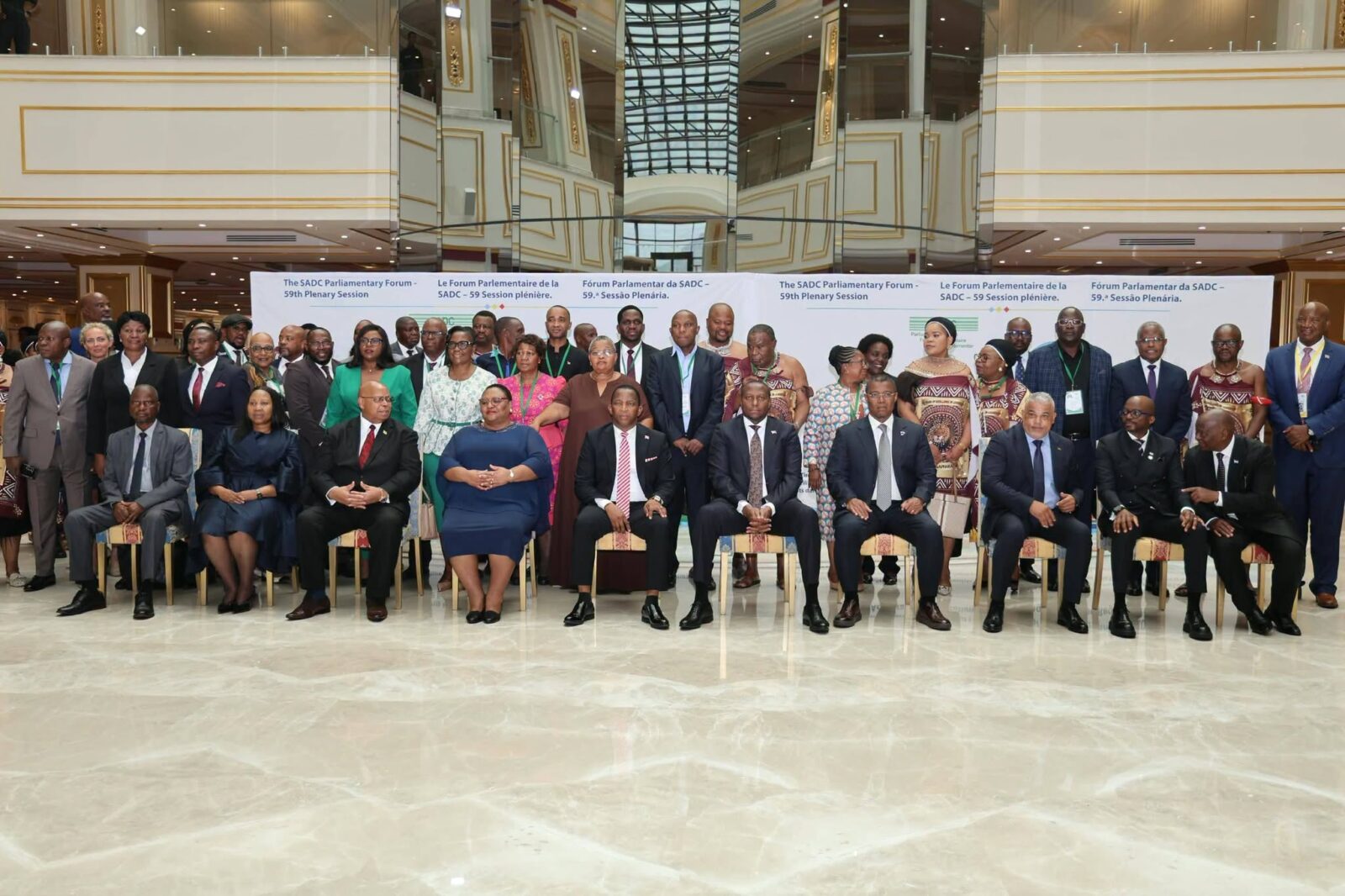
Ezulwini – Eswatini Prime Minister Russell Mmiso Dlamini has called on Southern African Development Community (SADC) member states to strengthen regional cooperation, improve legislation and mobilise collective action to accelerate the elimination of child marriage across Southern Africa.
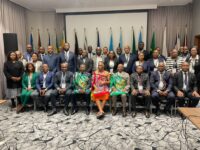
Dlamini made the call while officially opening the 59th Plenary Assembly of the SADC Parliamentary Forum (SADC-PF), where he challenged regional governments and parliamentarians to translate their commitments into practical measures that protect children from early and forced marriages.
Addressing delegates in Ezulwini, the Prime Minister identified political leadership, progressive cultural practices and credible data as essential elements in tackling child marriage and protecting the rights and dignity of children.
He also acknowledged the role played by King Mswati III in supporting regional efforts to address the practice and strengthen parliamentary cooperation.
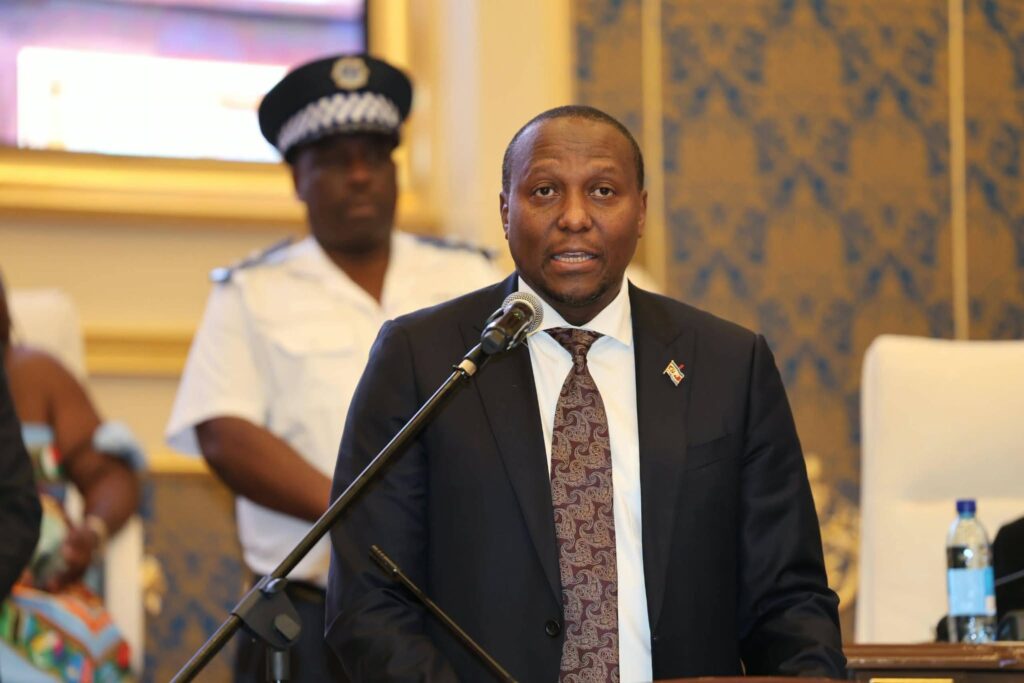
“His Majesty King Mswati III has consistently supported this cause, recognising the contribution that a regional parliamentary institution can make to cooperation, accountable governance and the aspirations of our peoples.”
Dlamini described child marriage as a violation of children’s fundamental rights, warning that its consequences extend beyond individual victims to affect families, communities and national development.
“Child marriage violates the dignity and rights of children and compromises their health, education and prospects. Its consequences extend beyond the individual child, weakening families, perpetuating poverty and diminishing national development.”
The Prime Minister identified poverty as one of the principal factors driving child marriage, arguing that efforts to eliminate the practice must also address the economic and social conditions that leave children vulnerable.
He called for stronger social protection programmes, improved access to quality education, expanded livelihood opportunities and targeted assistance for families facing economic difficulties.
According to Dlamini, addressing child marriage requires more than introducing new laws, with governments also expected to ensure that existing legal protections are properly implemented.
“Our responsibility is twofold: to remedy deficiencies in the law and to give full effect to the protections already established. Legislation must be supported by capable institutions, accessible reporting mechanisms, timely investigation and effective remedies.”
He further challenged political leaders to ensure that commitments made at regional and national levels are backed by adequate funding, institutional capacity and consistent parliamentary supervision.
“Political leadership must translate commitment into delivery. The authority entrusted to us carries a corresponding duty to act. Legislative reform must be accompanied by adequate appropriations, functioning institutions and sustained parliamentary oversight.”
On the importance of evidence-based interventions, Dlamini cited findings from Eswatini’s 2021 to 2022 survey, which recorded that 1.9 per cent of women aged between 20 and 24 had been married before reaching the age of 18.
“Reliable data must inform action and strengthen accountability. Our 2021–2022 survey recorded that 1.9 per cent of women aged 20 to 24 had married before the age of 18. Each child represented in that figure matters. No level of prevalence should diminish our resolve to prevent further harm.”
The Prime Minister also welcomed the planned introduction of the SADC Parliamentary Forum Regional Child Marriage Monitoring Dashboard, describing it as an important instrument for tracking progress in tackling the practice across member states.
The proposed dashboard is expected to help parliamentarians identify gaps in child protection, assess developments in national legislation and policies, and strengthen oversight of government commitments throughout the region.
Dlamini also called for greater participation of children in discussions and decisions affecting their welfare, urging delegates attending the assembly to ensure that young people have opportunities to express their concerns and contribute to policies designed to protect them.
He challenged parliamentary delegations to conclude their deliberations in Ezulwini with clearly defined commitments and responsibilities that would advance child protection across the SADC region.














Leave a comment