


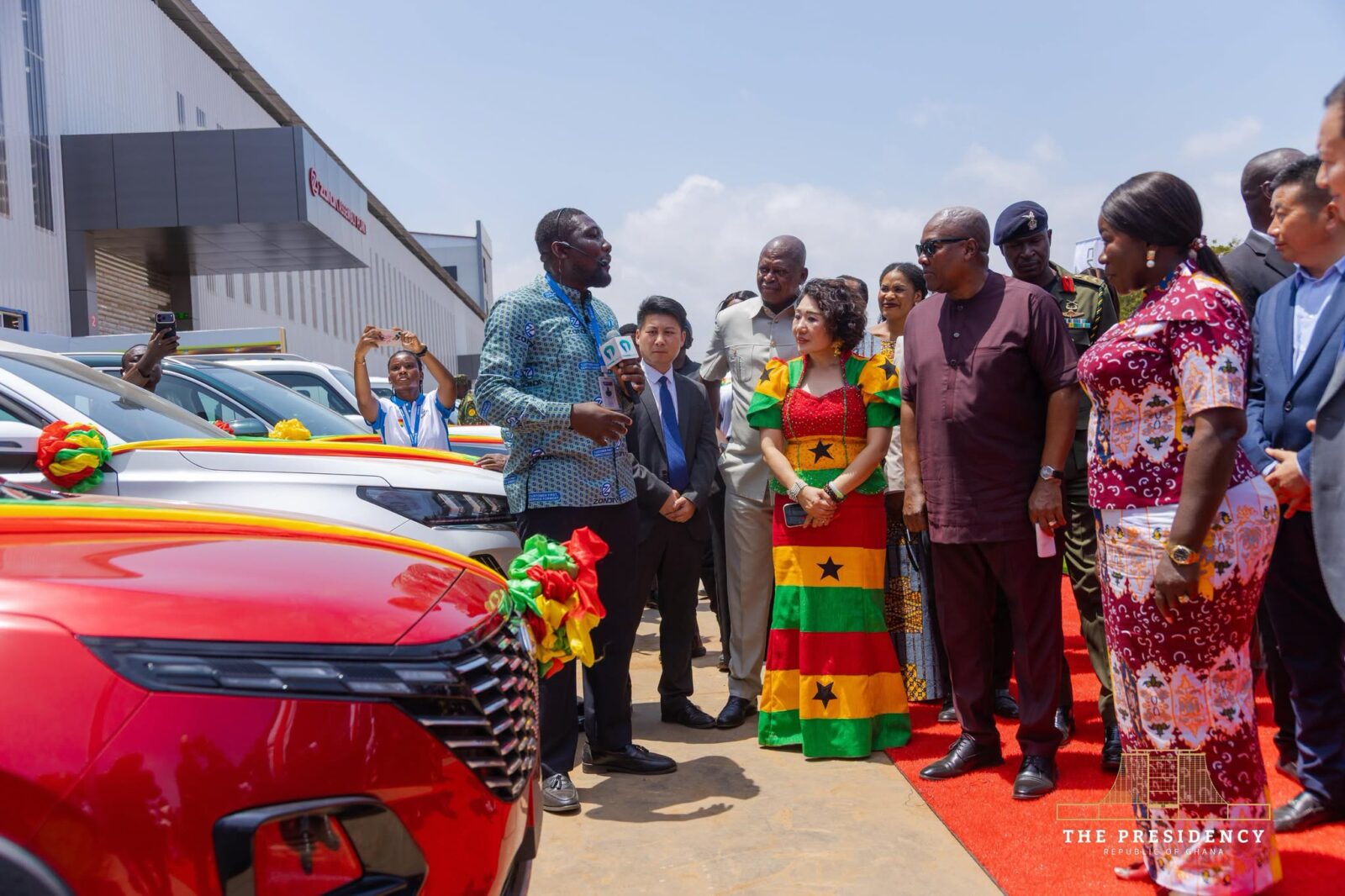
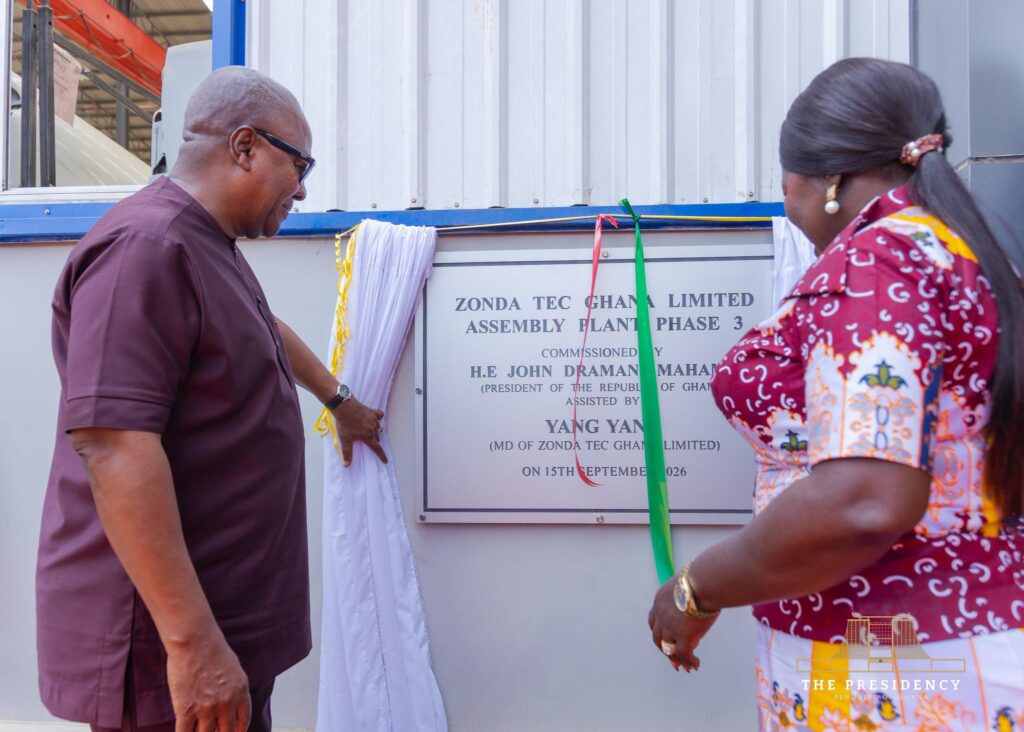
TEMA, Ghana — President John Dramani Mahama has commissioned the expanded Zonda Tec Ghana vehicle assembly facility in Tema, as Ghana steps up efforts to develop its domestic automotive industry and increase local manufacturing.
The Phase III expansion, which has a reported annual production capacity of 12,000 vehicles, forms part of Ghana’s broader drive to make manufacturing a major contributor to economic transformation.
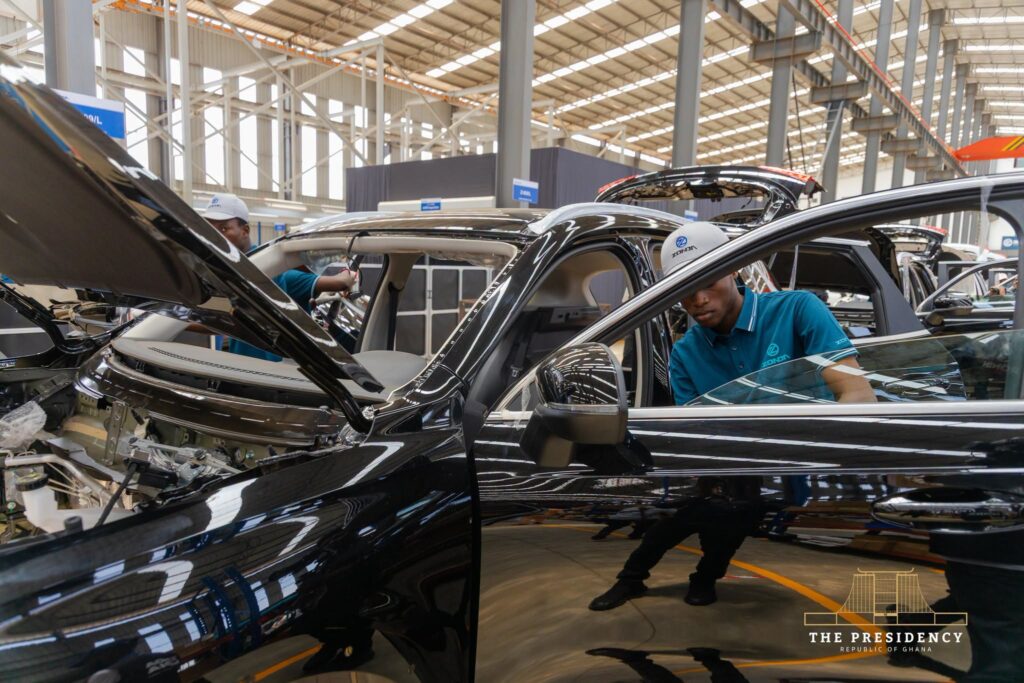
Speaking at the commissioning, Mahama said Ghana needed to move beyond assembling vehicles using imported components and develop a more integrated automotive industry in which local companies participate across the production chain.
He called for greater investment in the domestic manufacture of vehicle components and services, including batteries, tyres, wiring systems, seats, glass, plastics and metal components.
According to the President, expanding local production in these areas would create opportunities for Ghanaian businesses while generating employment across the automotive value chain.
Mahama also called for vehicle financing that is more accessible and offered over longer periods, saying this would help more Ghanaians, including public sector workers, purchase vehicles assembled in Ghana.
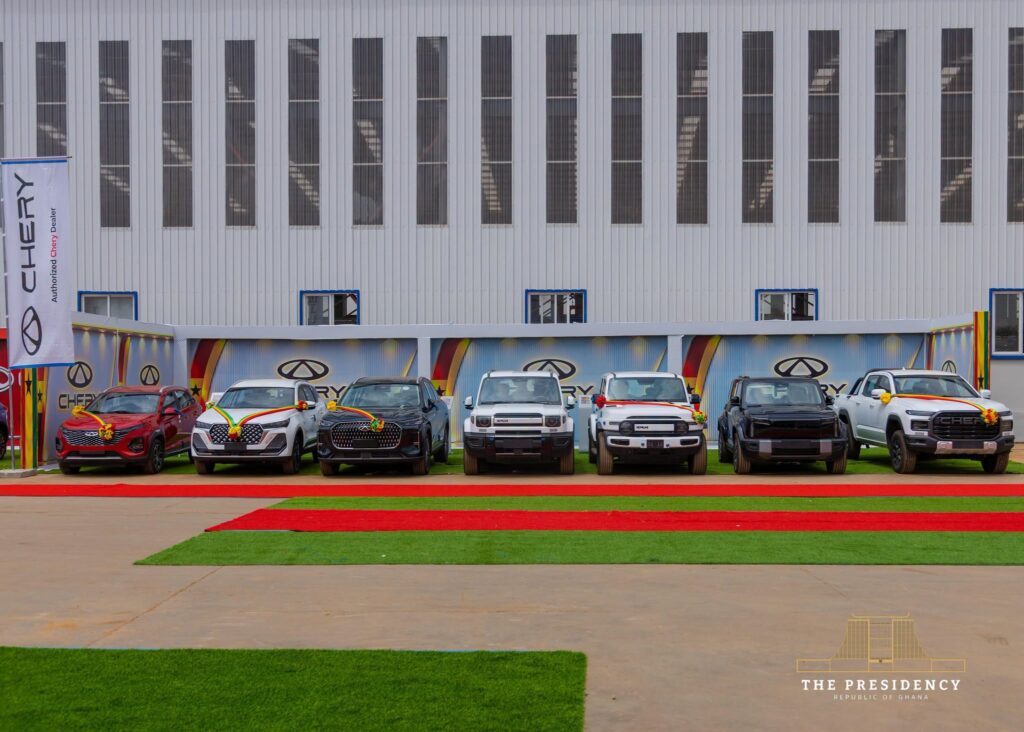
Greater access to financing, he said, could also help stimulate domestic demand for Made in Ghana vehicles and provide a stronger market for local manufacturers.
The President said Ghana’s natural resource base could play a significant role in developing a wider automotive ecosystem.
He pointed to the country’s mineral resources and renewable energy potential as opportunities to connect mining with battery manufacturing, vehicle production and, eventually, exports.
Such an approach would allow Ghana to capture more value from its natural resources rather than relying primarily on the export of raw materials.
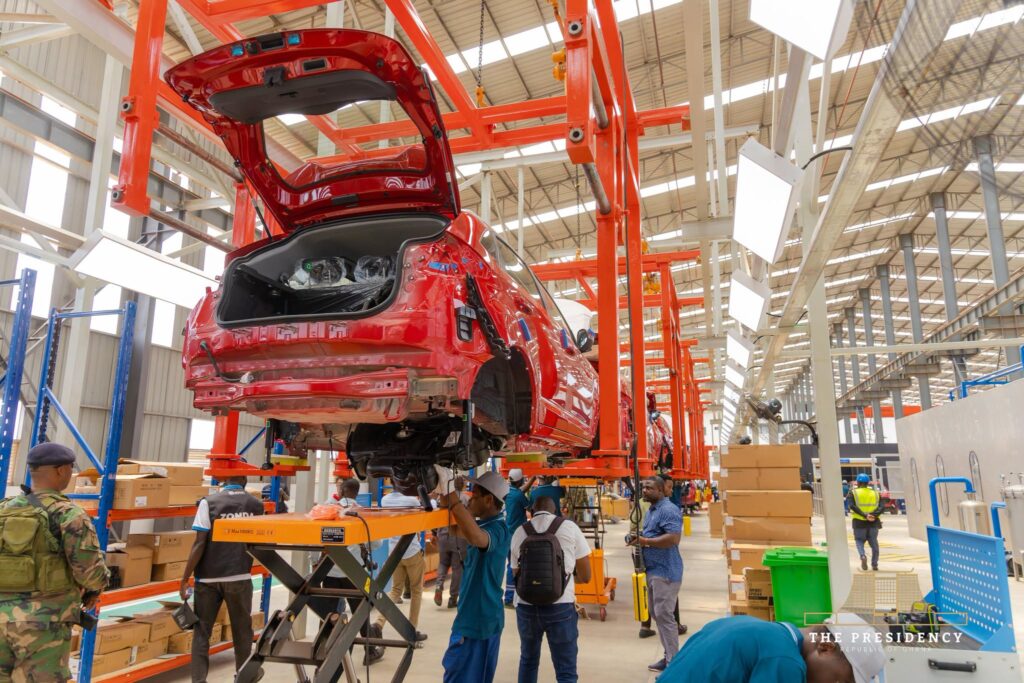
The expansion of the Zonda Tec facility comes as Ghana seeks to deepen industrialisation, increase local value addition and strengthen domestic manufacturing capacity.
The company’s reported annual capacity of 12,000 vehicles following the Phase III expansion adds to the country’s growing automotive manufacturing ambitions and could provide further opportunities for local suppliers and skilled workers.
Mahama’s remarks also placed local component manufacturing at the centre of Ghana’s automotive strategy, with the government seeking to encourage Ghanaian enterprises to participate more extensively in an industry traditionally dependent on imported parts.
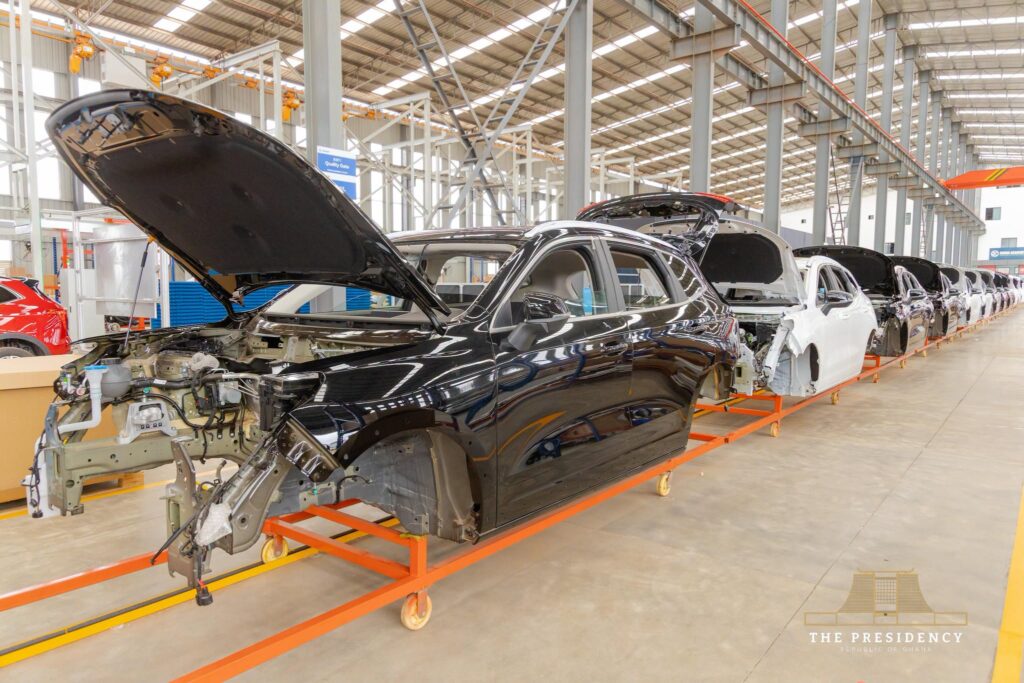
The development of batteries, tyres, electrical systems, vehicle interiors, glass, plastics and metal components could create additional industrial activity around vehicle assembly while expanding opportunities for small and medium sized businesses.
The President’s call for longer term vehicle financing is similarly aimed at addressing the demand side of the industry, linking increased local production with the purchasing power of Ghanaian consumers.
The government’s wider objective is to build an automotive ecosystem that links Ghana’s minerals and energy resources to manufacturing, creates jobs and supports the eventual export of vehicles and automotive products to other markets.















Leave a comment